
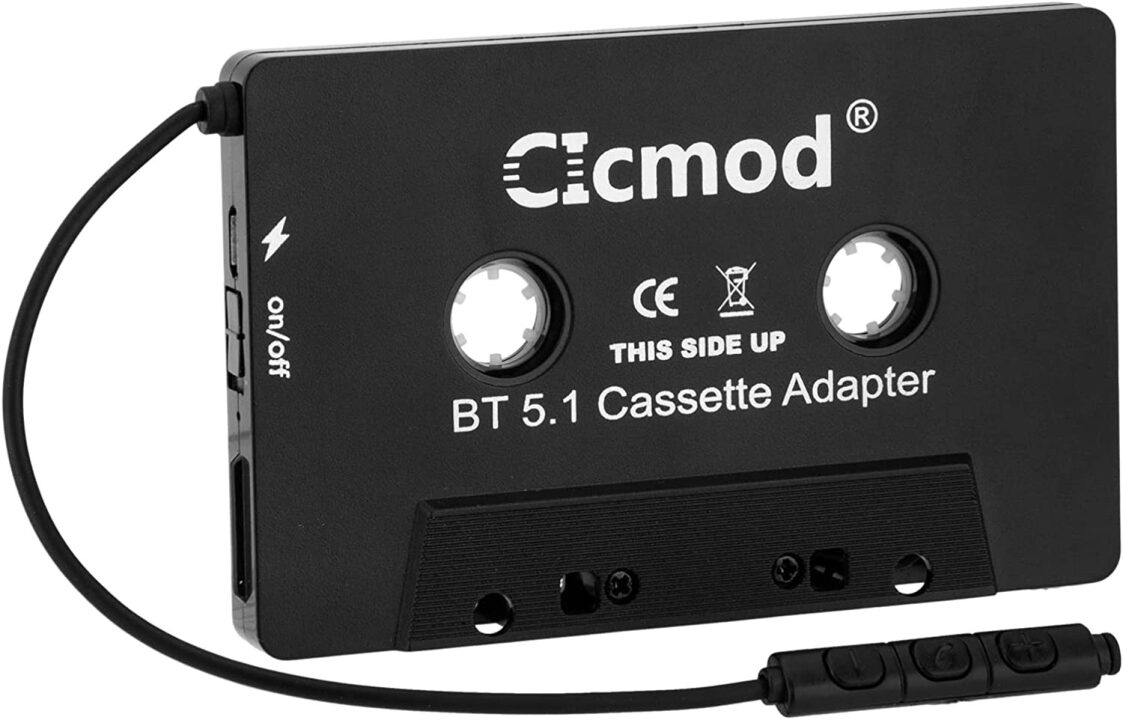
Many car stereos and home audio systems fell into disuse because they lacked an auxiliary input for connecting external devices. Fortunately, the market has responded with some interesting solutions, and one of them is the cassette adapter. A couple of years ago, we talked about its origin and how it works, but the story doesn't end there: these adapters also come in Bluetooth-compatible versions, and nothing stops us from building one ourselves…
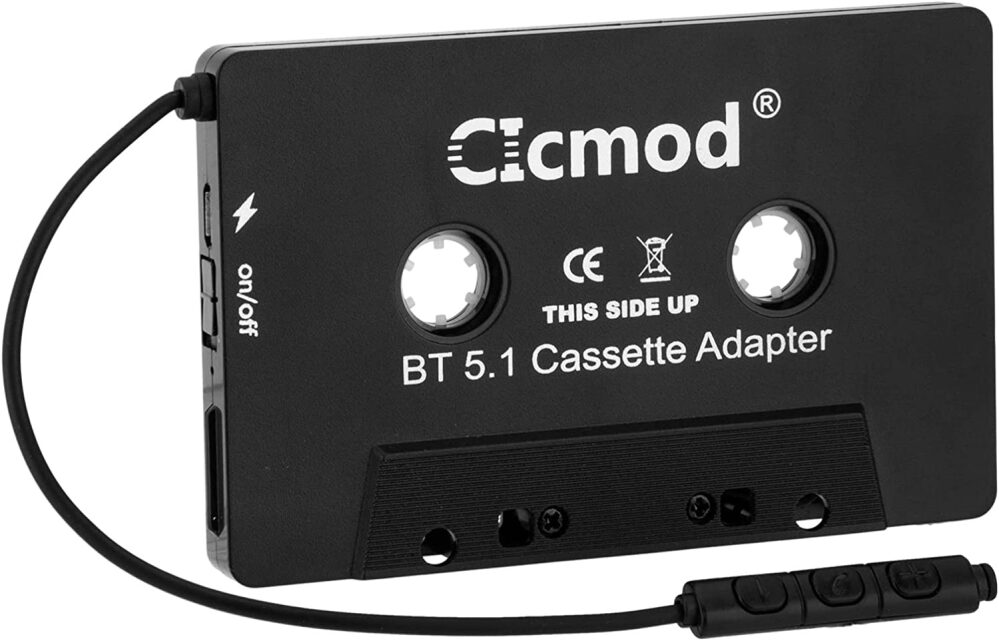
The cassette adapter was invented by Larry Schotz in 1986 for the Recoton Corporation. It became one of the best technological bridges available, allowing users to enjoy new formats without spending a fortune or making complex modifications.
Almost four decades later, the cassette adapter isn't just still with us; it has evolved to add Bluetooth support. This effectively eliminates the physical link between the playing device and the cassette, while expanding the list of compatible platforms that can send music to any old car stereo or audio system. But what's the trick?
How does a Bluetooth cassette adapter work?
The adapter simply incorporates a Bluetooth receiver miniaturized enough to fit inside the cassette, and the same goes for its lithium battery. The adapter can't draw power from the equipment, so it includes a mini or micro USB port for recharging. With an average capacity of 150 mAh, its battery life is far from brilliant, but replacing the cell once it's fully drained isn't complicated.
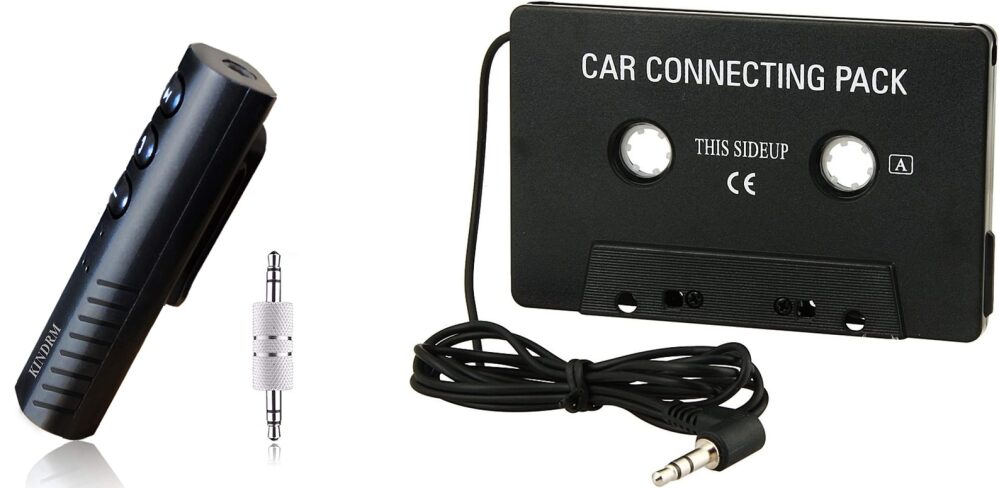
The price of ready-to-use adapters ranges from 15 to 20 euros, a number higher than I expected. If you already have a traditional cassette adapter, the equation becomes a bit more favorable with Bluetooth receivers starting at 4 euros (you connect the receiver's output to the adapter's input, and that's it). Of course, chinesium manufacturing forces you to roll the dice when it comes to quality, but the idea is not to spend a fortune (otherwise, anyone would buy new audio equipment or a Bluetooth speaker).


