
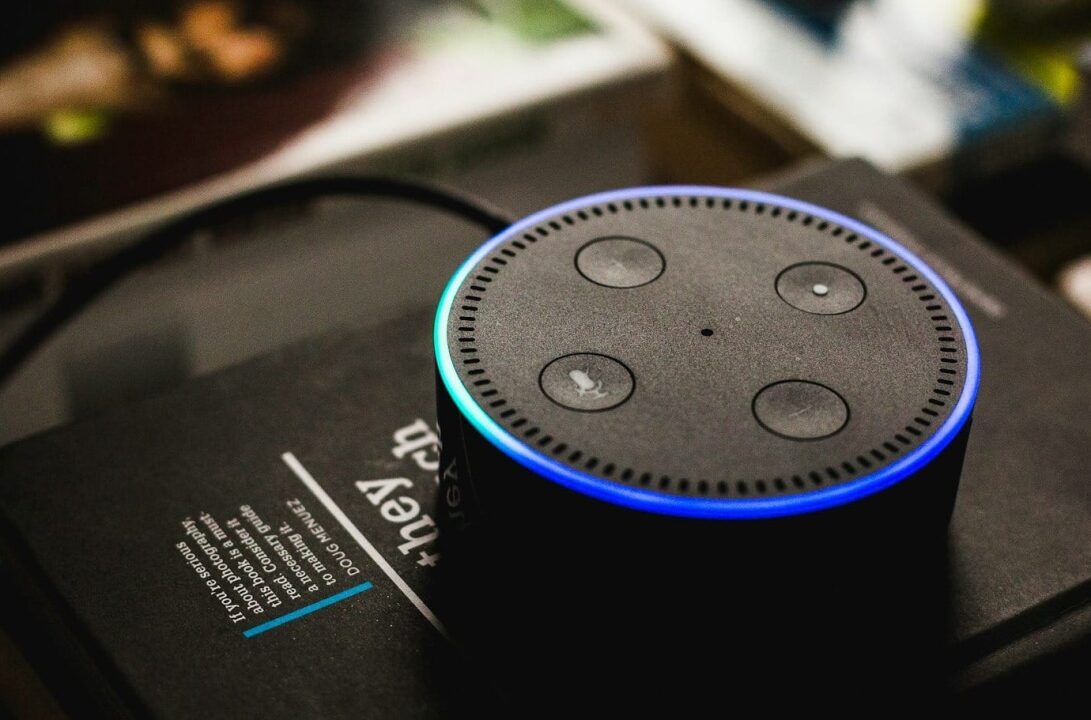
The story begins like this: Last February, Amazon confirmed the launch of a new version of Alexa (called Alexa+) for Prime users in the United States, and for those who pay $20 a month. What's the problem? According to the company, this requires the use of generative features, which can only be processed online. Therefore, Amazon decided that starting March 28, the local audio-to-text transformation for Alexa on Echo devices will no longer be available.
Philip K. Dick once asked if androids dream of electric sheep. These days, it seems more appropriate to ask if CEOs dream of real "Big Brothers." Judging by the massive data collection, it's not hard to imagine the answer is "yes," but if anyone needs additional proof, all they have to do is read Amazon's latest announcement aimed at its Echo users in the United States:
Amazon Wants Your Voice

Amazon's official message indicates that starting March 28, the "Do Not Send Voice Recordings" feature on Echo devices will no longer be supported. What does that mean exactly? Very simple: When the user activates that feature and says the configured wake word, a built-in algorithm transcribes the audio request to text. That text is encrypted and sent to Amazon's cloud. Once processing is complete, the original audio of the request is deleted. After the 28th, that kind of local transformation will no longer be possible.
Why? Amazon's argument is that Alexa's resources are being expanded with "generative artificial intelligence features" that depend on the firepower available in its cloud. At the same time, those who do not disable local processing will lose access to Voice ID, a feature for personalizing actions (calendar events, music preferences, etc.). As expected, public opinion on the Web is very different: Amazon wants the voices of all Alexa users to train Alexa+.
The announcement seems focused on American users, but I imagine the company won't take long to expand its new "policy" to the rest of the world. In short, Amazon changed the deal; let's pray it doesn't change it further.
Source: Ars Technica


