
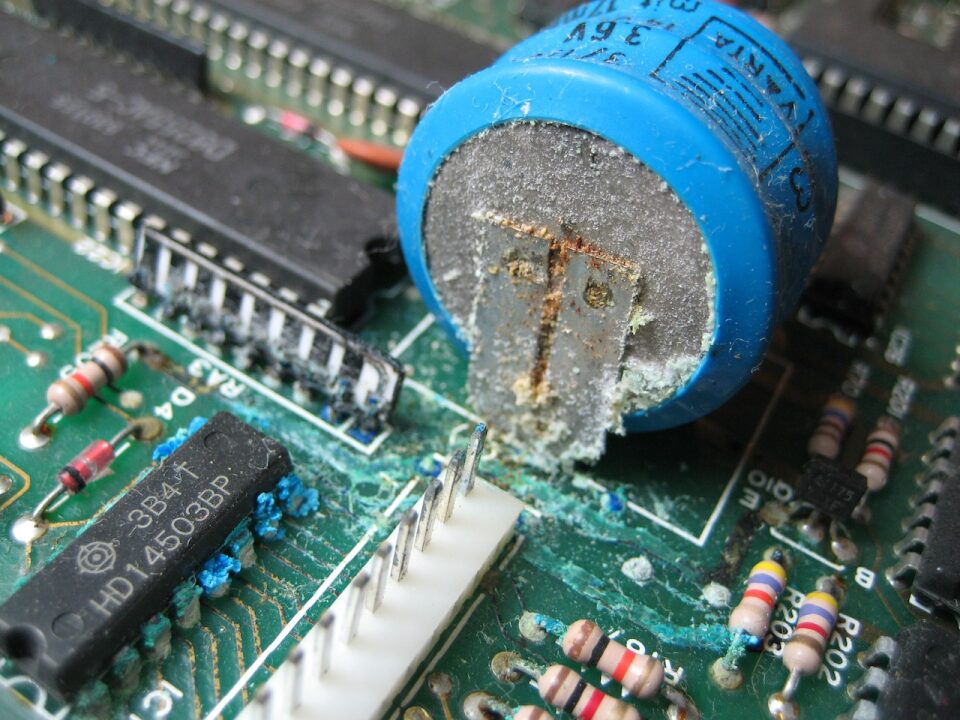
We have another short week ahead… which means extra time for some of those projects you put on hold. For example, restoring that 386/486 computer still gathering dust in a corner. With a bit of luck, it won't require much work, but if there's one thing that definitely needs to go from those machines, it's the barrel-shaped CMOS battery. In essence, they are corrosion bombs that can devour motherboards without difficulty, but as Ruben Schade explains, it's very simple to build a safer and more robust replacement.
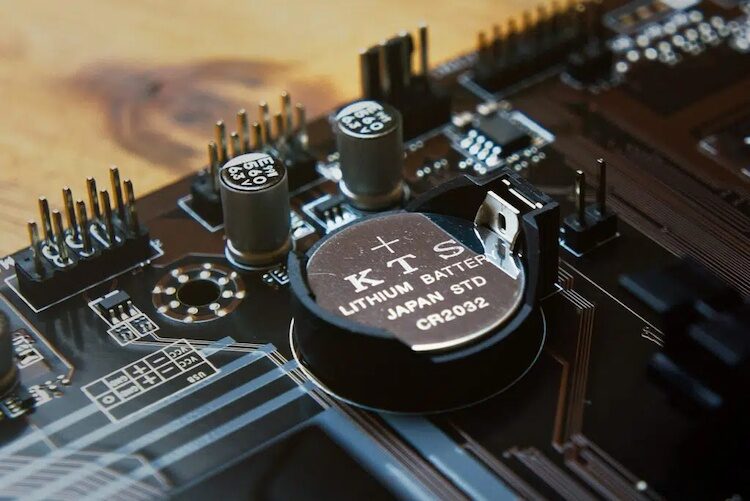
The vast majority of computers (and other systems) need an internal battery to preserve basic information like the date and time, or specific hardware values. The absence or wear of that battery makes it return to its default parameters, but everything is solved with the installation of a new CR2032 cell or similar.
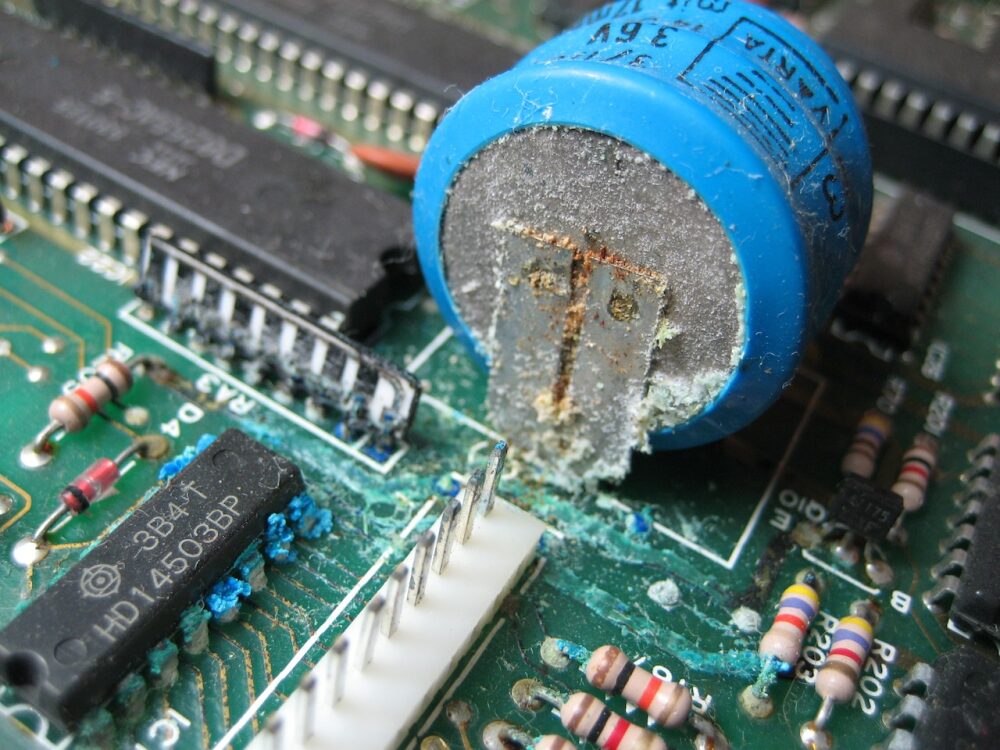
However, there was an era when removable cells were not used, but rather the battery was integrated into the PCB, either in the form of Dallas DS1287 modules (and equivalents), or in Varta "barrels". That second format is what causes terror among retrocomputing enthusiasts, since it usually spreads its corrosive guts over the PCB, causing immense damage. As if that weren't enough, there are reports of computers that refuse to start without a charged battery, but if we can't go back to those Varta batteries, what's the alternative?
Replacing CMOS Batteries in Retro Computers
Ruben Schade's 486 came with... that thing. Fortunately, he contained its destruction in time. Rubbing alcohol is a great ally to neutralize the electrolyte.
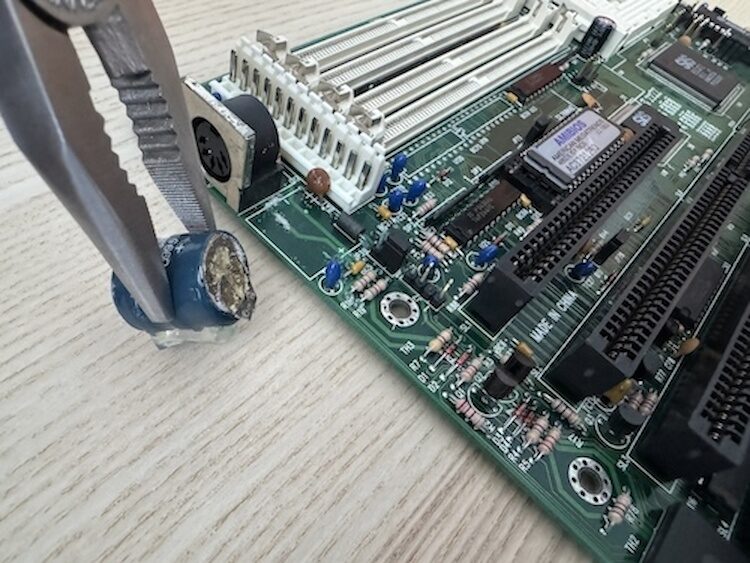
Ruben Schade reminds us on his official blog that there are several paths. The first is to buy a CR2032 holder and install it with a diode to prevent charging. Another possibility is to use the Vertical Barrel Battery Blaster from Scrap Computing, with a PCB that is quite easy to reproduce. However, the path of least resistance is to adopt a holder for three AA or AAA batteries in series, achieving an adequate voltage.
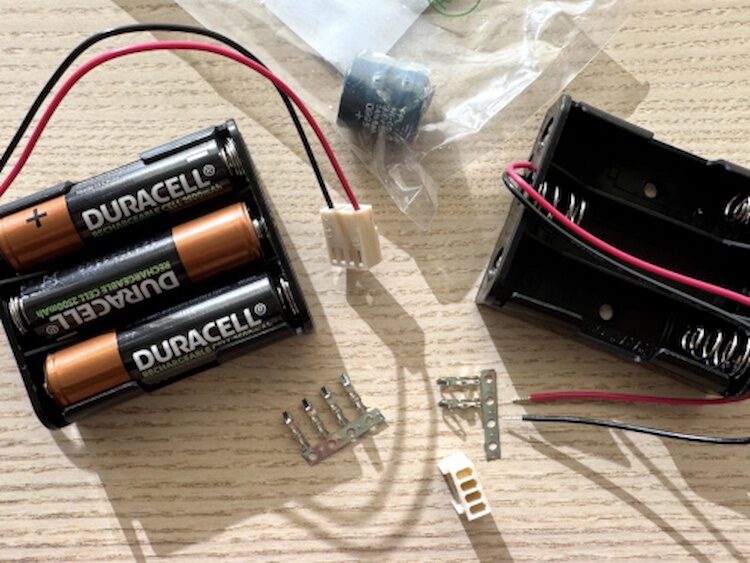
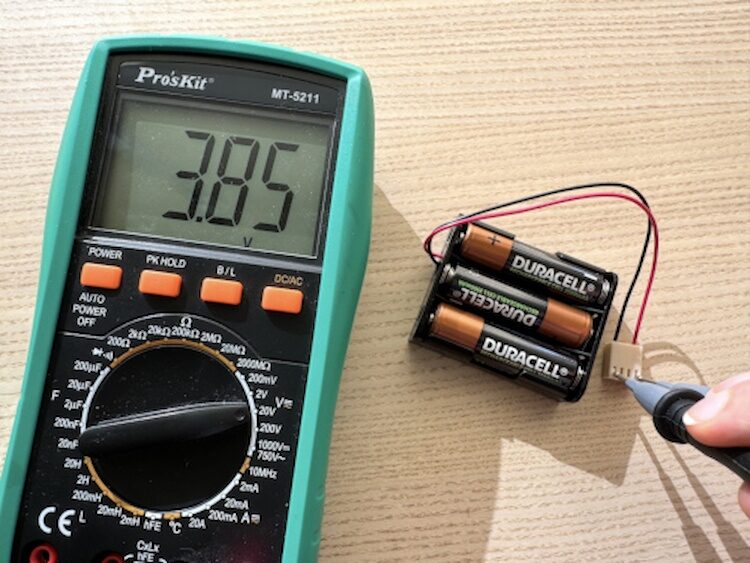
In fact, Ruben mentions that using rechargeable cells, no additional modification is needed on the motherboard, and some models already include pins to install external batteries. Rechargeable cells operate at lower voltage: three in series should average 3.7-3.8 volts, enough for this application. Another benefit is that the external battery can be placed away from the board, or why not, place it outside the case, at the back.
Source: Ruben Schade


