
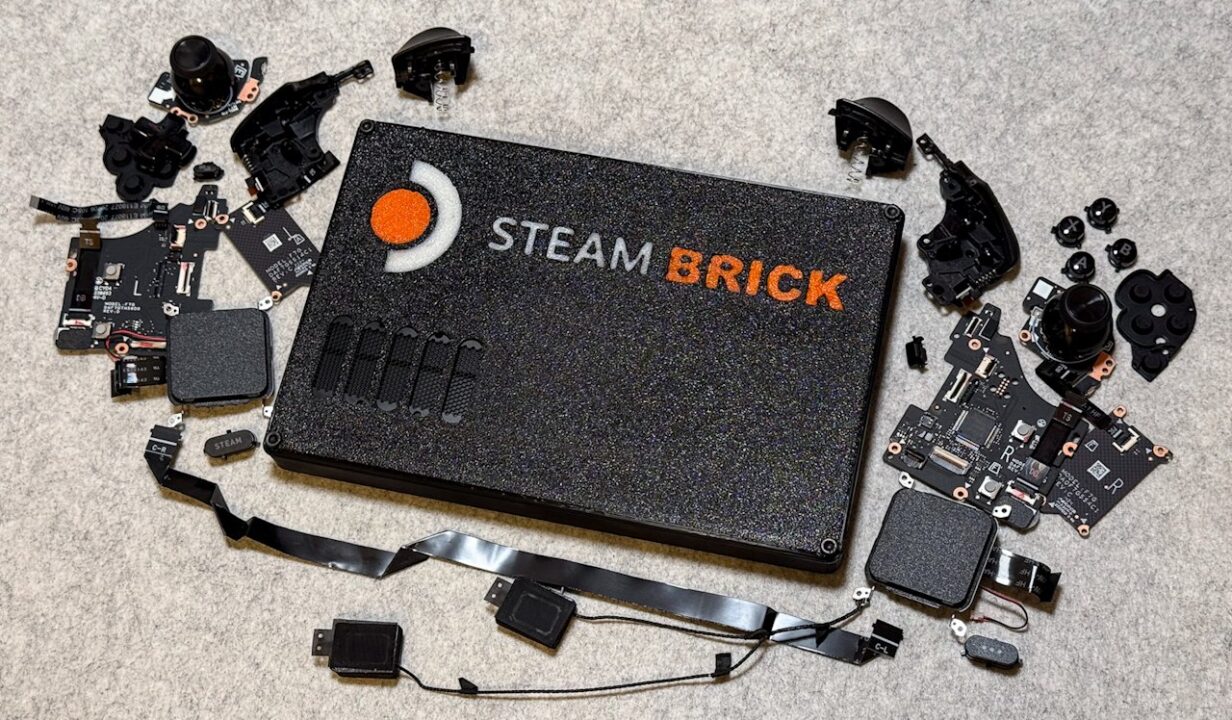
The popularity of the Steam Deck is undeniable at this point. In fact, many users are waiting for its hardware refresh to acquire the console, although Valve has denied every rumor about it. However, the Steam Deck is not perfect, and it doesn’t necessarily adapt to all cases. The GitHub user "crastinator-pro" has a specific problem with it: It’s too big. What did he do to reduce its size? He turned it into a "Steam Brick", removing the screen and controls. A power button, a USB port… and nothing else.
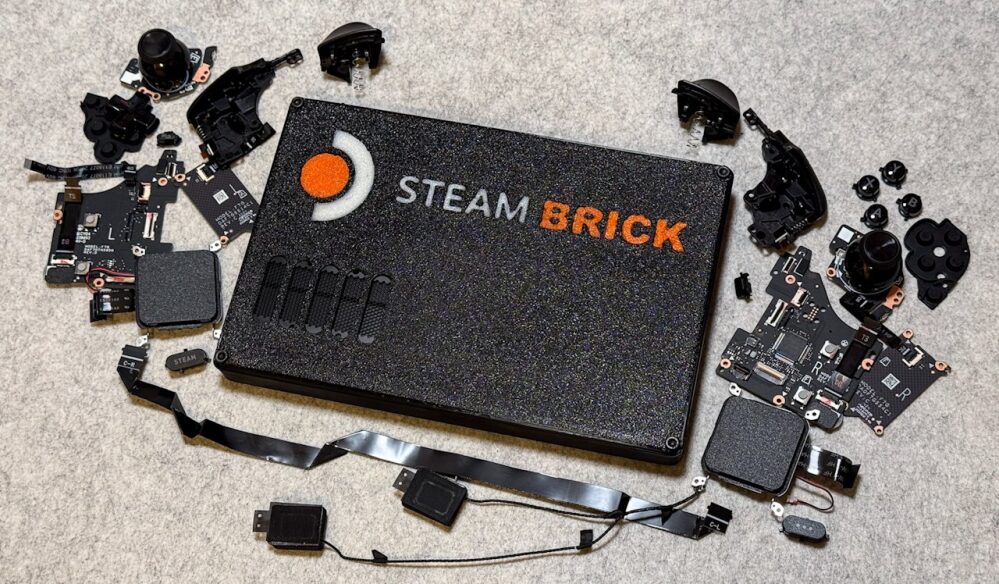
The Steam Deck weighs 669 grams in its original model, and 640 grams in its OLED version. While we can’t say it’s been a revolution for portable gaming, the combination of hardware, custom software, and overall format definitely clicked in the minds of millions of players. The console will be three years old in February, and its success has given rise to a wide number of competitors. If we add the imminent arrival of SteamOS to other platforms to that, the enthusiasm for its future is enormous.
But the Steam Deck has another point in its favor: It’s quite mod-friendly. We’ve seen alternative shells, battery packs, and ultrathin keyboard prototypes, however, the GitHub user "crastinator-pro" had a much more extreme vision: Remove the screen and controls to optimize its portability. From Steam Deck to Steam Brick.
Steam Brick: An Ultra-Portable Steam Deck
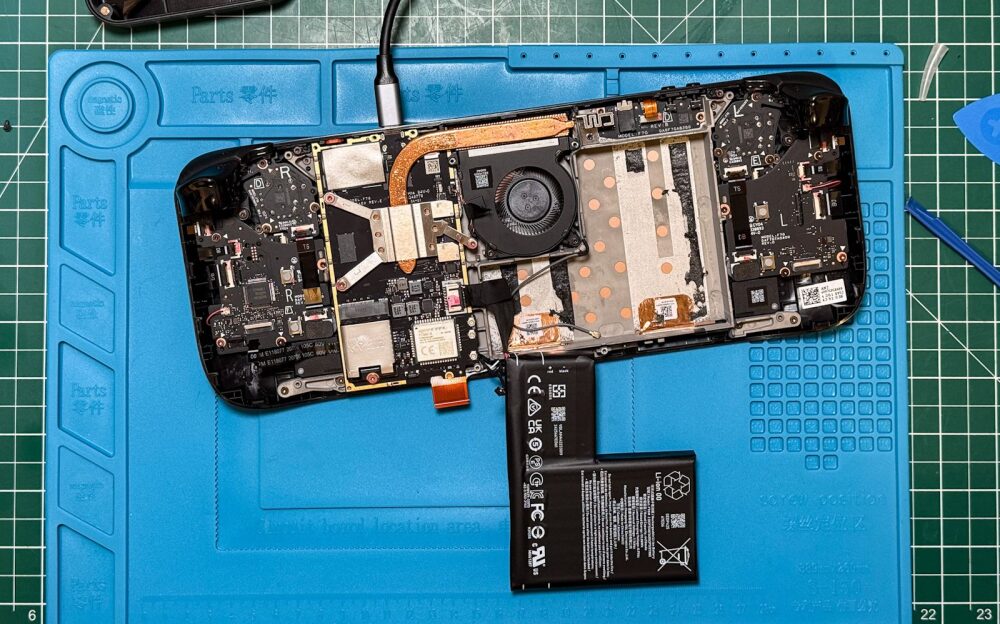
This mod just responds to the needs of "crastinator-pro": He travels a lot, the console doesn’t fit in his bag, it takes up too much "carry-on" volume, and it’s inconvenient to take it out from the overhead space every time he wants to use it. Also, in his sessions he uses augmented reality glasses (XREAL Air 2 Pro, to be precise), or connects it directly to a TV. Disassembling the Steam Deck is not complicated (there are several guides online), but the most positive aspect is that the console starts without problems when disconnecting the controls and the screen. The USB port becomes a video output, and it accepts additional external peripherals with the help of a dock.
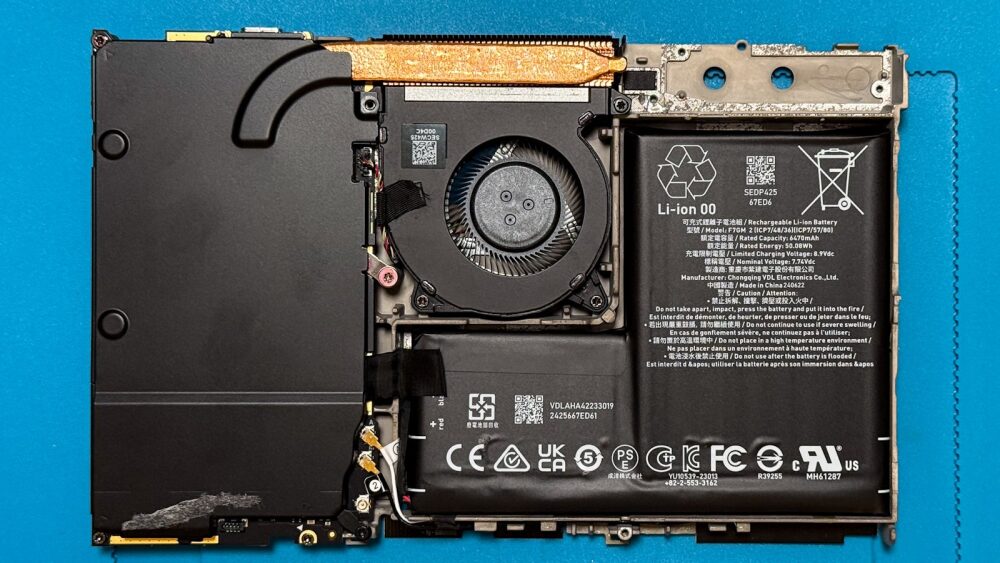
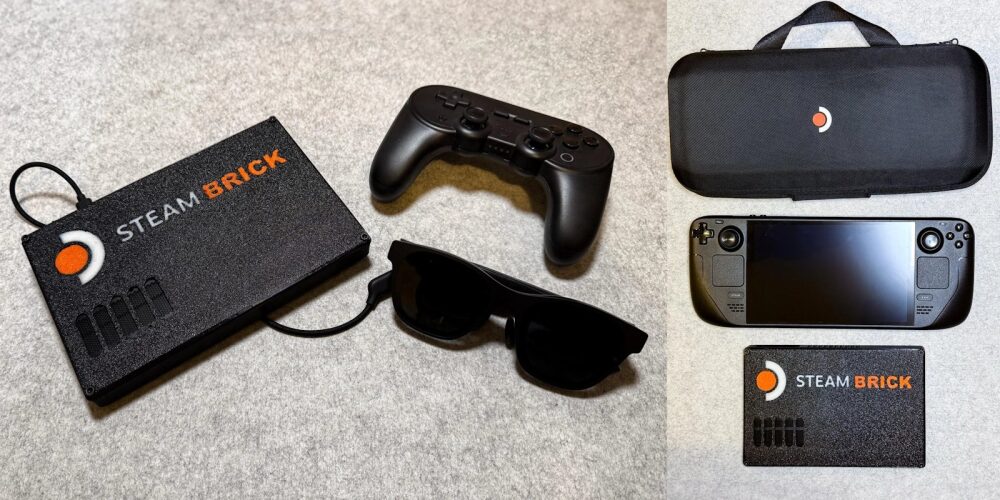
The only major intervention was received by the aluminum frame that holds all the hardware, but it’s nothing a saw or an angle grinder can’t solve. A basic CAD shell later (nothing exaggerated, the minimum to protect the hardware), and the Steam Brick is ready. One third of the original Steam Deck size (193.5 x 126.5 x 21 mm), and a final weight of 474 grams. Limitations? It’s harder to access the BIOS (the + button is missing), and there’s no power indicator. Version 2, maybe...?
Official site: Click here


