
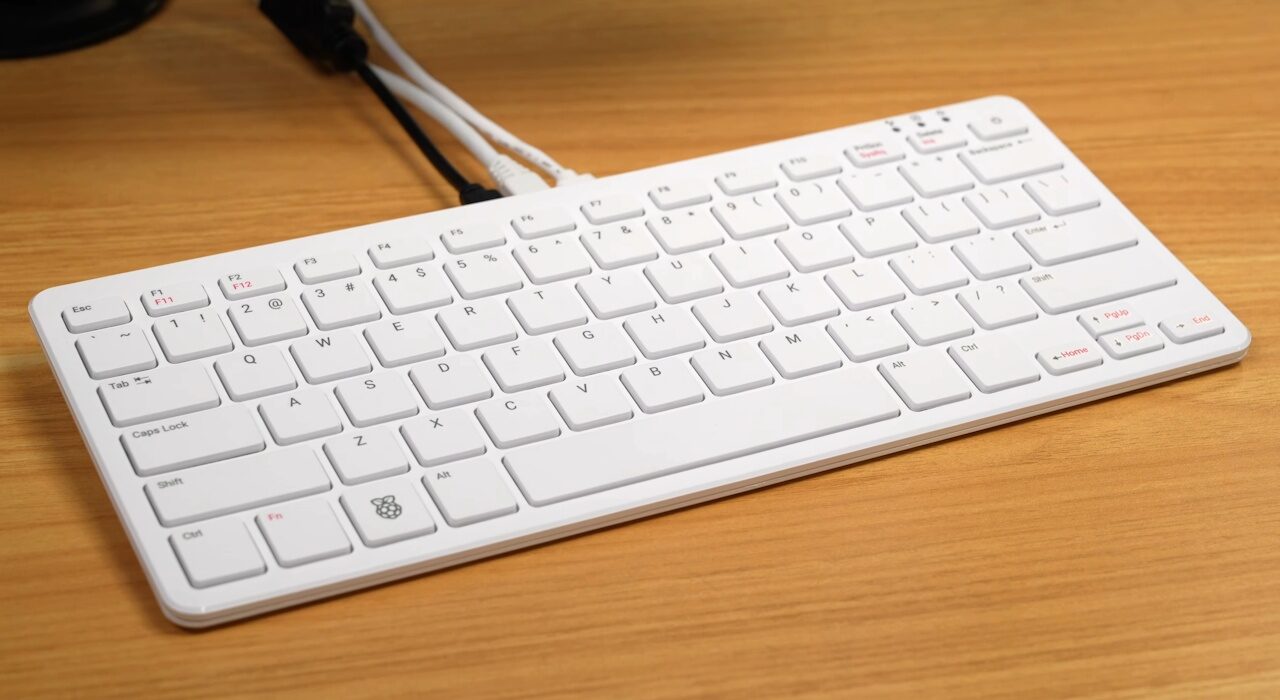
A quick search reminds us that the Raspberry Pi 400 has been on the market for four years, and let's be honest, it definitely needs an upgrade. The hardware to make that leap is already available in the form of the Raspberry Pi 5, so all the masterminds need to do is install it inside the keyboard. In addition to receiving updated silicon, the new Raspberry Pi 500 increases its RAM to 8 GB and offers some other welcome tweaks… but it also leaves some things on the table.
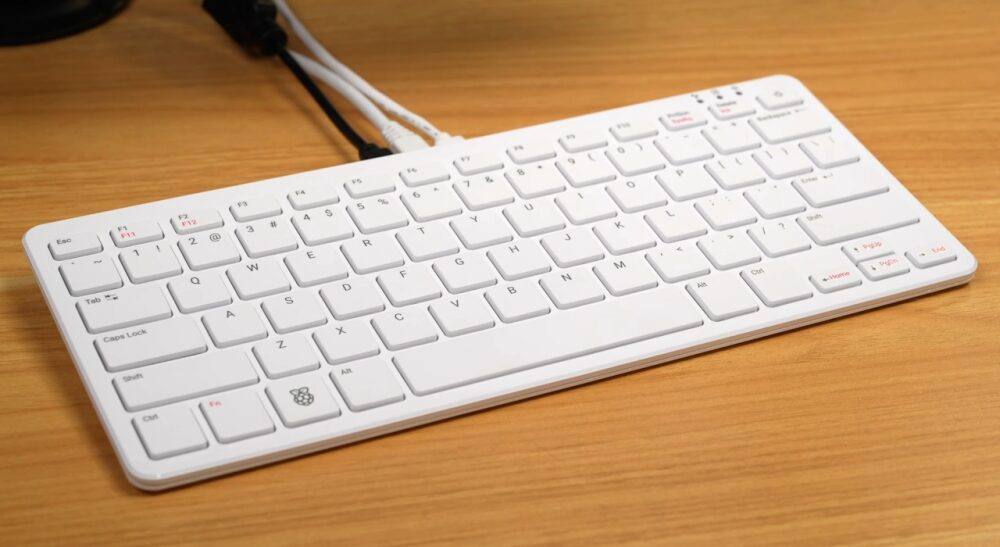
The “modern” AIO format basically merges the computer with a monitor, but the folks at Raspberry Pi decided to follow a more “classic” route with the Raspberry Pi 400, drawing inspiration from the Commodore 64 and the ZX Spectrum. Today we have two pieces of good news: on one hand, the brand new Raspberry Pi 500 brings updated hardware, and on the other, its overall form factor remains unchanged.
Raspberry Pi 500, with the soul of a Raspberry Pi 5
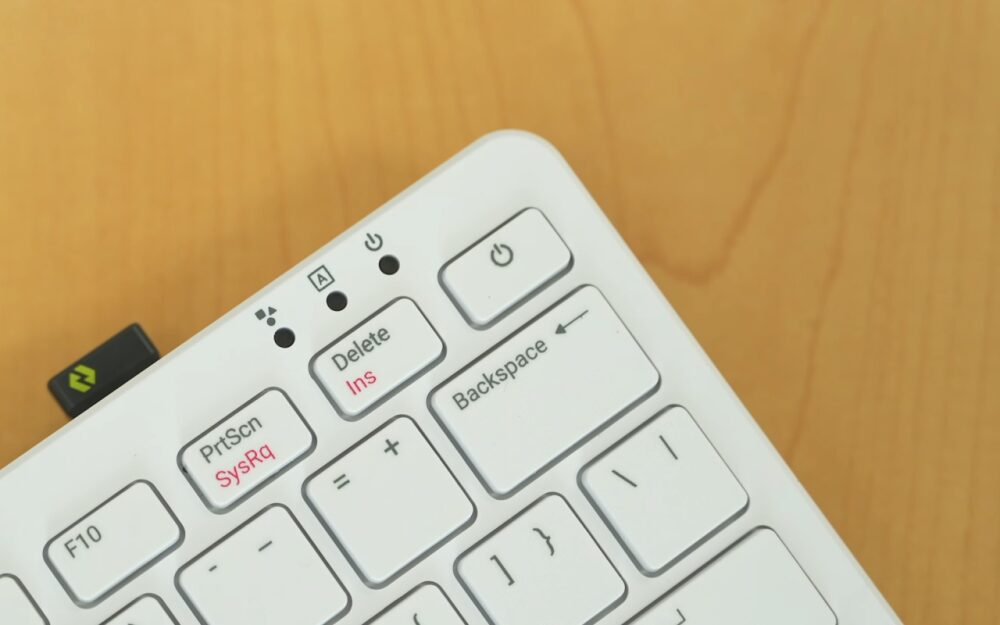
Much like with the Compute Module 5, the new Raspberry Pi 500 uses a Broadcom BCM2712 processor (quad-core, 2.4 GHz) and ups the RAM to 8 GB LPDDR4X-4267. On the back we find three USB-A ports (two of them 3.0), a USB-C for power, Gigabit Ethernet, two micro HDMI outputs that support 4Kp60, horizontal GPIO access, and of course, a microSD slot. However, the most notable change in its configuration is the inclusion of a dedicated power button.
But the Raspberry Pi 500 is not alone. The company also introduced the Raspberry Pi Monitor, a 15.6-inch 1080p panel with two 1.2W speakers and USB-C power. That means the Raspberry Pi 500 cannot serve as a power source (at least, not directly), though it's not the end of the world. Now, if there's a negative aspect to mention, it's the absence of an M.2 slot. Its PCB has everything needed to support that technology, but Raspberry Pi decided not to include it... this time.
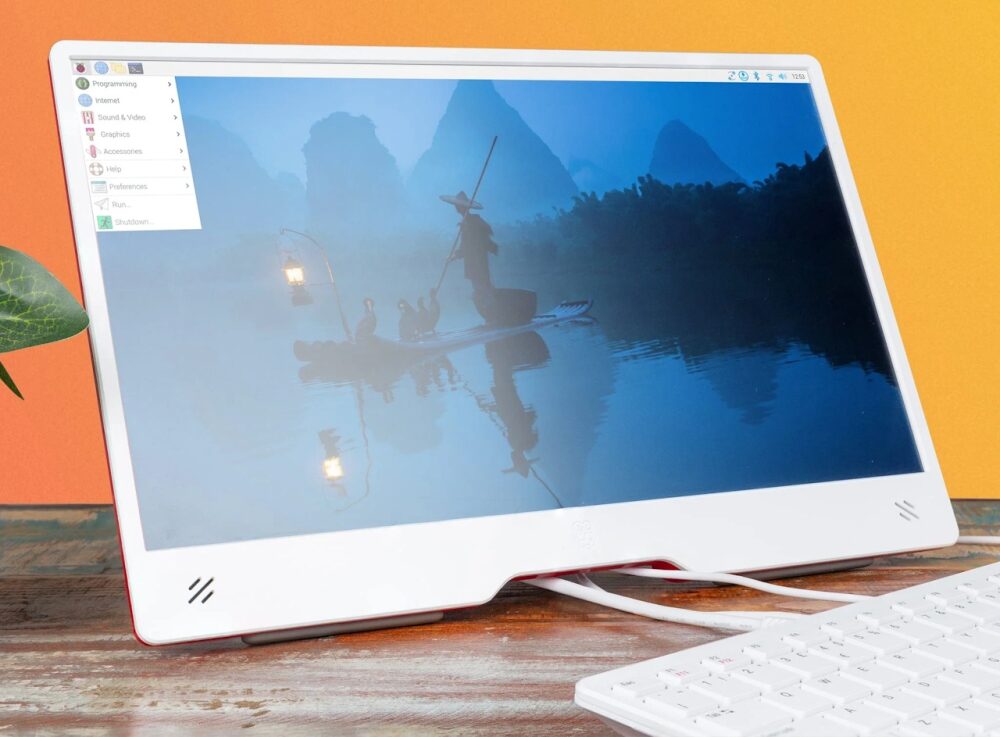
The official price of the Raspberry Pi 500 rises to $90 (compared to the $70 initial Pi 400), the Desktop Kit goes to $120, and the monitor costs $100. Meanwhile, the Raspberry Pi 400 drops to $60, and its official kit does the same, landing at $80.
Sources: Raspberry Pi 500, Raspberry Pi Monitor, Jeff Geerling on YouTube


