
Caveat emptor. "Let the buyer beware", a good suggestion when e-commerce platforms like Aliexpress tempt us with products at incredible prices. How incredible? It's simple: if a seller offers 100 grams of tin for less than three dollars, and their profile registers more than 50,000 units sold, it inevitably attracts attention... but "bigclivedotcom" on YouTube decided to evaluate that tin, and most importantly, check how much material actually comes in the spools...
Many enthusiasts swear by the tin they use, while others end up soldering with anything they have on hand. Personally, I belong to the second category: I bought a spool of 60/40 with a diameter of 0.7 mm years ago, and I'm still far from finishing it. A little flux here, a pinch of extra heat there, and the results are more or less decent for any DIY space... but when a Weller spool doesn't go below 20 euros, it's logical that potential users try to find deals online. The problem is, they usually find them...
Chinese tin: 100 grams = "100 grams"
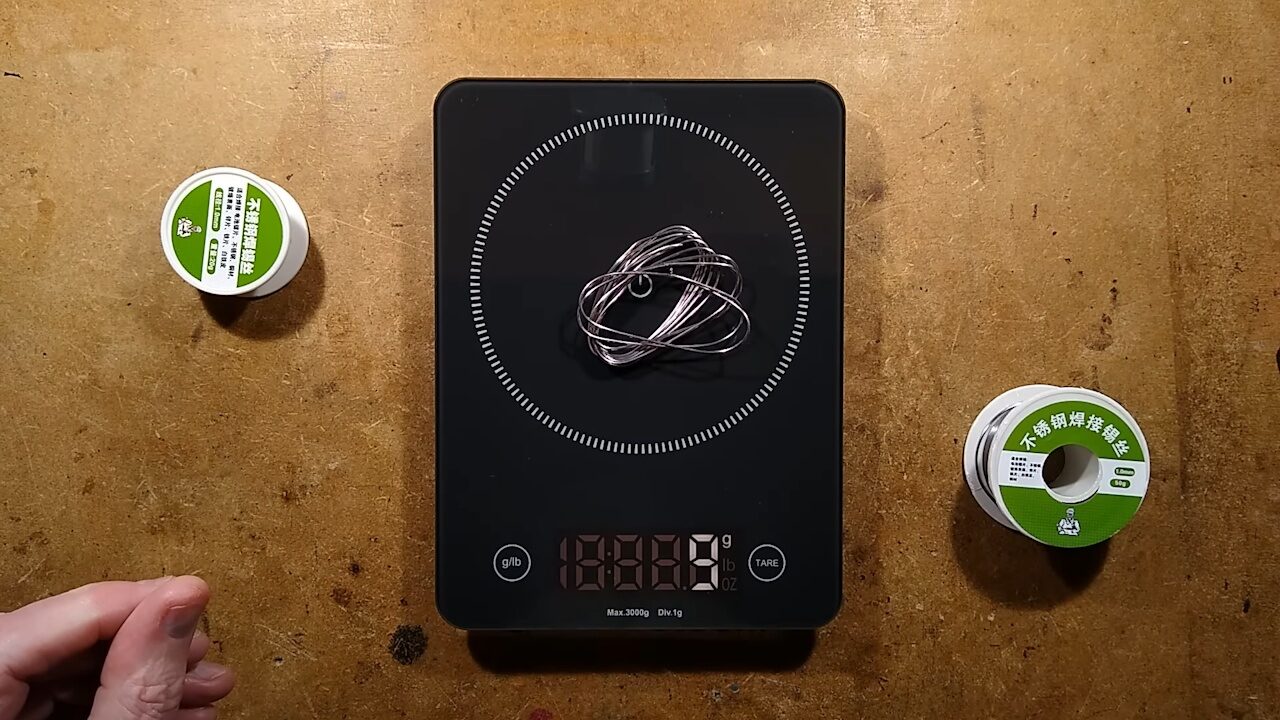
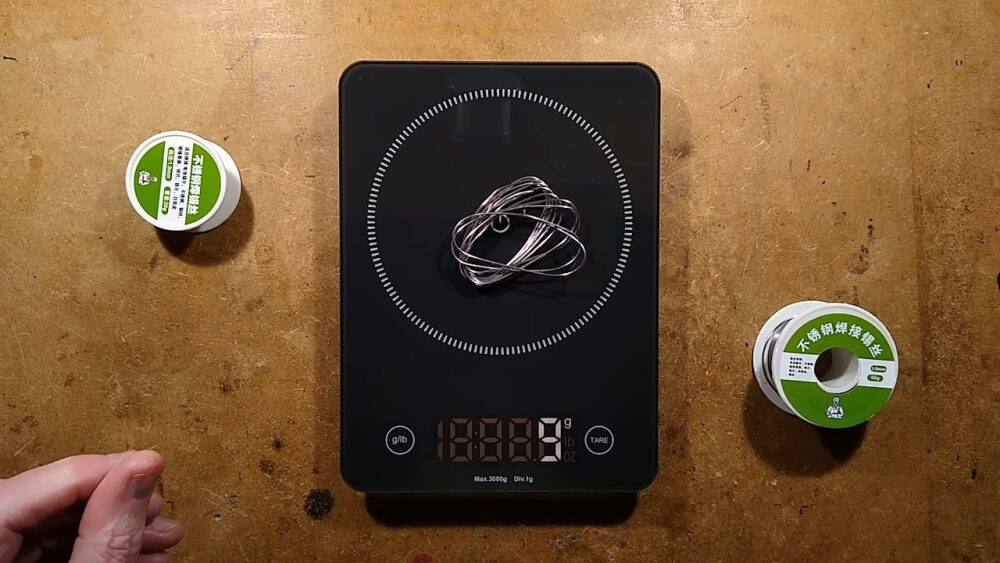
It all started a couple of months ago when "bigclivedotcom" bought a spool with 100 grams of mysterious tin on AliExpress for less than three dollars (note: 99 cents at the time of writing) His initial doubts were two: how well does it work, and how much tin is actually in the spool. He mentions in the video that the flux smell is "very aggressive", but the tin does fulfill one of its promises: it can solder on stainless steel (the aluminum test ended in failure). Now, after removing all the tin from the spool and weighing the plastic separately, the scale reported 61 grams. The user receives less than 40% of the tin indicated on the label.
In his latest video, "bigclivedotcom" repeated the same process for the 50 and 20 gram spools, but that's not all: John, one of his subscribers, did an X-ray analysis of the 100 gram spool and discovered the composition is 95% lead, 5% tin, and a suspicious trace of cadmium. What about the other spools? The 20 gram one actually has 9 grams, while the 50 has 18 real grams of "tin"
So why do sellers do this? It's an old trick on online platforms: the investment is small enough that the user won't bother sending the product back and/or requesting a refund. Multiply those three dollars by thousands of sales with subsidized free shipping... and the scam explains itself.


