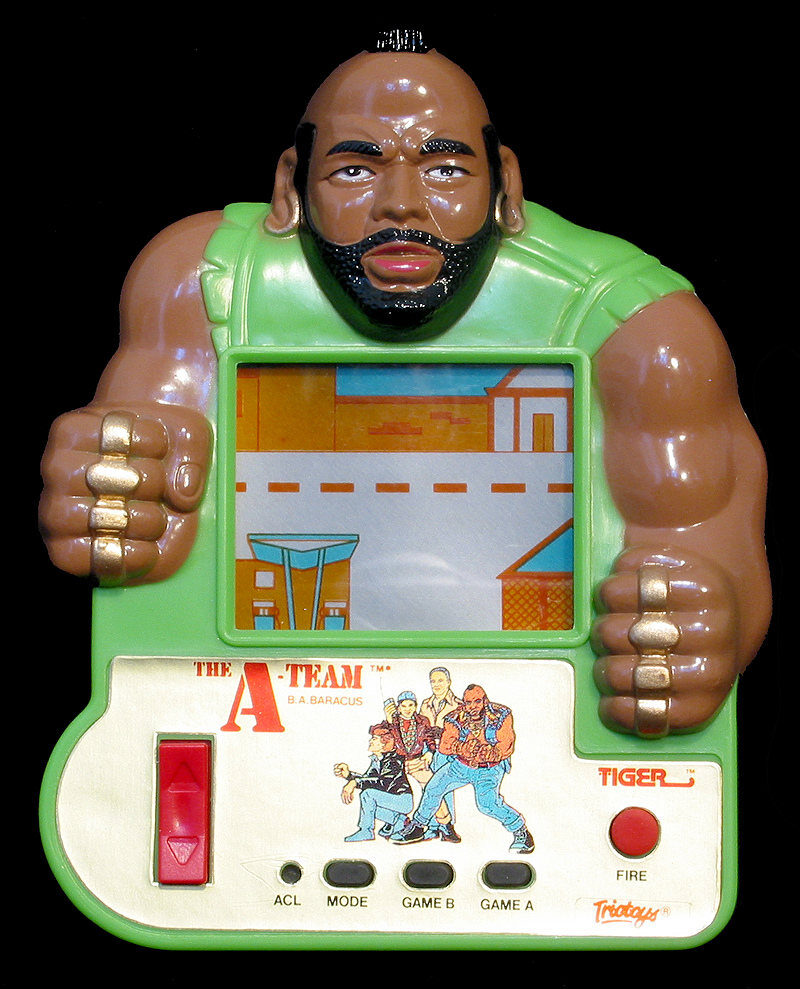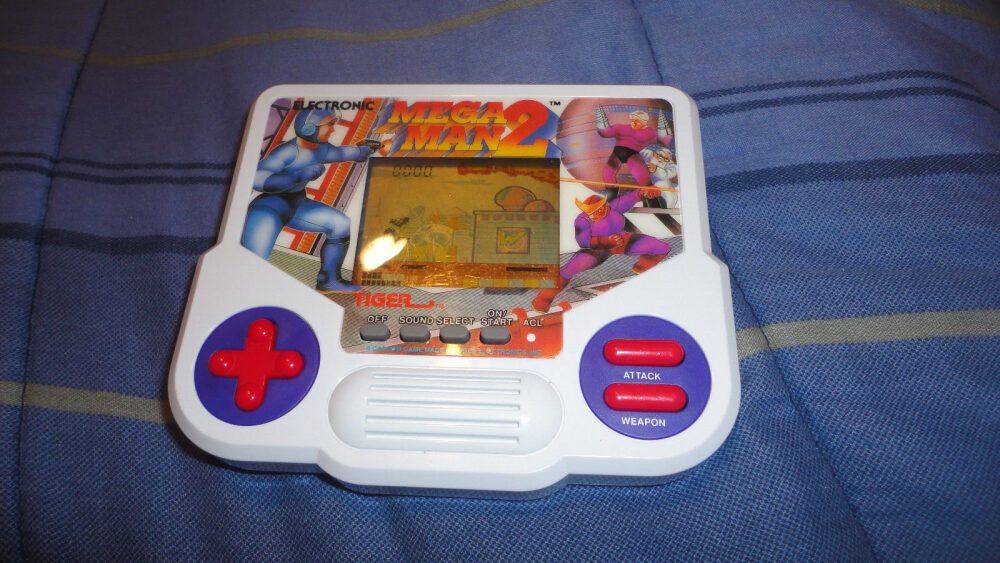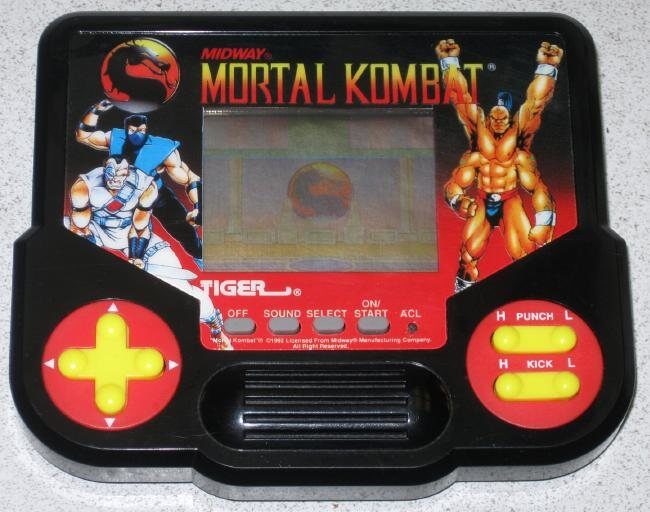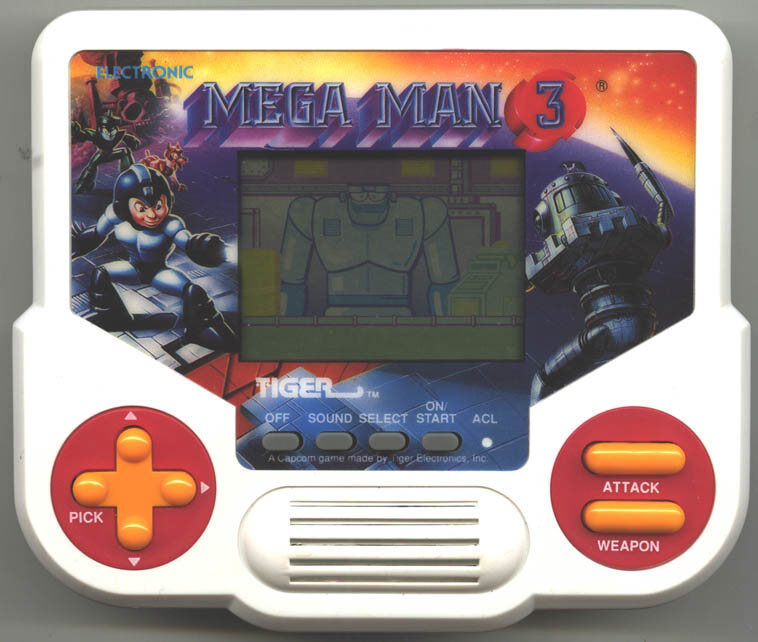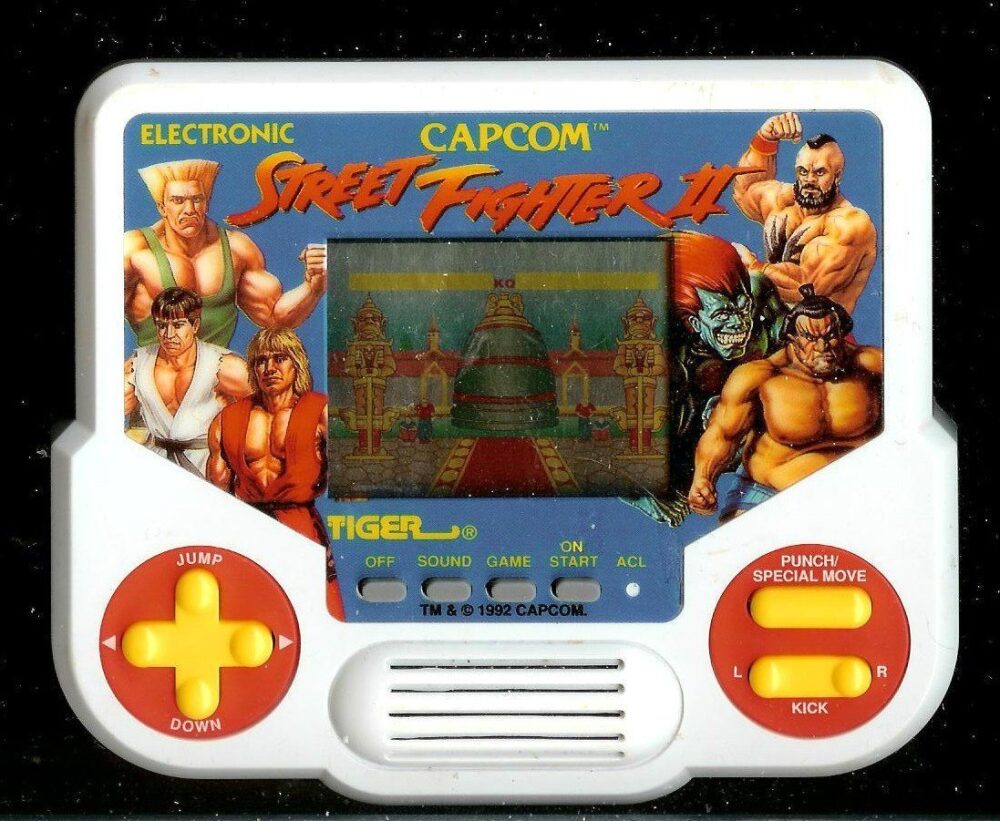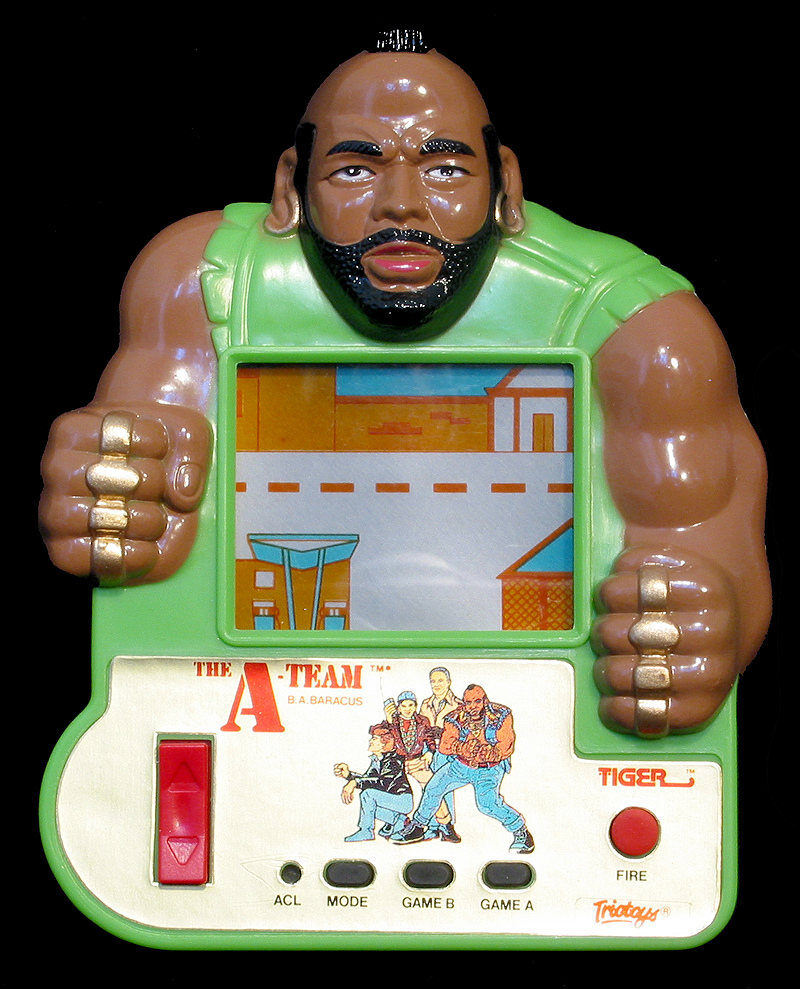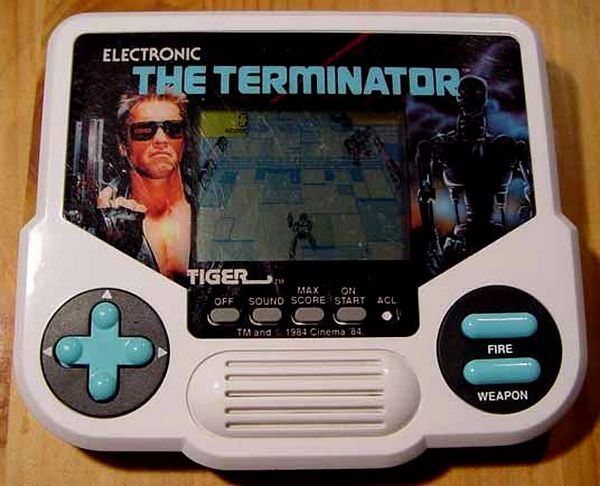
You can say what you want about Tiger Electronics, but those guys knew exactly what they were doing. They understood the market, had good ideas, and were always willing to take big risks (even if they didn't always work out). The company started with a clear mission: to be an affordable alternative in the LCD digital games market – and they certainly succeeded. With dozens of games based on well-known licenses, they became the undisputed kings of LCD video games. Not thanks to the quality of their products, of course – which were pretty bad – but thanks to the power of a marketing team that knew its stuff.
LCD games are those pocket games, in the style of Game & Watch, that ran on the same LCD technology as digital watches and calculators, and were all the rage from the 80s through the mid-90s. If you're too young, you might not know what I'm talking about. Don't worry! In the video below you can see me playing Bird Family (one of my favorites!) made by Casio, which is far more respectable than most of the Tiger games you'll find further down. You can also try them out for yourself at Pica-Pic, a page that "emulates" some of these LCD games.
As you can see, Bird Family was quite well done. It was a simple, fun idea with cute little graphics and a well-thought-out game design. It delivered exactly what it promised, without deceiving anyone. The same cannot be said for Tiger Electronics' games, which stayed as mere promises. Initially, Tiger also knew how to make minimalist, simple, and just as fun games (as you can see in one of their early product catalogs). But all that changed when their executives discovered one of the greatest truths of marketing: it's much easier to sell a game with a well-known license (like Mortal Kombat, for example) than one featuring an unknown circus clown juggling. In fact, it didn't even matter if the game was good or not! We were going to buy it anyway! Moreover, Tiger's machines were cheap enough to bet on the illusion and take the risk, even for a child's budget. Too bad they always broke our hearts!
In an interview at the time, marketing director Tamara Lebovitz made it perfectly clear: "We all read magazines and talk to studios to keep up with what's in fashion among kids." And that's how they did it – licensing content from other, better-known companies ("that was in fashion among kids") – Tiger Electronics became HUGE. They had discovered the goose that lays the golden eggs! They understood that the business was (and still is) about selling illusions (hype, more or less, as they call it now).
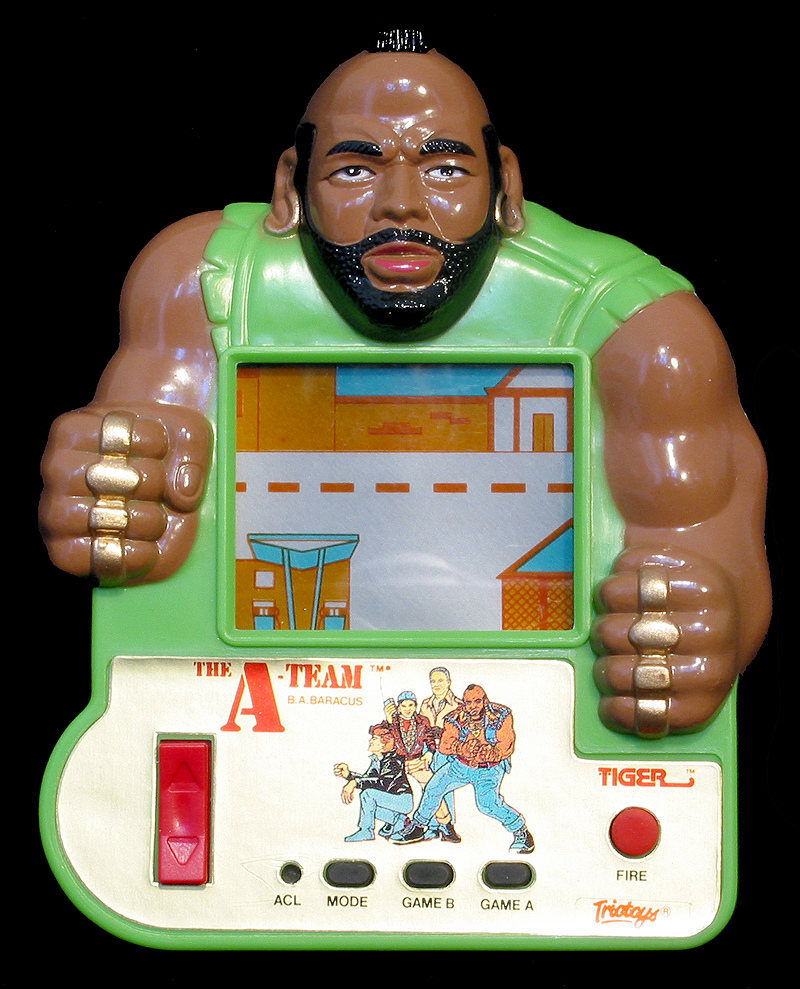
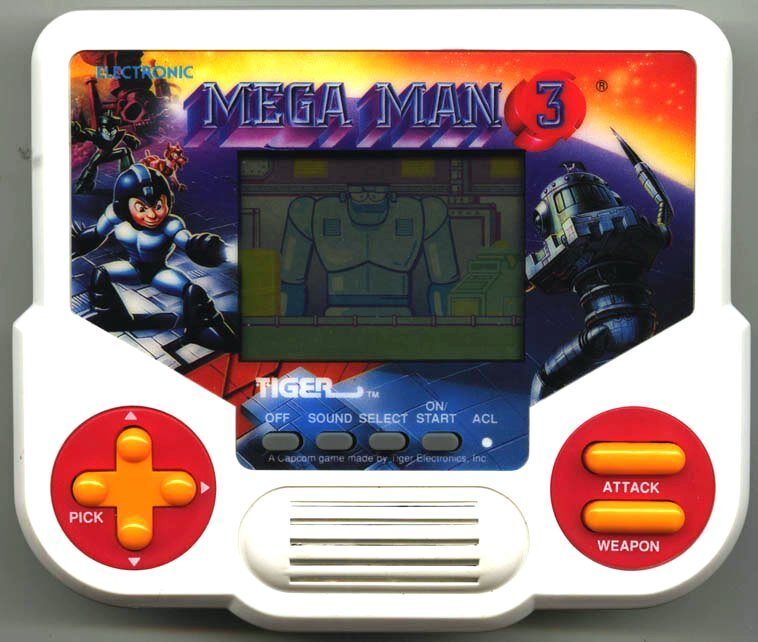
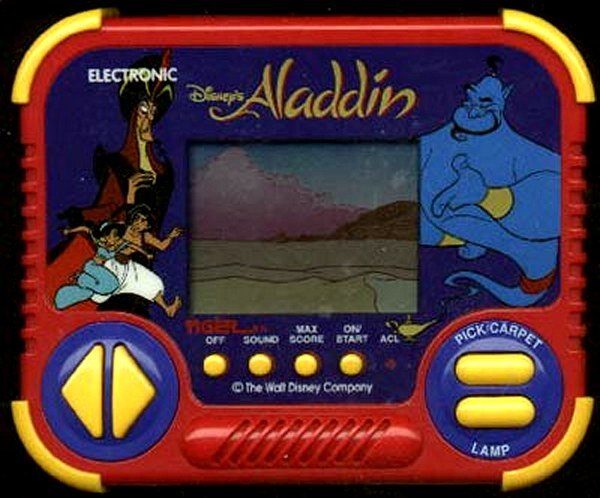
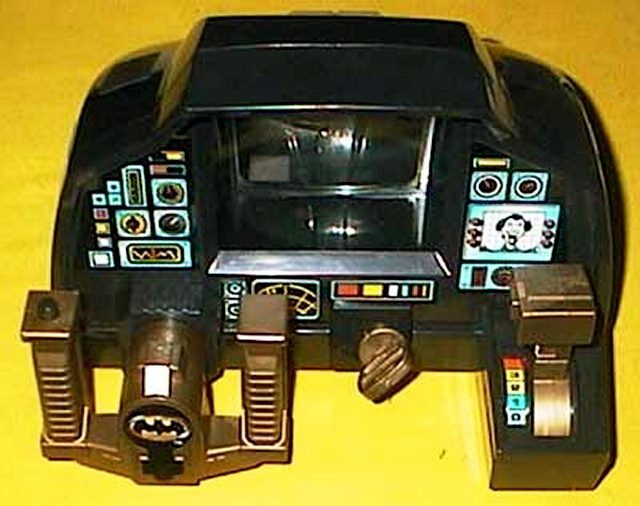
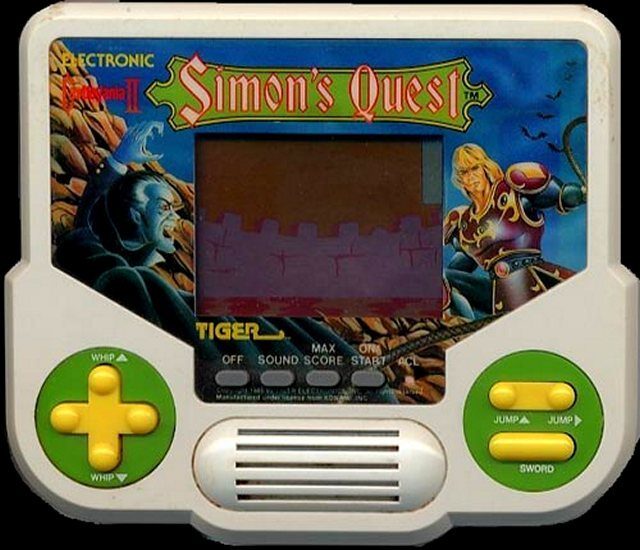
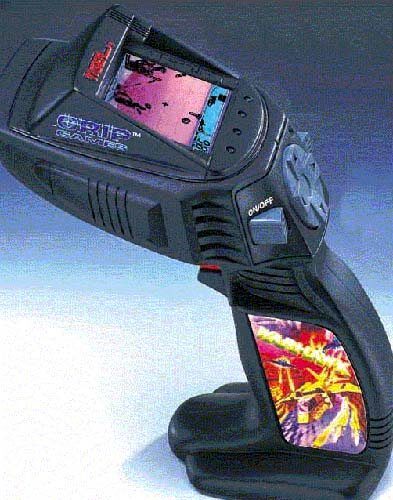
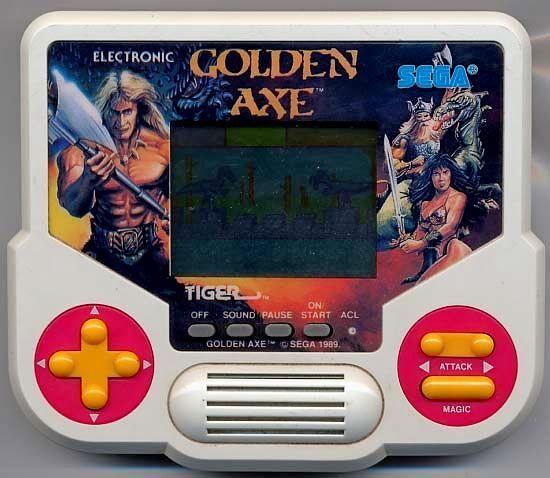
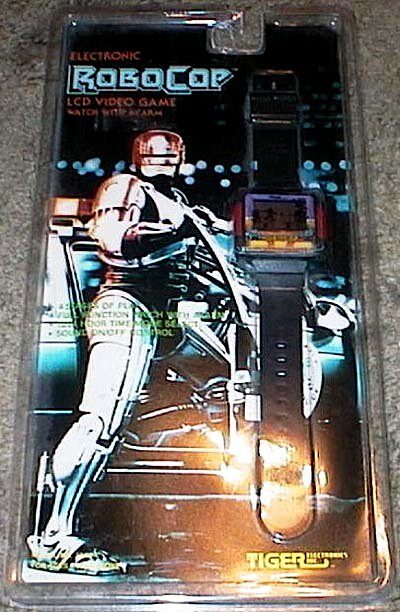
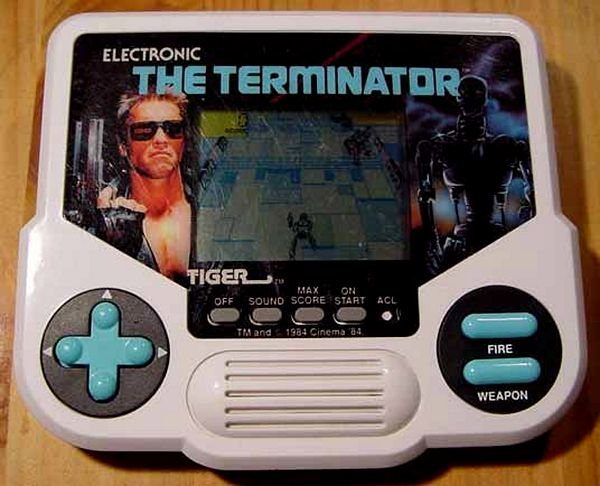
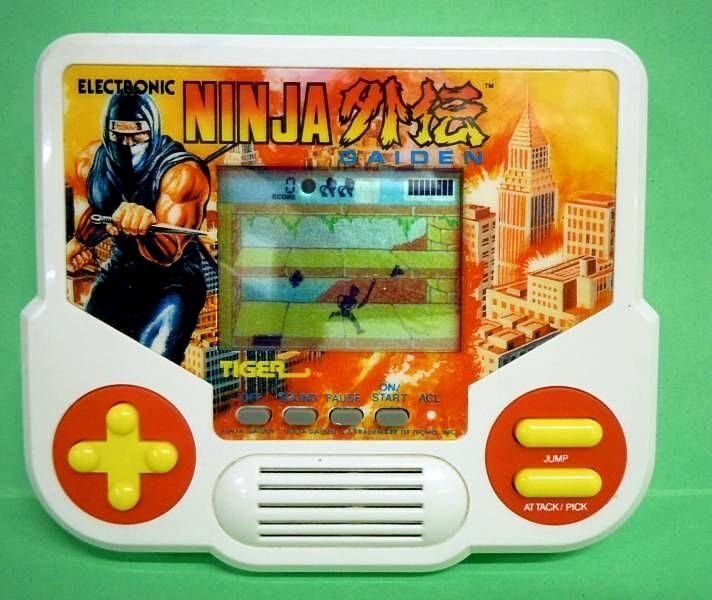
If they spent fortunes acquiring popular licenses and advertising in magazines and TV, the quality of the final product – the game itself – became much less important. And boy, did they take that to heart! Just look at the examples below. If you judge by the design of the machines, as we did as kids, they are certainly tempting! But behind those beautiful facades hides a terrifying truth. If you're brave and have a strong heart, you can discover that truth for yourself! All you have to do is click on any of the images, and you'll be teleported to a YouTube video revealing the sordid reality... Feel the disappointment first-hand! Suffer the curse of Tiger Electronics in this gallery prepared especially for you!
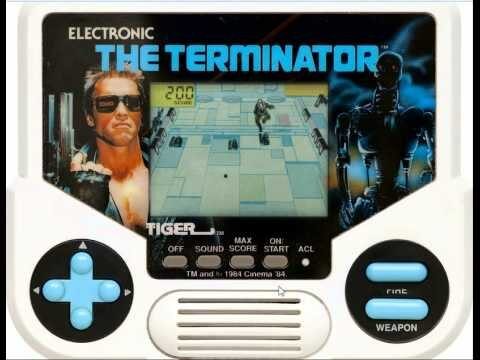
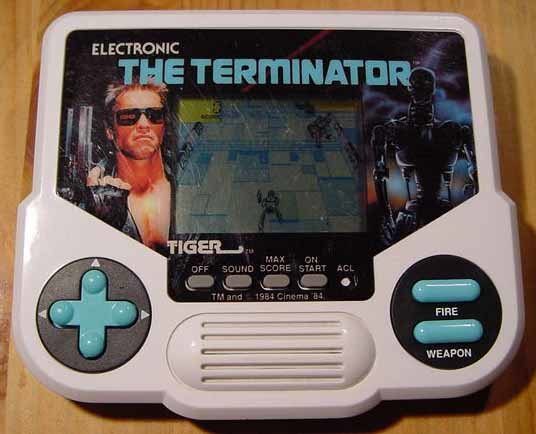
The Terminator
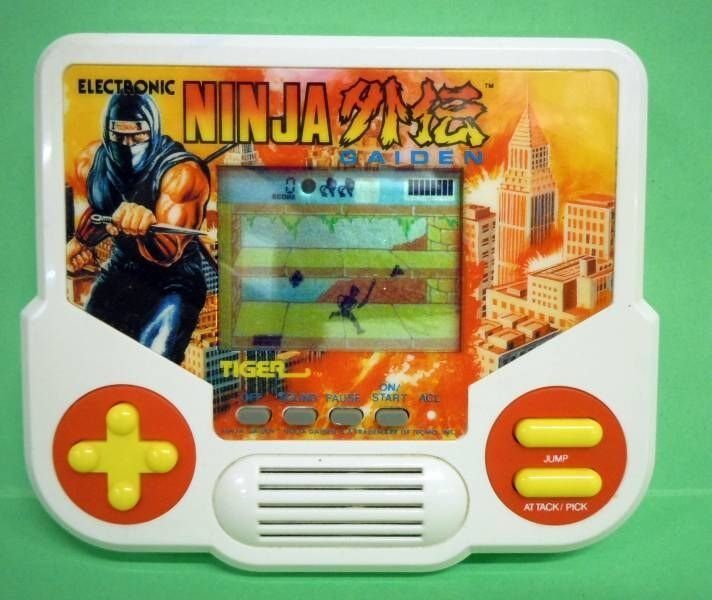
Ninja Gaiden
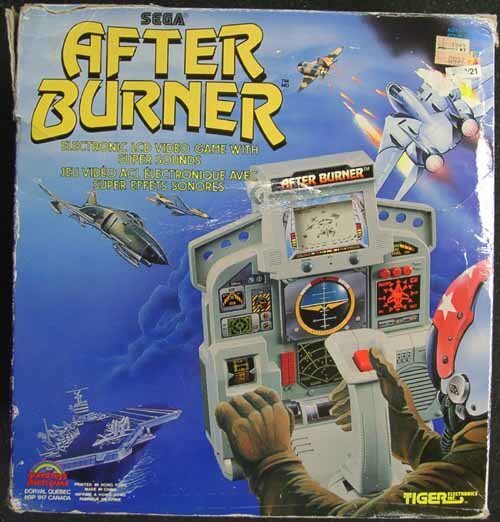
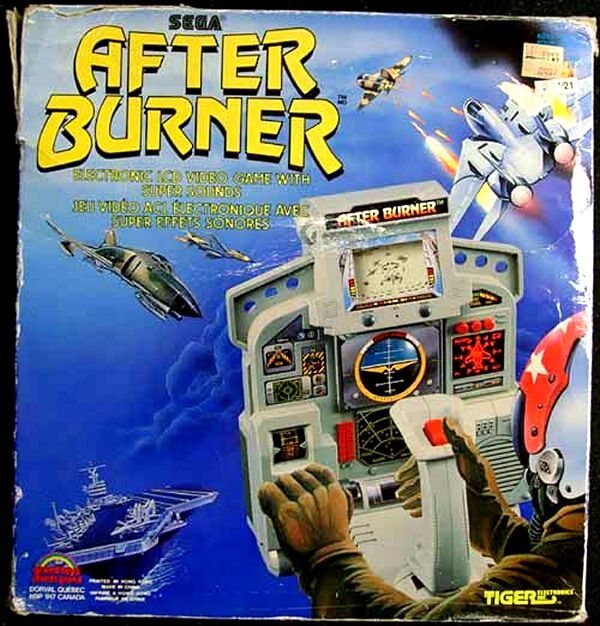
After Burner
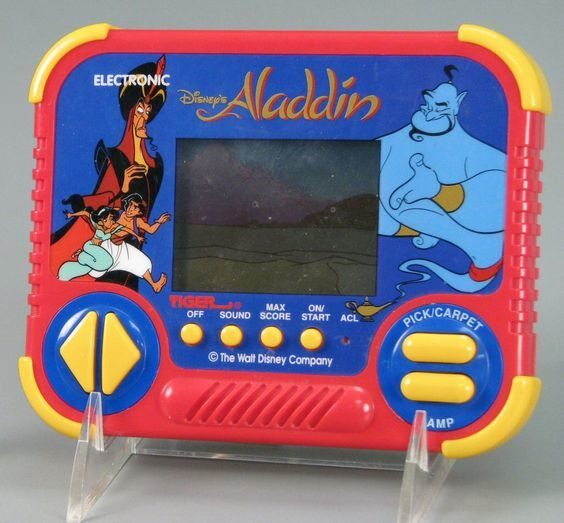
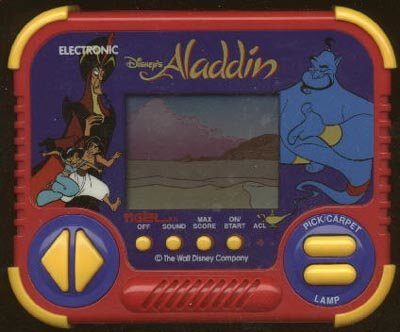
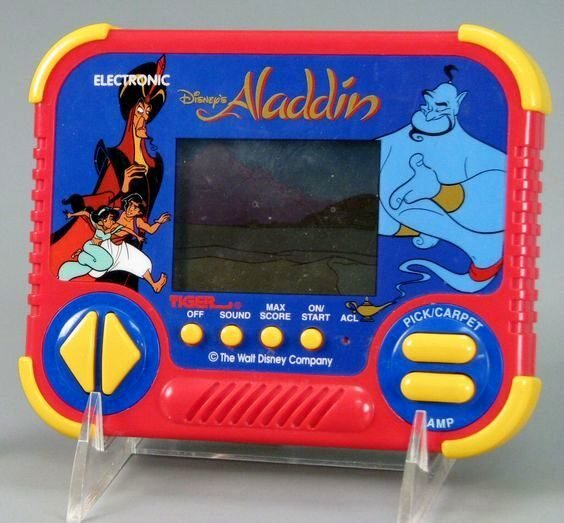
Disney's Aladdin
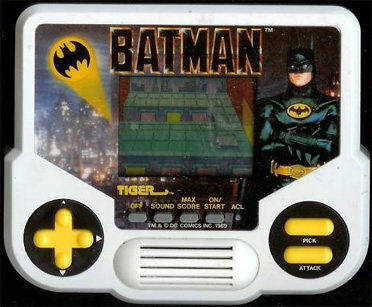
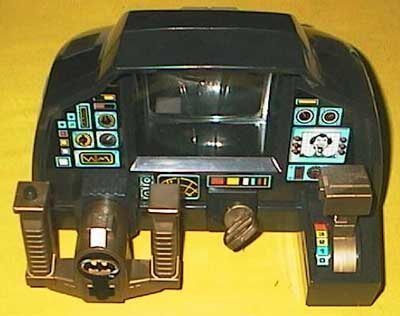
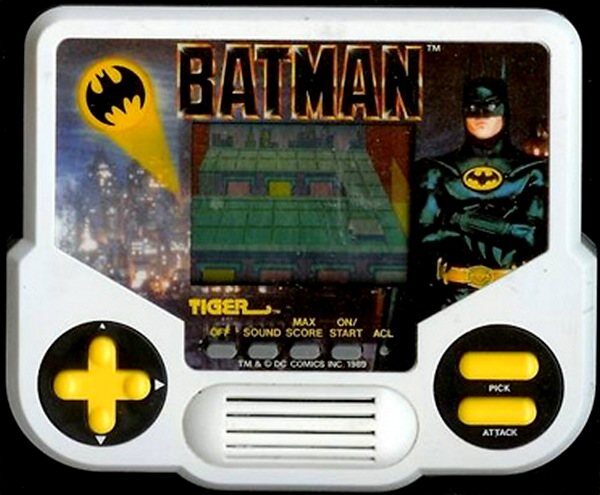
Batman
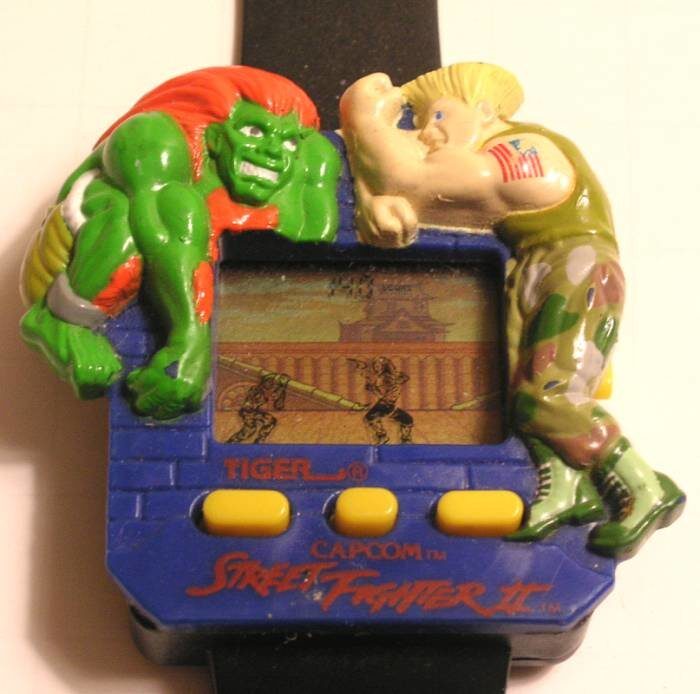
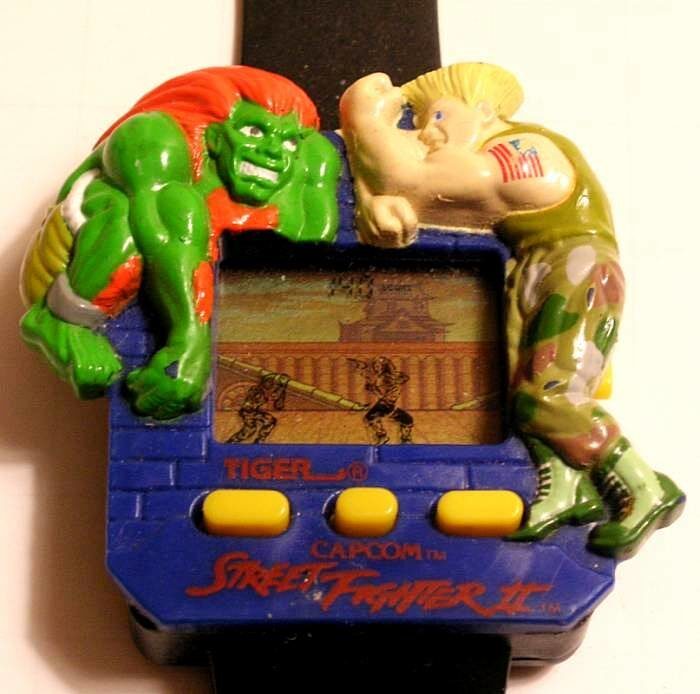
Street Fighter 2 Game Watch
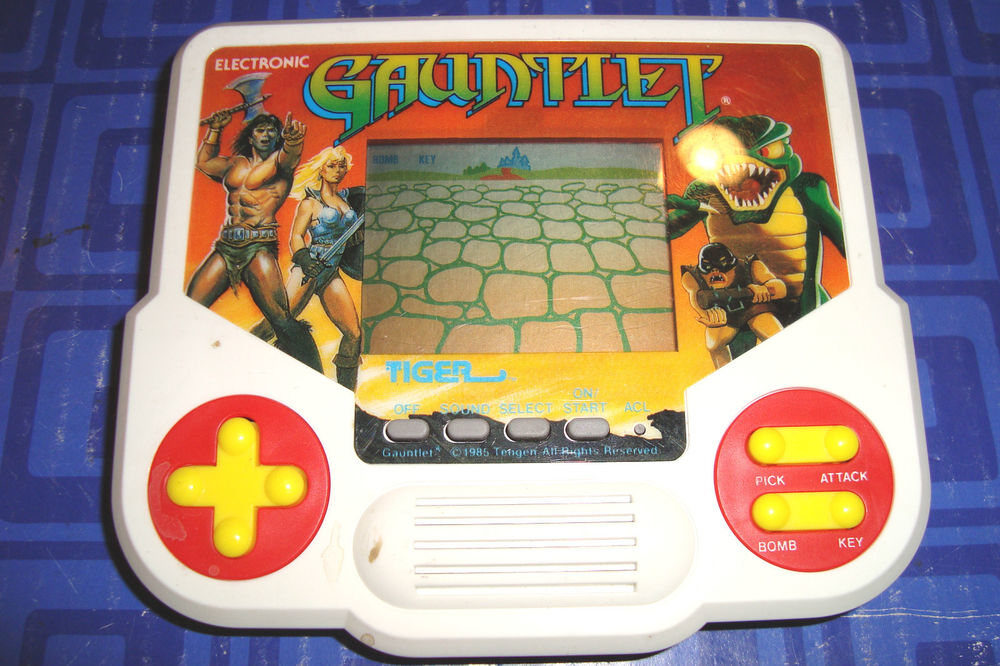
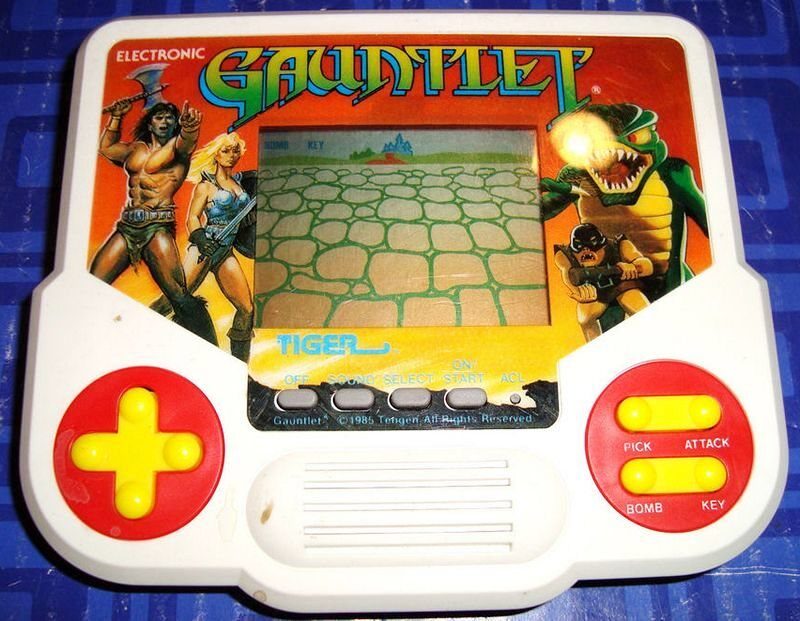
Gauntlet
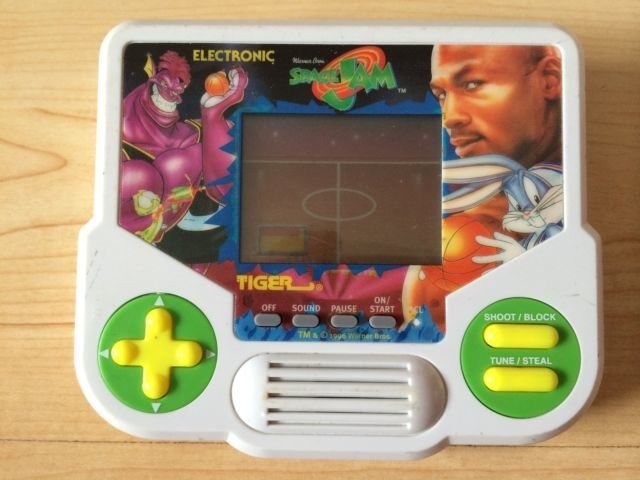
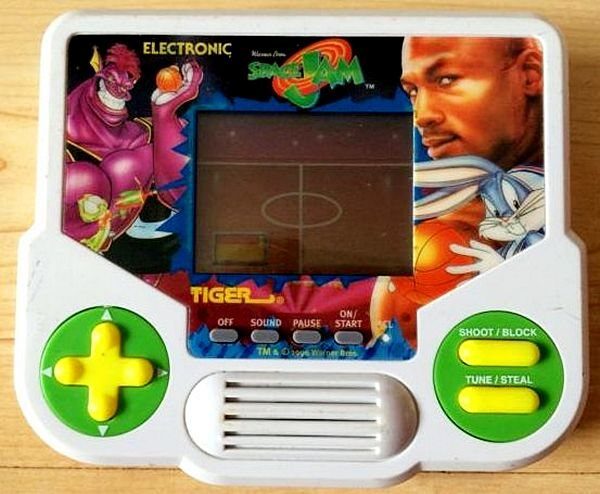
Space Jam
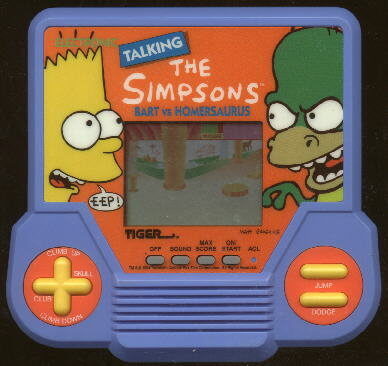
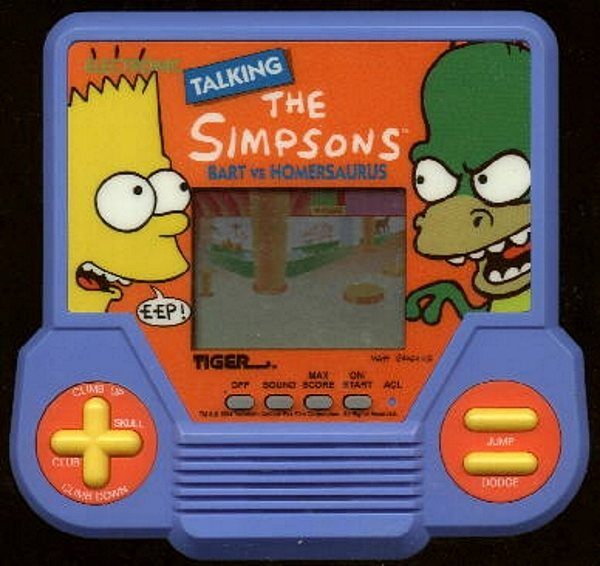
The Simpsons - Bart vs. Homersaurus
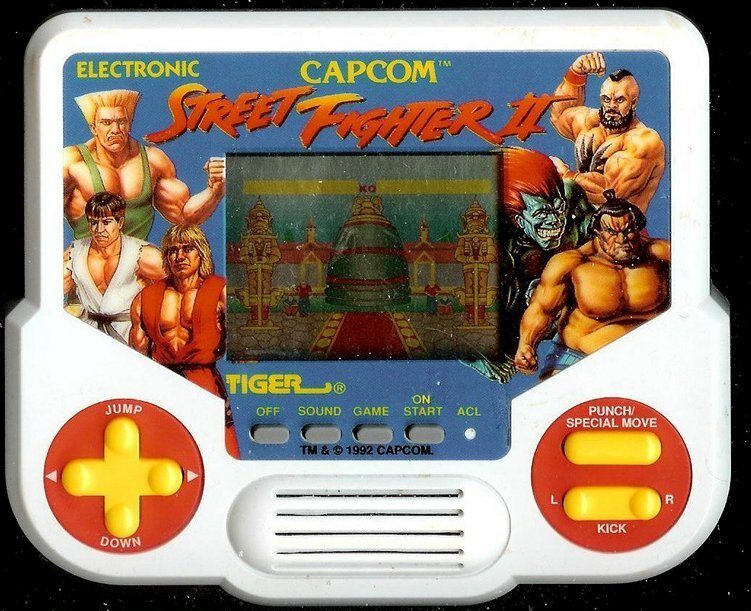
Street Fighter 2
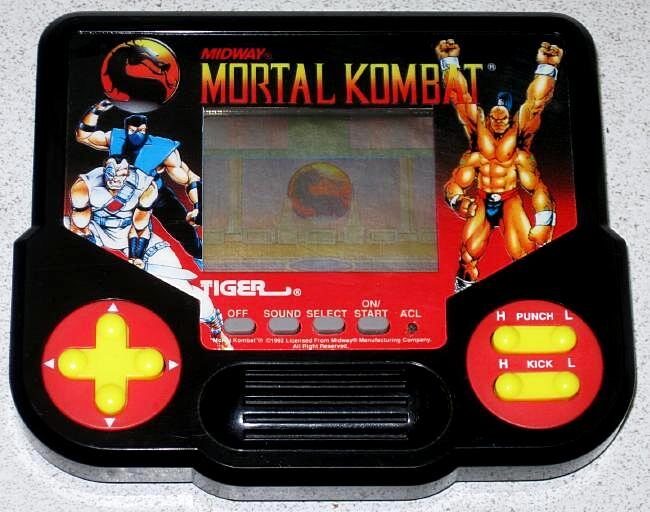
Mortal Kombat
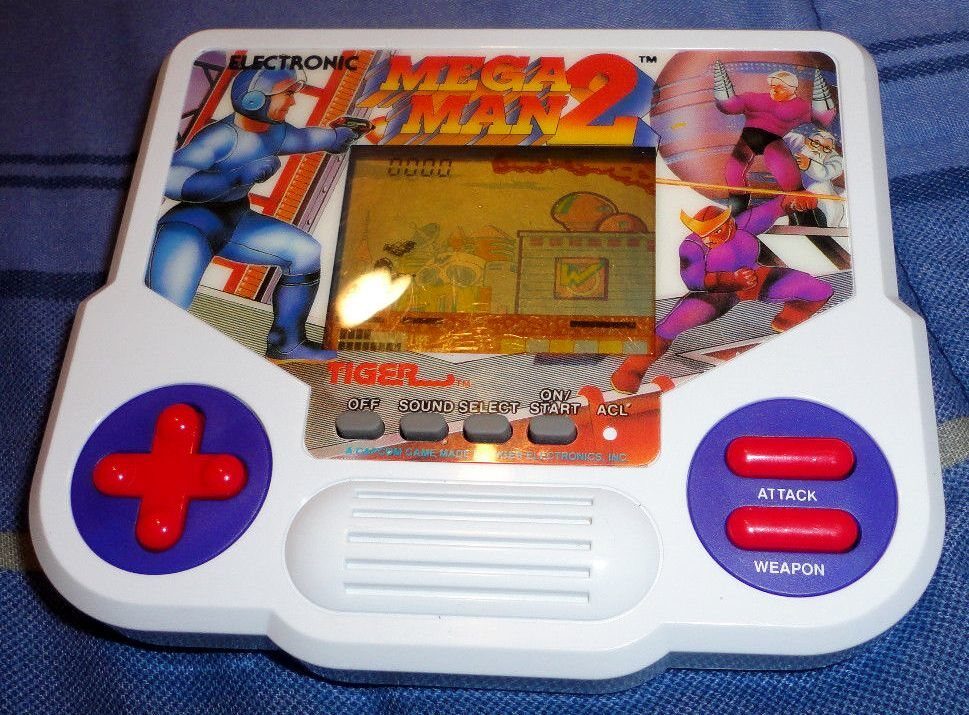
Mega Man 2
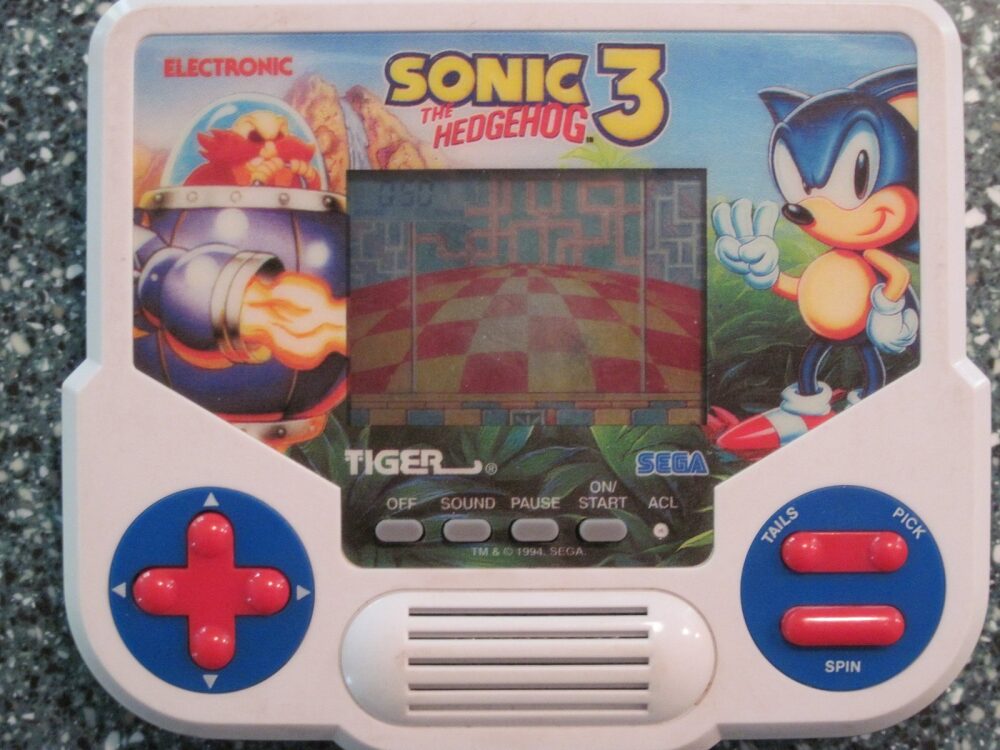
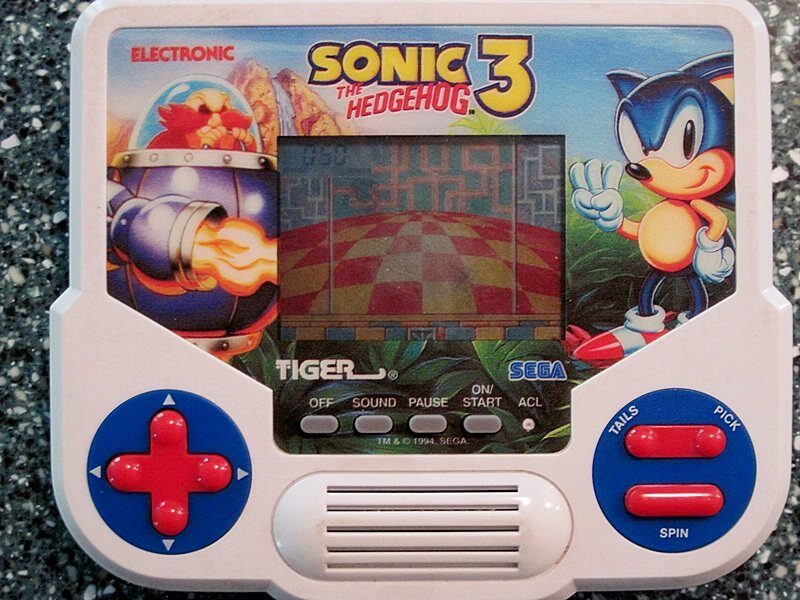
Sonic The Hedgehog 3
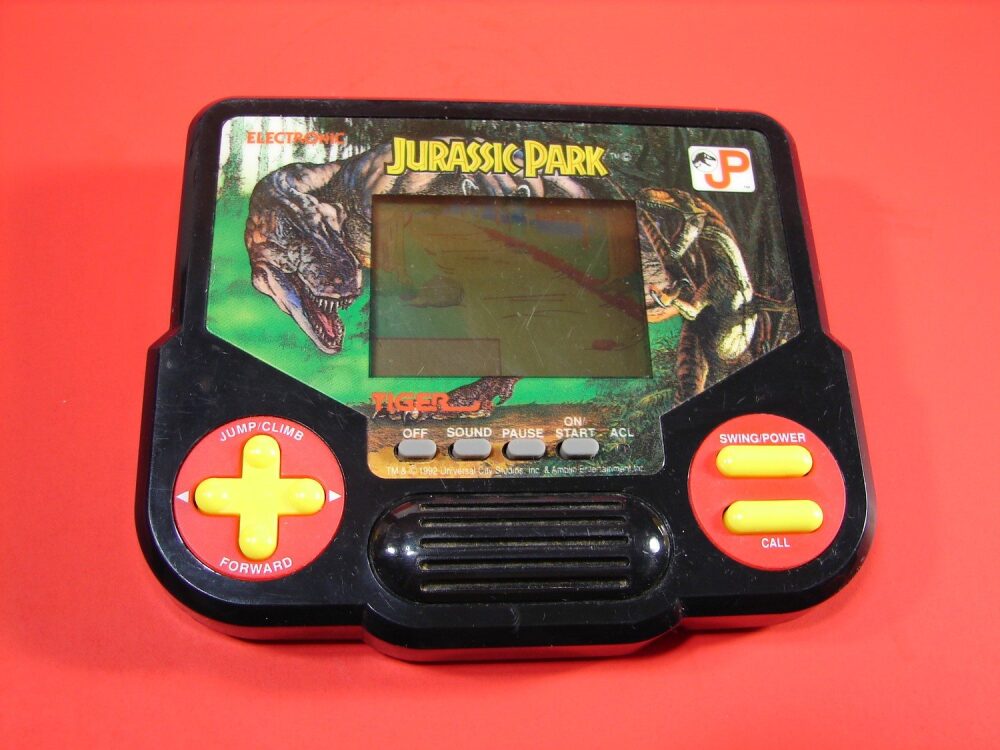
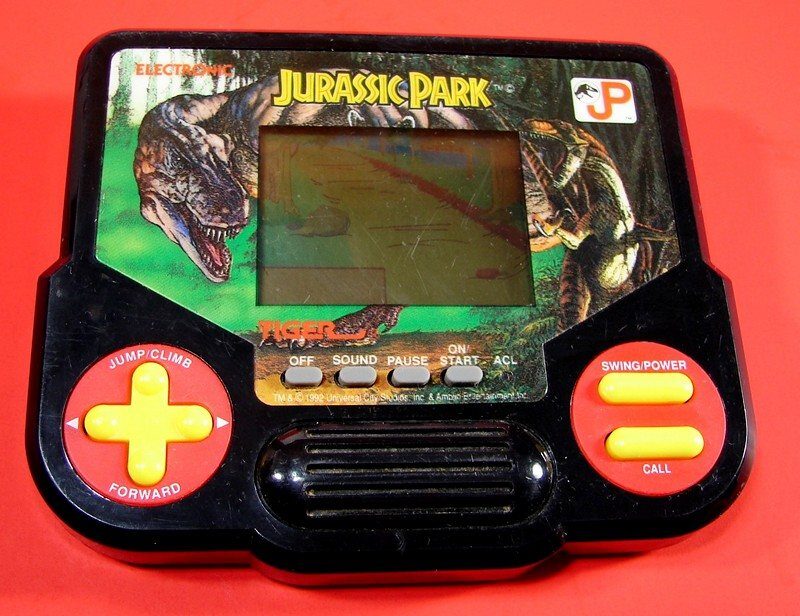
Jurassic Park
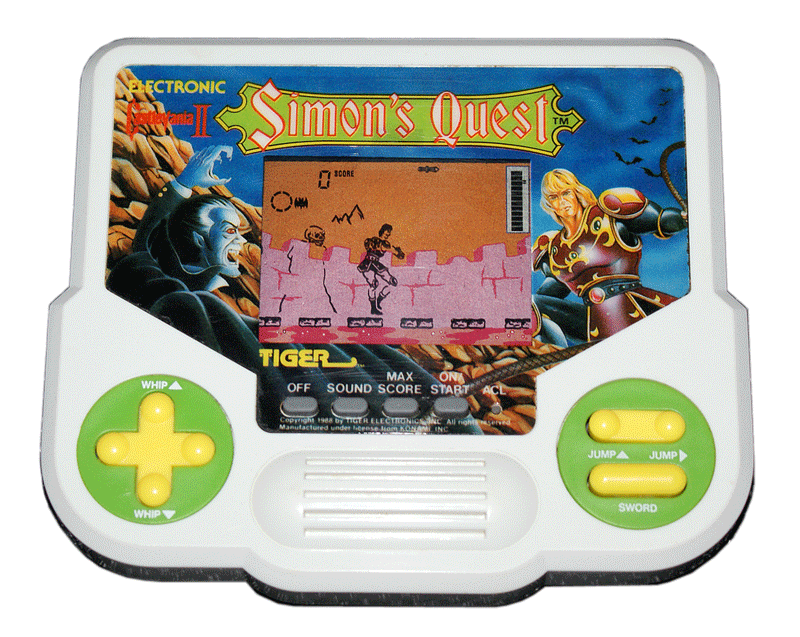
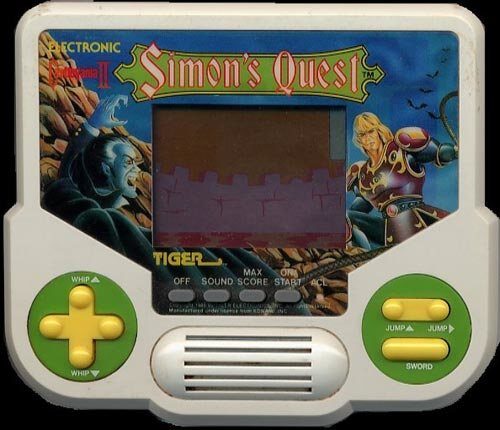
Castlevania II - Simon's Quest
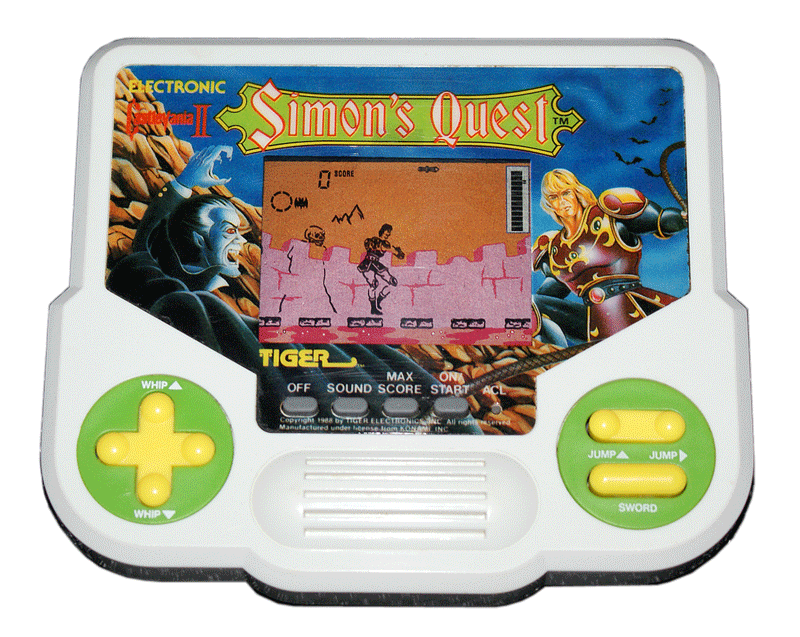
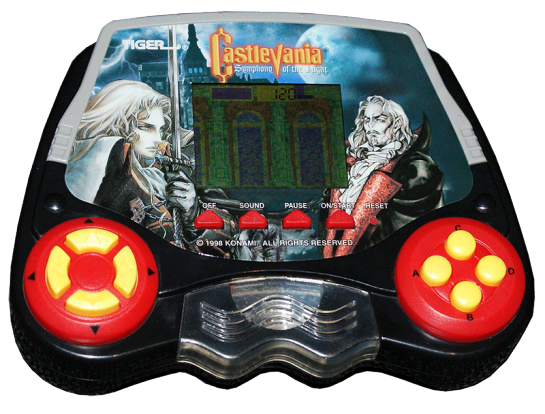
Castlevania - Symphony of the Night
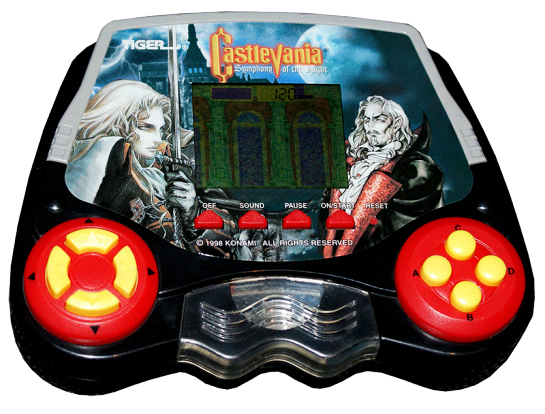
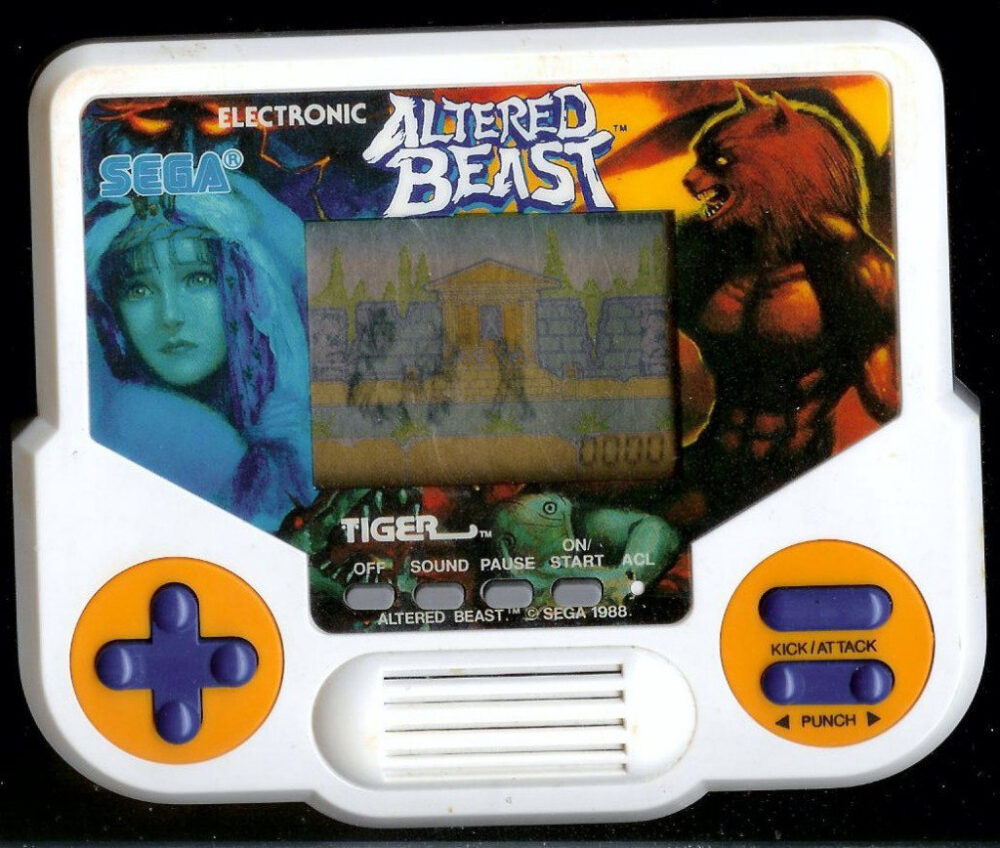
Altered Beast
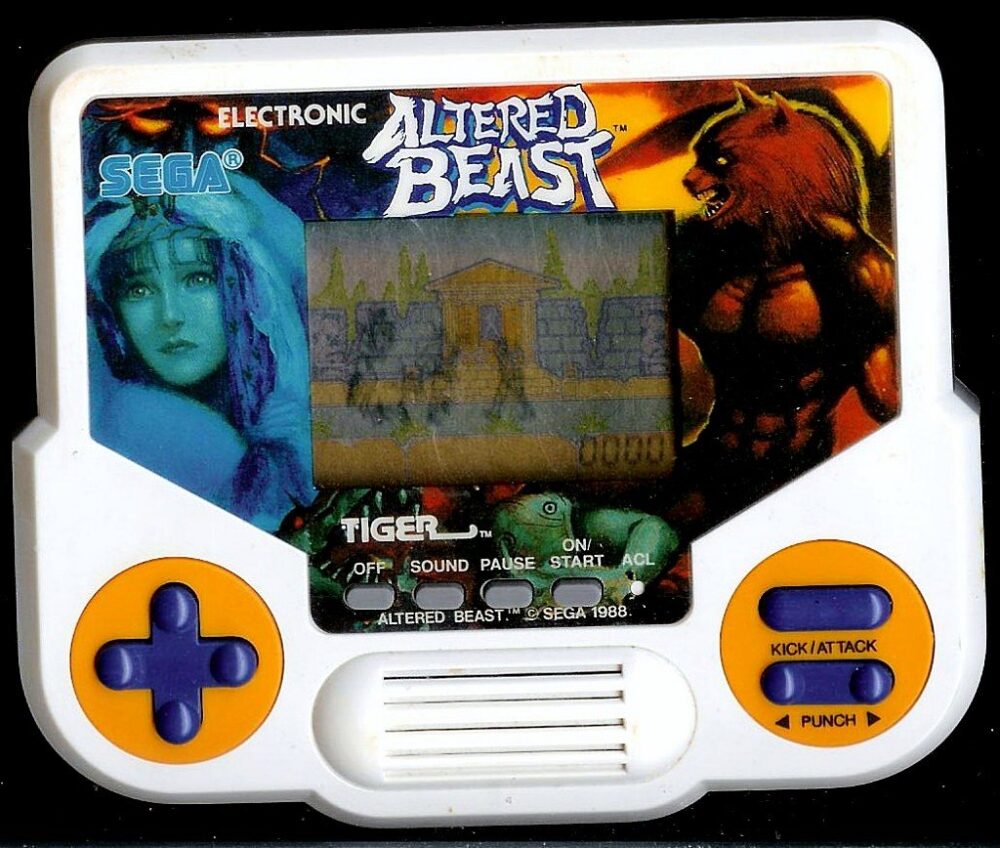
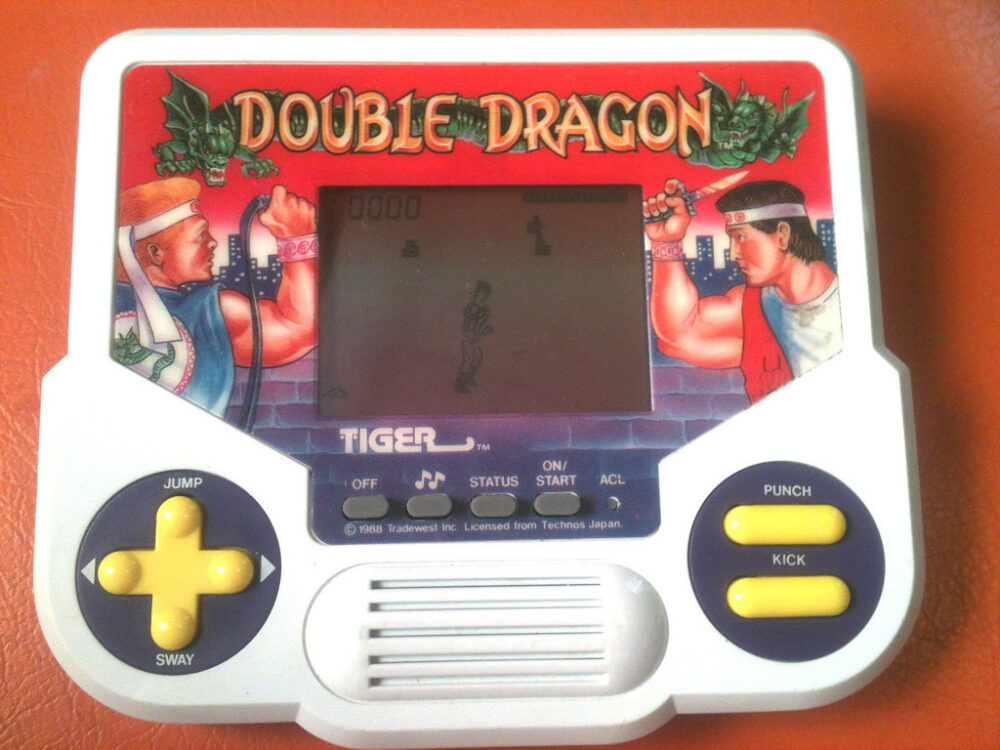
Double Dragon
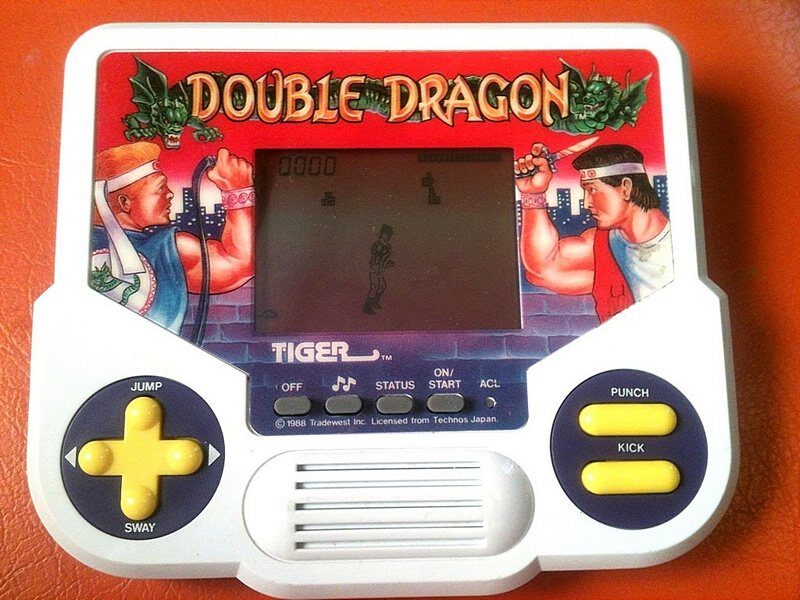
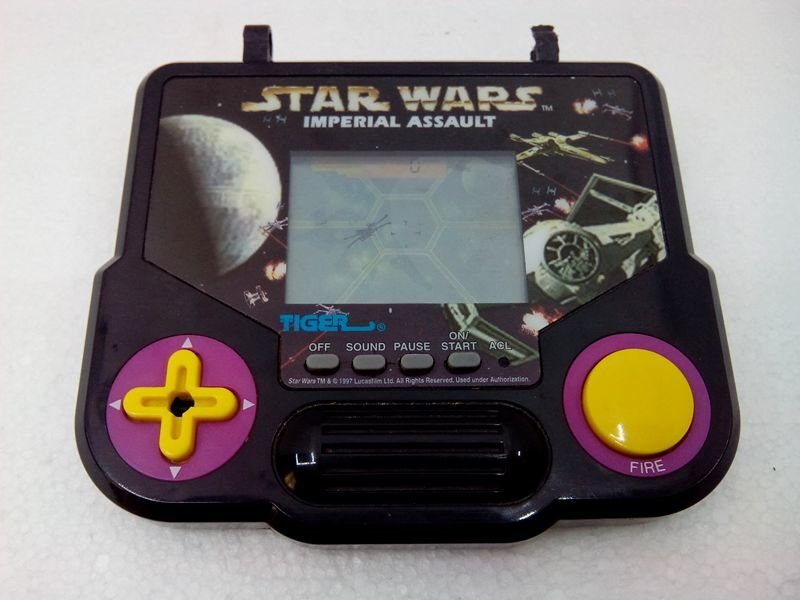
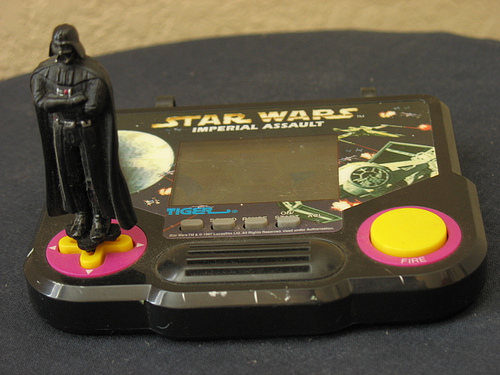
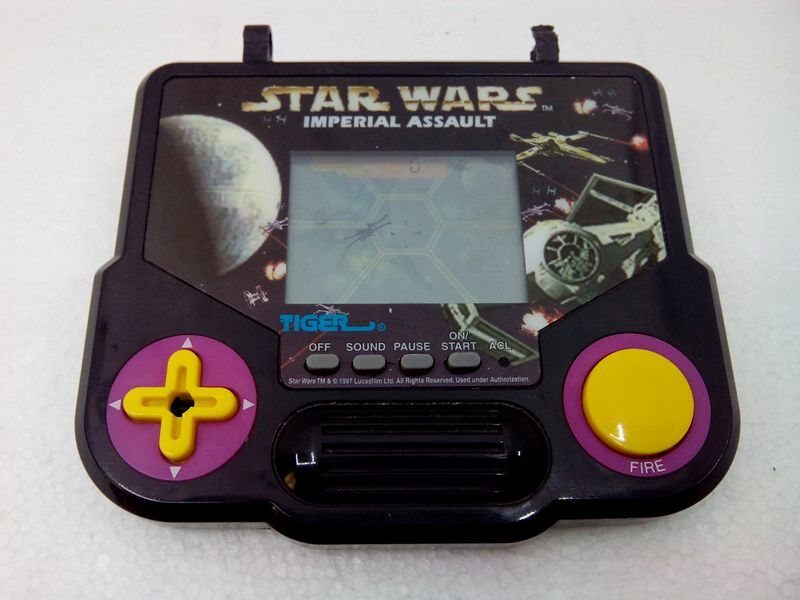
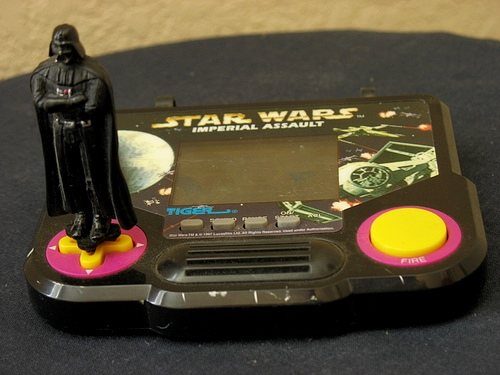
Star Wars - Imperial Assault
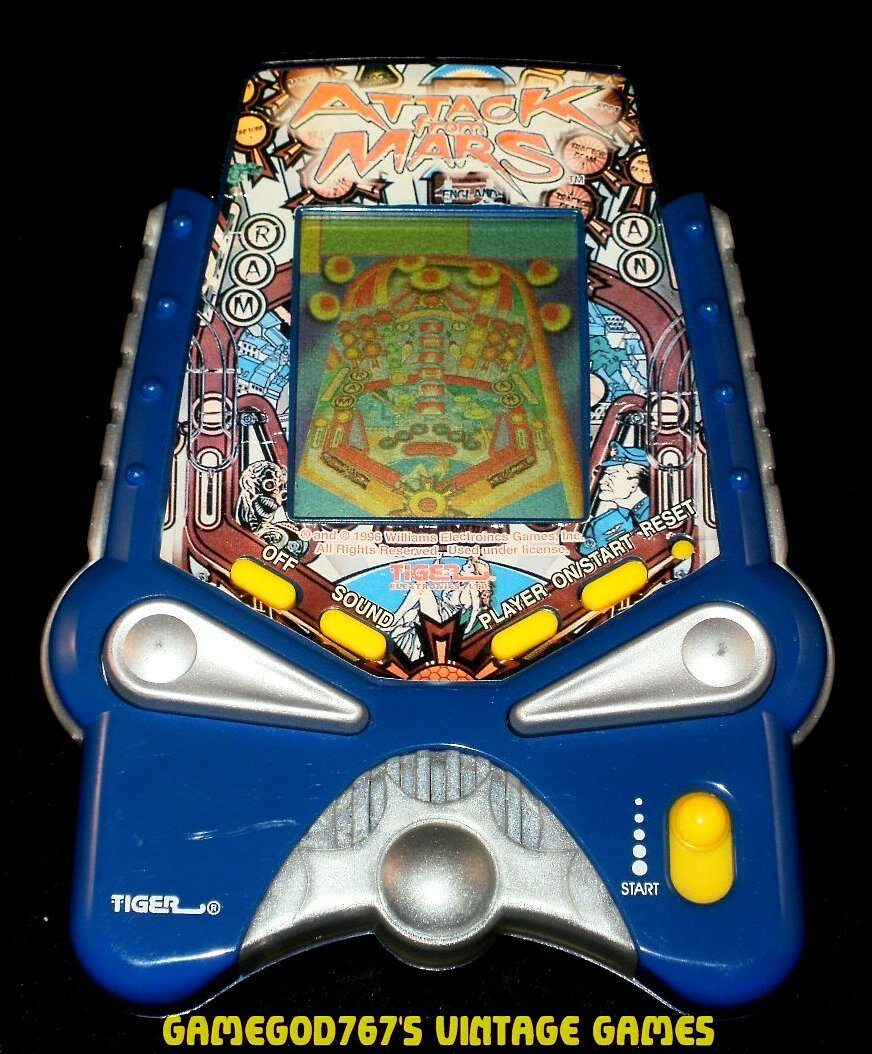
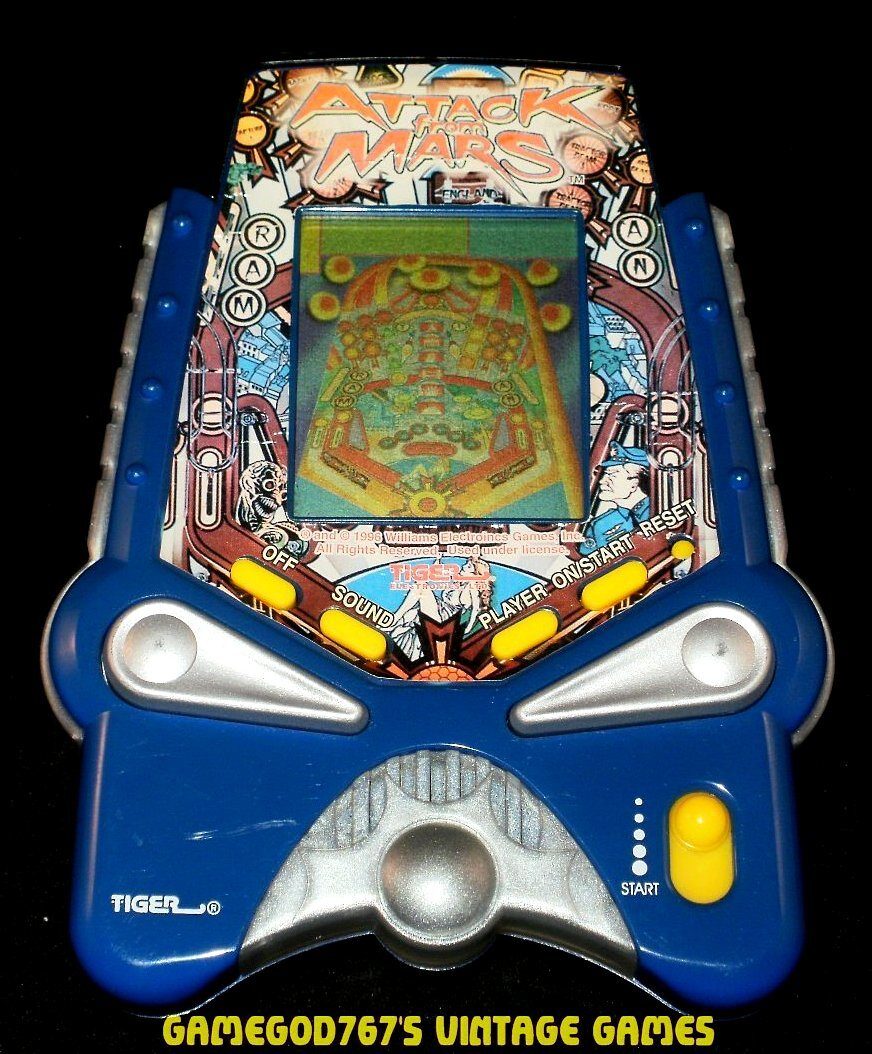
Attack From Mars
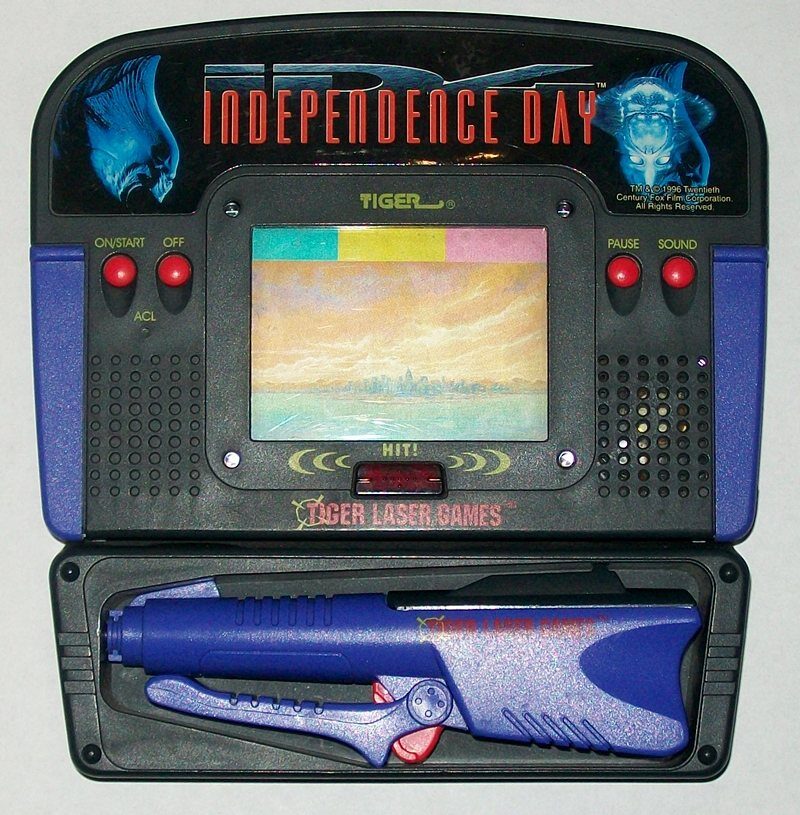
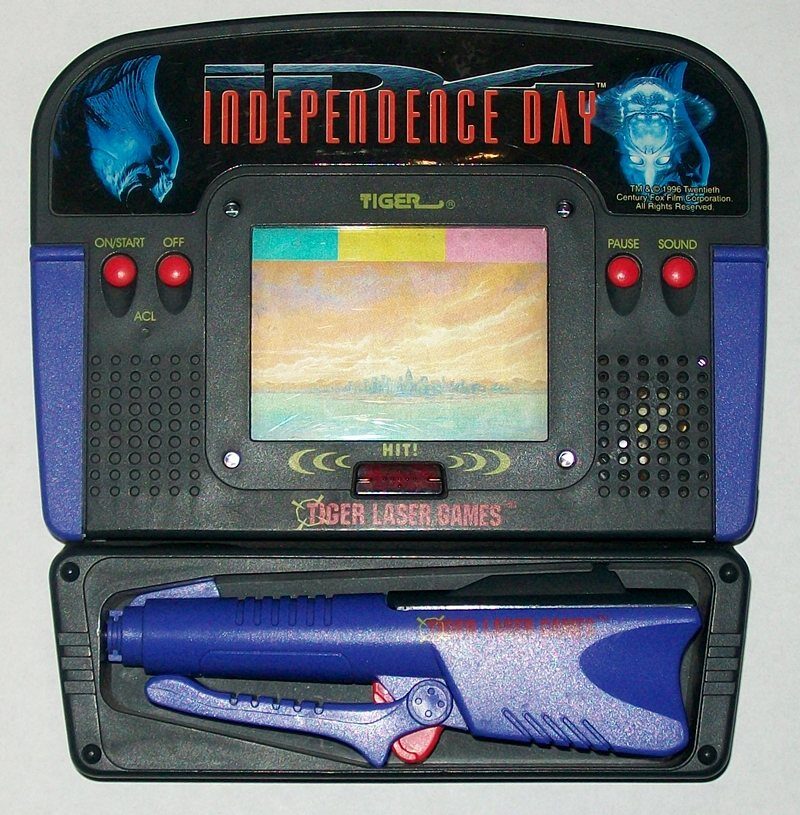
Independence Day
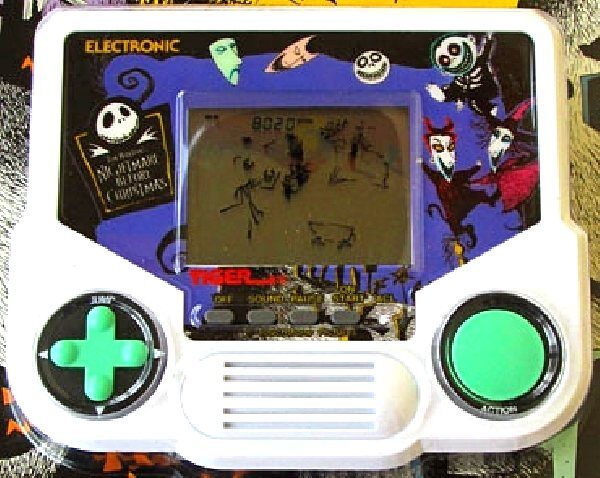
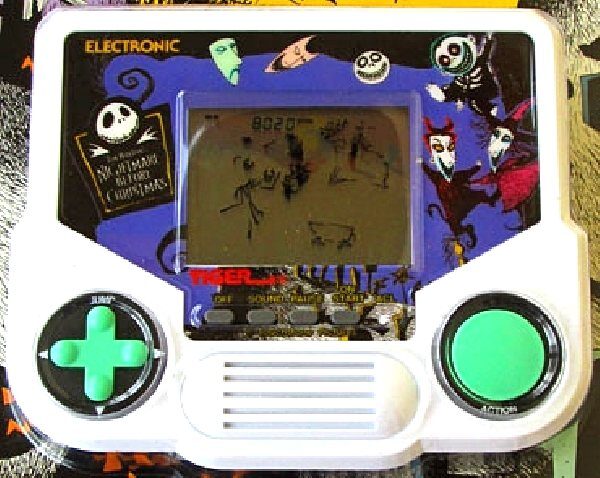
Nightmare Before Christmas
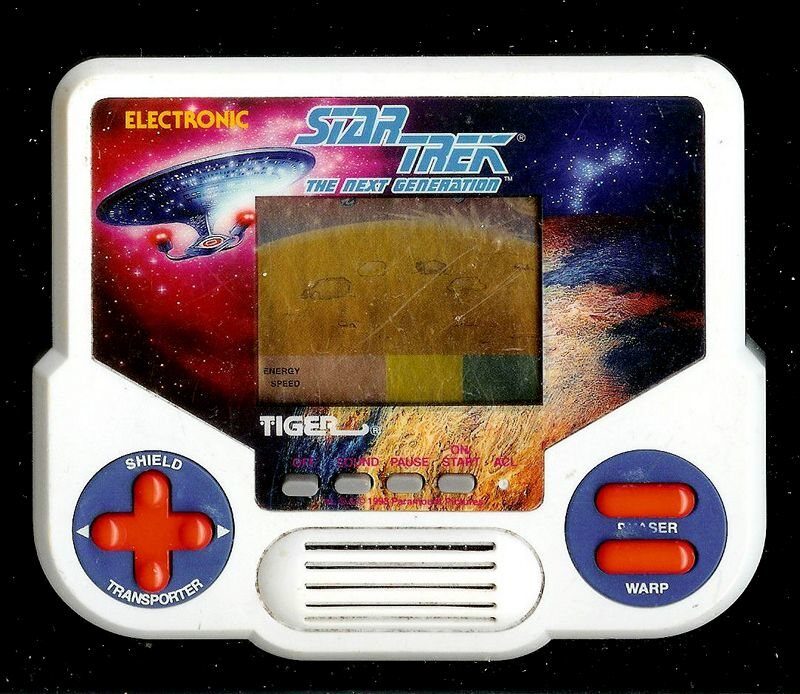
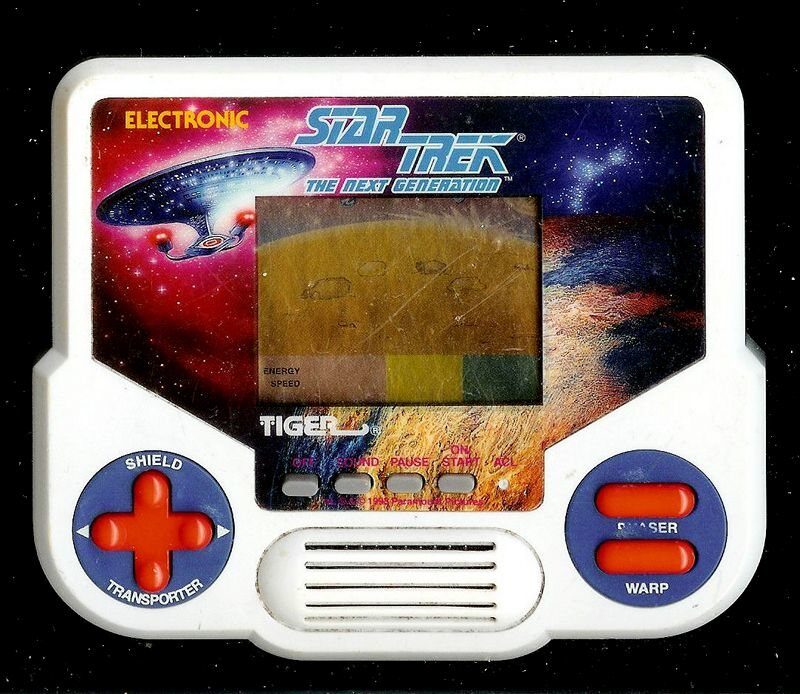
Star Trek - The Next Generation
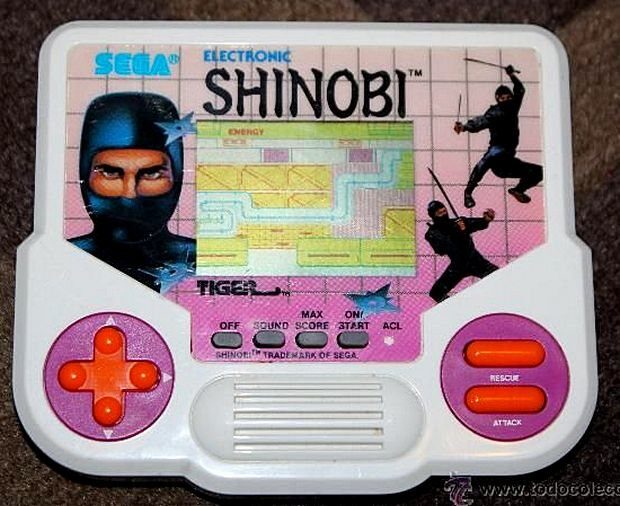
Shinobi
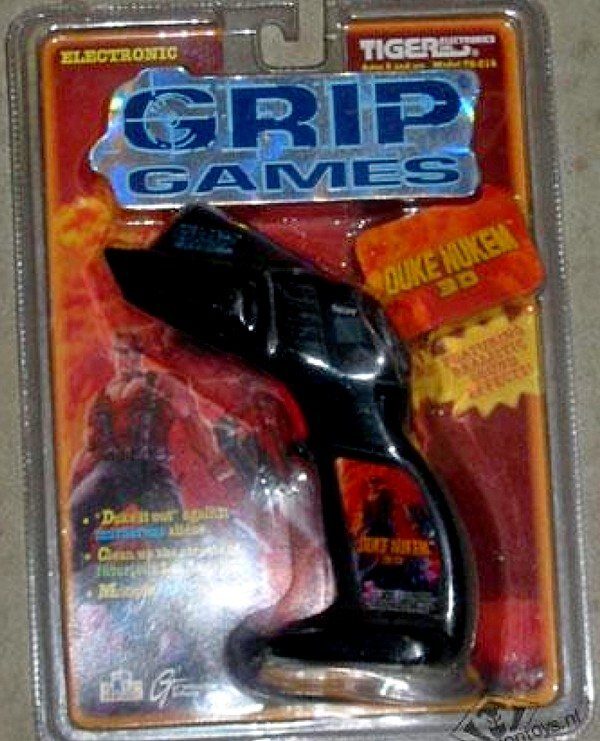
Duke Nukem 3D
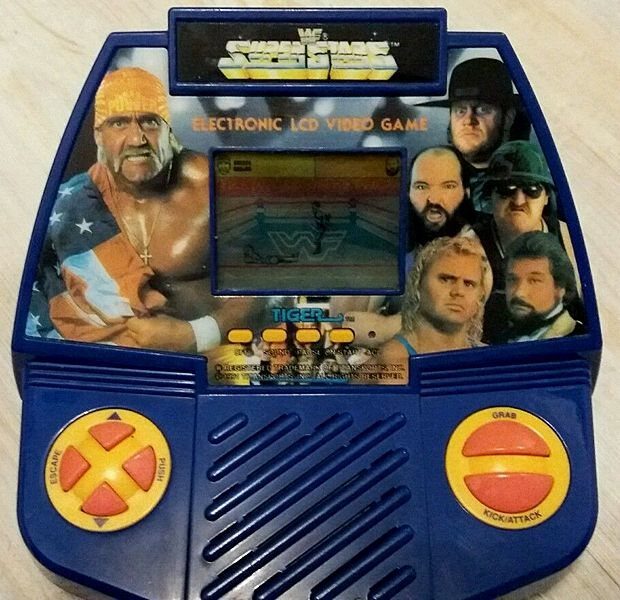
WWF Superstars
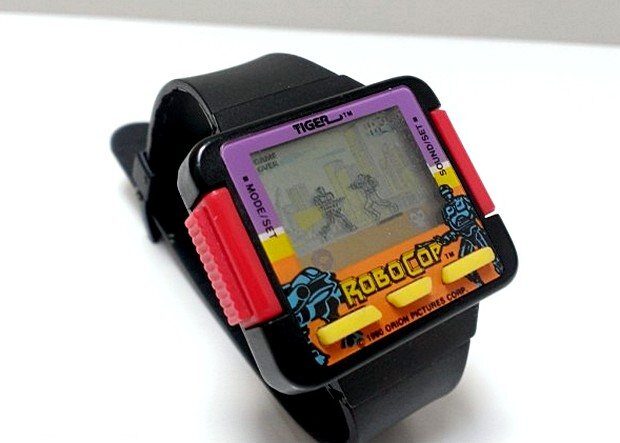
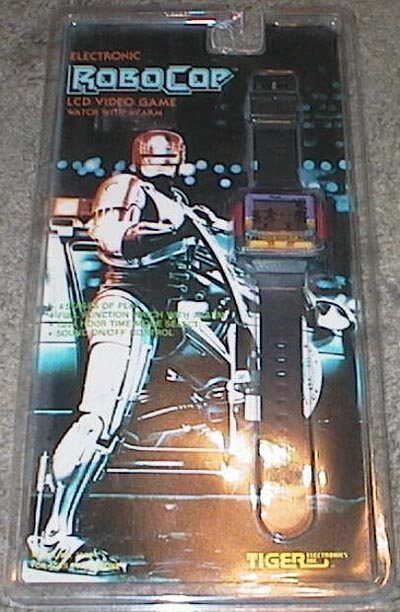
Robocop Watch