
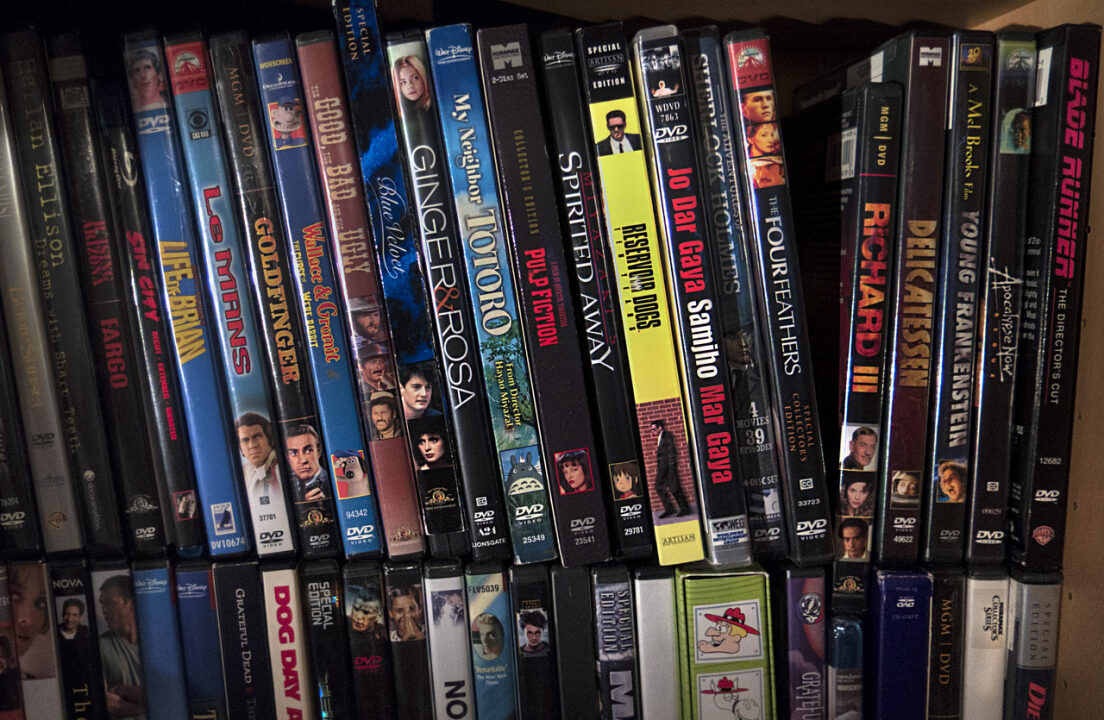
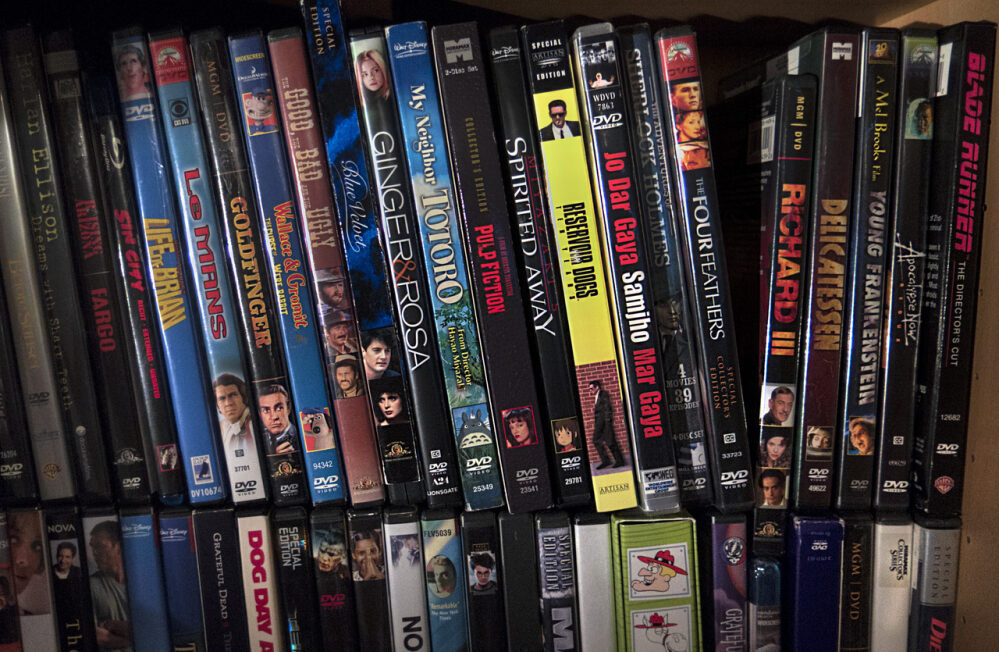
Every video game enthusiast has wondered, sooner or later, “what will happen to my games if X service disappears?” Based on what we've seen so far, the answer is far from ideal, and it also affects those who buy music, movies, or seasons of series on different platforms. Jeff Geerling's latest video reminds us that the concept of “ownership” has changed completely in the digital era… and that we need other solutions.
At the beginning of this month, PlayStation Store users received some rather unpleasant news: All content belonging to Discovery (technically Warner Bros. Discovery) will be removed from the platform on December 31. This affects more than 1,300 seasons(!), but it's not just a catalog adjustment. Those who paid and transferred the content to new devices at the time will see it removed from their media library, forever.
The PlayStation Store stopped selling series and movies in March 2021, but if someone actually paid for classics like American Chopper or MythBusters, they will lose that content within weeks. All Sony said about it was “content licensing agreements”, however, it's not hard to imagine that Discovery wants its series and documentaries within its own ecosystem. With that in mind, we come to the latest video published by Jeff Geerling on YouTube, who recently experienced something similar:
The Digital Era: “You'll Pay for Everything, and You Won't Own Anything”
A couple of weeks ago, Jeff was traveling with his kids, and asked them what music they wanted to hear. The children favored Ladybug Music, but when searching for their music on Apple Music, he discovered that all the songs were blocked, under the label “Not available in your country or region”.
Jeff confirmed through the official Ladybug Music page that all their content ended up behind a paywall of $3,000 (as a licensing fee). While there are some free songs online and the occasional used CD, the only option is to enter their private garden.
The real problem is twofold: either there are no mechanisms to acquire “and” retain content legally, or we “rent” and accept the fact that the distributor can pull the plug whenever they please (whether due to licenses, tax benefits, or other reasons).
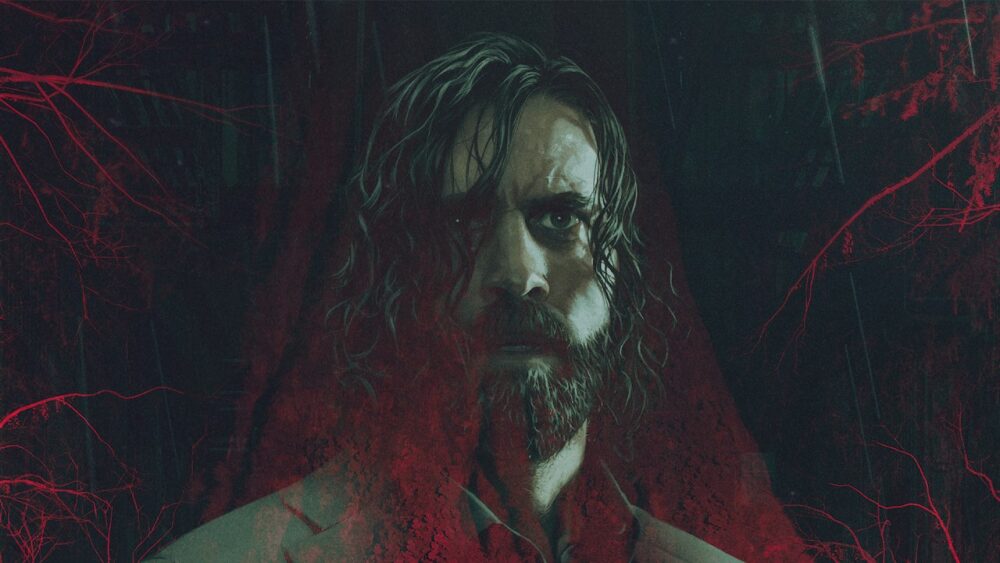
Needless to say, games are not immune. A recent example is Alan Wake II, which lacks a physical release. It's a single-player title, and not necessarily cheap. What will happen to those copies if Epic bites the dust in the future?
Unfortunately, everything suggests the situation will get worse before it gets better, but there is a desire for change in the air. Christopher Nolan has recommended that the public acquire a physical copy of Oppenheimer on Blu-ray so that “no evil streaming service” can steal it, and more people are returning to that format. In the case of games, GOG remains the exception, offering offline installers.
In summary, an internet phrase says: “You'll pay for everything and you won't own anything.” But users want something else.
(Editor's note: The image belongs to Robert Couse-Baker, CC BY 2.0)


