
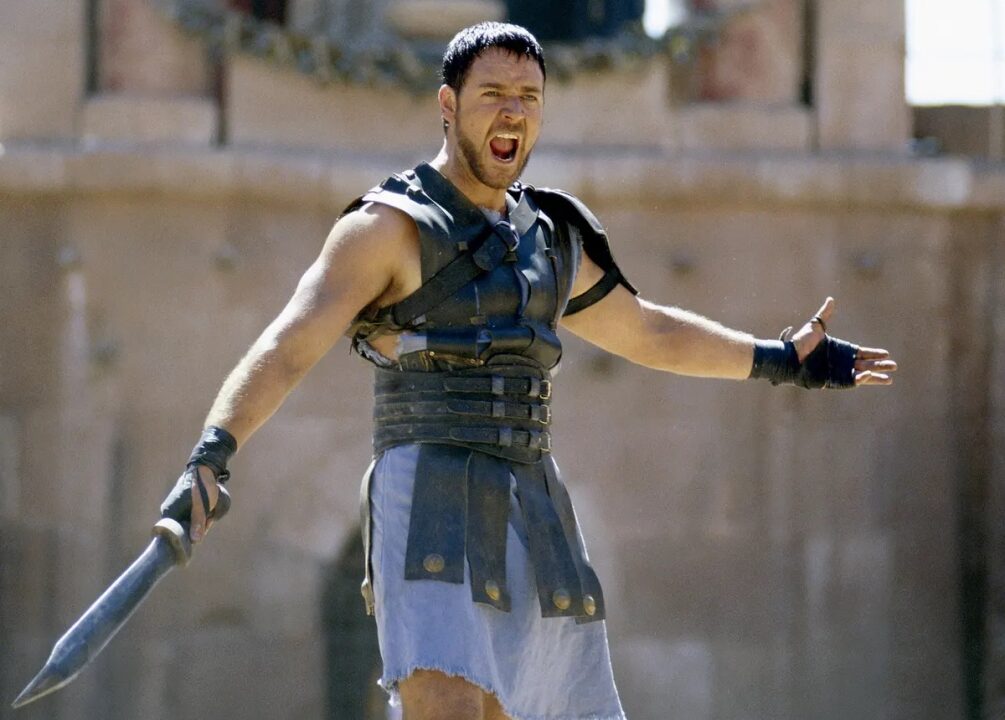
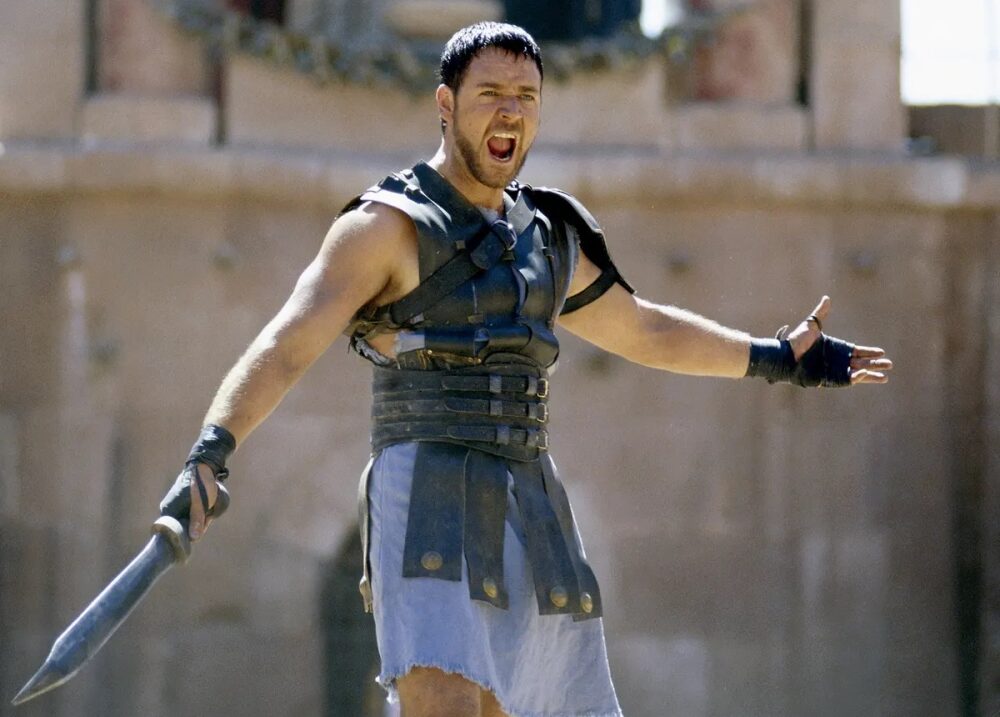
Memory serves us well: At the end of Gladiator, Maximus Decimus Meridius falls dead in the arena like a tree, and is carried away by his allies. The end, $465 million, a cult film, and one of Ridley Scott's best. However, the possibility of a sequel was considered more than once. During that exploration, Australian singer, songwriter, and screenwriter Nick Cave was commissioned to write the script for Gladiator 2, and the final result is a fantastic story in which Maximus revives, meets his son (also revived), and becomes an ally of the Christians. We are not making this up.
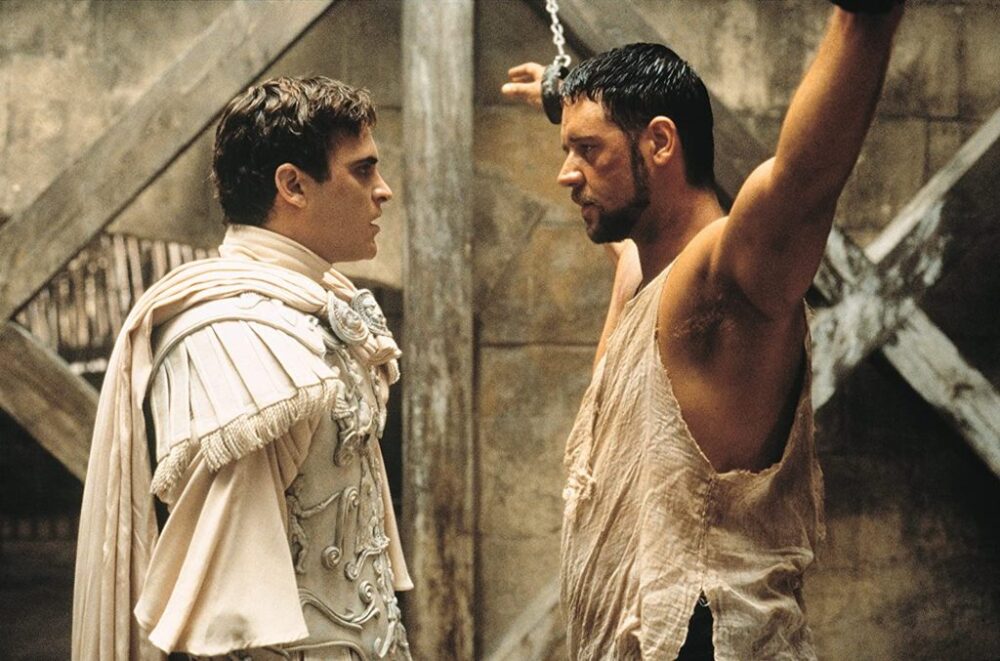
Gladiator versus emperor, slave versus ruler, vengeance versus madness. Russell Crowe and Joaquin Phoenix impeccable, a hellish shoot, Oliver Reed dead in a challenge of pure alcohol... Gladiator continues to go around the world twenty years after its big-screen debut. From time to time, some local channel takes the gamble of airing its 155 minutes uncut, earning several rating points in the process, but I haven't seen any station brave enough to show the extended version.
The film starts, and ends. Without doubt or ambiguity, despite a script assembled like Frankenstein's monster and a huge dose of improvisation (Crowe himself admitted they started shooting with only 21 pages). But barely a year after its release, the idea arose to expand its story with a prequel, or a sequel. Some hypotheses placed a couple of chips on Lucius, the son of Lucilla, turned into a gladiator. However... others planned to bring Maximus back to life.
Gladiator 2: The Sequel to Gladiator That Never Was
https://www.scribd.com/doc/39980725/Gladiator-2-by-Nick-CaveThe task fell to Australian singer, songwriter, and screenwriter Nick Cave, also known for the scripts of The Proposition and Lawless. The main goal was to "resolve" Maximus's death, allowing a second participation from Crowe. The use of a fantastic resource for his resurrection was guaranteed... but no one expected such a script.
It all begins with Maximus waking up in the other world, but he doesn't reach the Elysian Fields; instead, he appears in a depressing wasteland where it always rains. With the help of Mordecai, a kind of "underworld bailiff", Maximus visits a temple where he finds the Roman gods, decadent and decrepit. Jupiter proposes a deal to Maximus: He must hunt and kill Hephaestus (technically Vulcan), who has become a kind of apostle for a "new god" that drains his powers. The reward? Reuniting with his wife and son.
Maximus, the Immortal Warrior
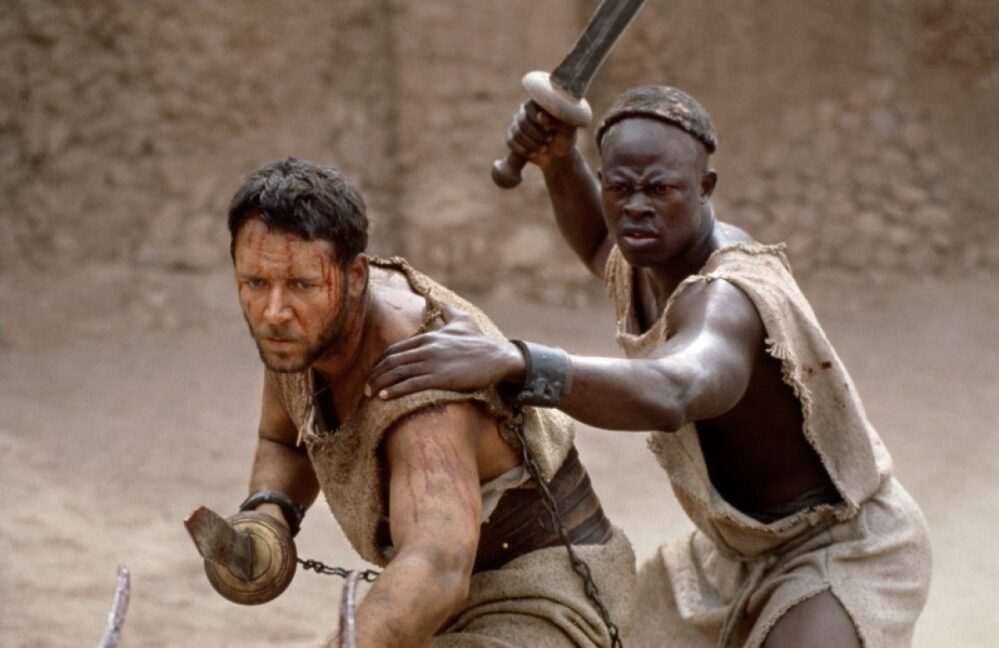
The script continues with Maximus discovering that his son was revived (his mother sacrificed her place in the fields so he could return), and that Lucius has become a being even more ruthless than his uncle, hunting Christians. Maximus meets his son (now an adult of Christian faith), reunites with Juba, the emperor complains because a lightning bolt struck one of his giraffes (!), and the great conflict closes with a great battle between 200 Christians, led by Maximus and Juba, against Lucius and 400 Roman soldiers.
How does the movie end? By allying with the Christians, Maximus is condemned to immortality, so he ends up fighting in the Crusades, in World War II, and in the Vietnam War. The last scene shows him... as a Pentagon agent.
If all this seems too little, then you should know that Nick Cave developed the script under a title called "Christ Killer", "The Killer of Christ", and in that initial draft, Maximus returned with the goal of killing Christ and his disciples. All horribly wonderful. Apparently, Cave only received from Crowe the phrase "I don't like it, friend", but he didn't take it too much to heart, because he later admitted that he enjoyed writing the script "knowing at every level it would never be filmed". The emperor complaining about an electrocuted giraffe? Not hard to imagine the laughter...
Source: BBC
Access the script on Scribd: Click here
Another copy in PDF: Click here


