Some people can only take on small DIY projects due to time or budget constraints. Restoring an old piece of furniture, improvising computer cases, repairing and recycling clothes... anything goes as long as it's entertaining. But Peter Sripol decided to go much further and build his own electric ultralight airplane. As if that weren't enough, he documented most of the process on YouTube and already had his first flight test.

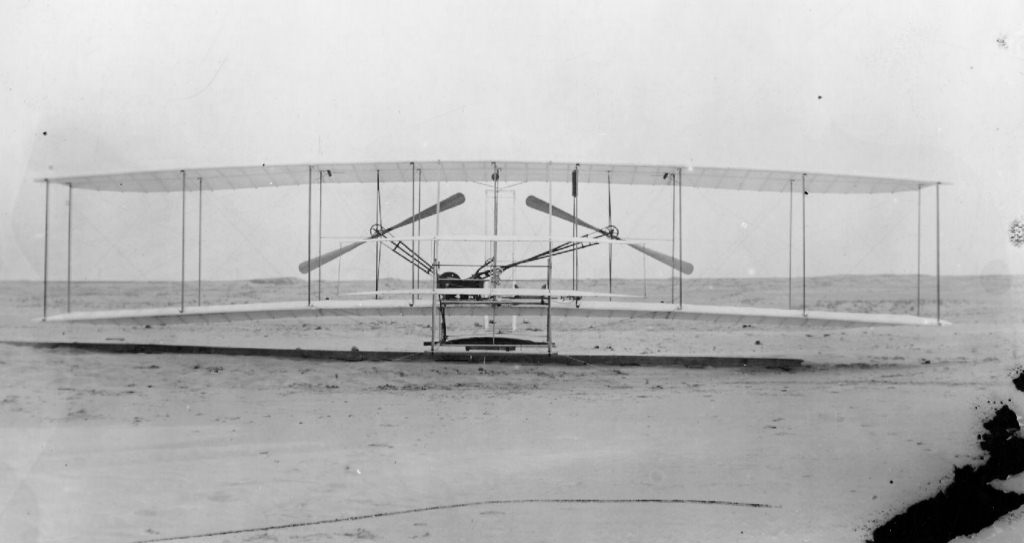
If you look closely at photos of the Wright Flyer 1, the first thing you wonder is how that thing managed to take off. Almost eighty years later, the world saw the F-117, and the question was the same. The feeling is that some aircraft simply shouldn't fly, but with the exact mix of patience and perseverance, they do. Aviation has always had a close relationship with the DIY world, and a good example is found in all those flying car projects, mostly led by engineers and enthusiasts. Then there's the case of the Colomban Cri-Cri, the world's smallest twin-engine aircraft, which can basically be assembled in a garage.
But Peter Sripol operates on a different scale, and by that I mean he is building his own electric ultralight plane. His YouTube channel shows that most of the material (essentially insulation foam) was purchased at stores like Home Depot, with the exception of the fiberglass layers. The two motors were originally designed for radio-controlled planes and are powered by a huge battery pack installed in the nose of the plane.
The best part? It took Peter just a month and a half to build it. Of course, he still has a long list of adjustments to make (he's using duct tape to hold the windshield in place) and he needs some lights. That brings us to the legality of the plane. Can he get in trouble? Technically no, because it qualifies as an ultralight under Part 103 of the US federal code. Next step? Add a ballistic parachute that would allow him to save the plane "and" his life if something goes wrong.