
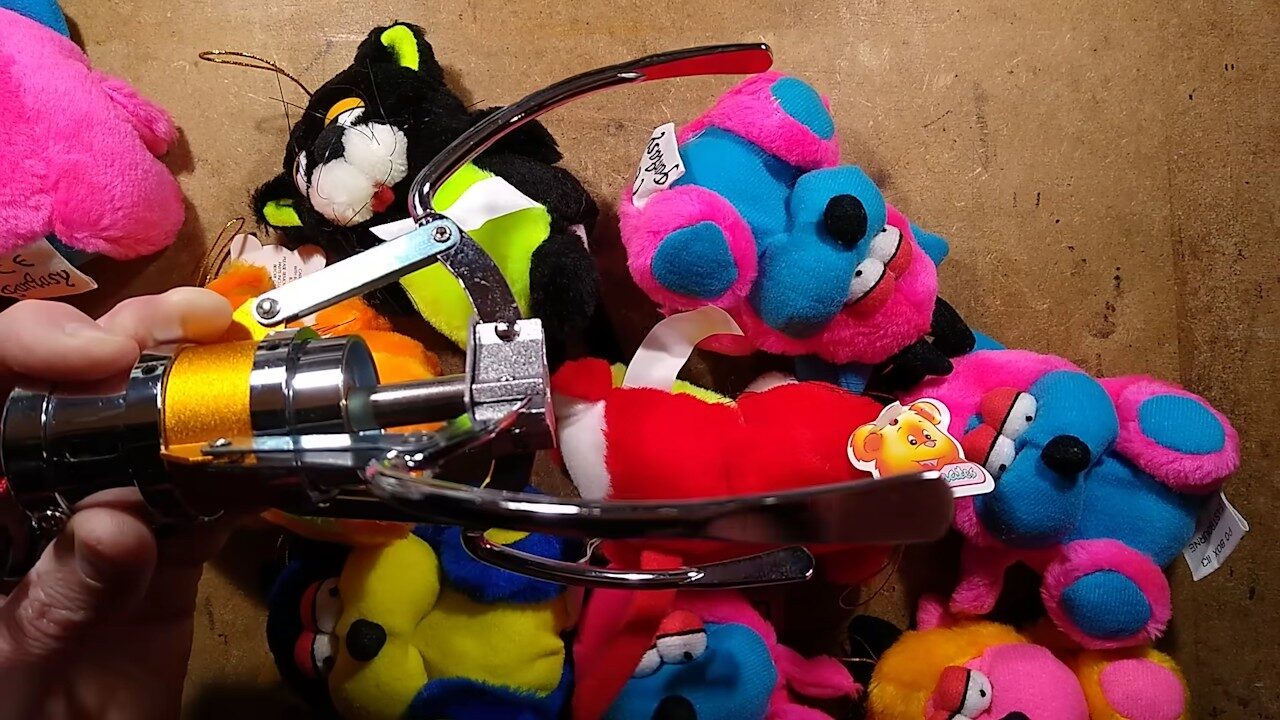
We know they cheat. In fact, sometimes they don't even bother to hide that detail. But claw machines, plush machines, claw machines, or whatever they're called, always make us come back for more. Now, what's the trick? How does the machine get away with it? Clive from the channel 'bigclivedotcom' recently bought a claw machine via AliExpress and disassembled it to expose its secrets…
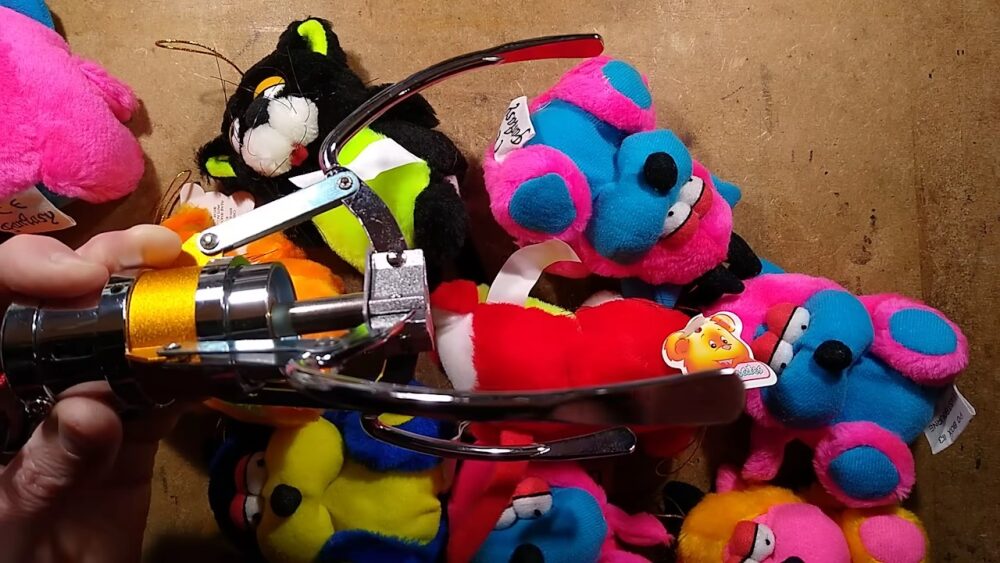
Why is it so hard to win in claw machines? The best thing is to forget all those viral videos circulating on the Web, and remember that the machines are a business. If the player always wins and generates losses in the process, it wouldn't make sense to install them. But just as a casino optimizes the parameters of its slot machines closest to the door so that the 'ding-ding-ding-ding' is heard more frequently from outside, owners have multiple options that alter the claws' behavior.
In reality, our desire is quite simple: put ourselves at the opponent's level, and cheat the machine that 'cheats' us. And it certainly does! What seems like a game of skill on the surface actually has fairly precise programming in the background, just to make the damn claw never fully close. How exactly does that work? Clive from the channel 'bigclivedotcom' explains it:
Why don't the claws of plush machines close?
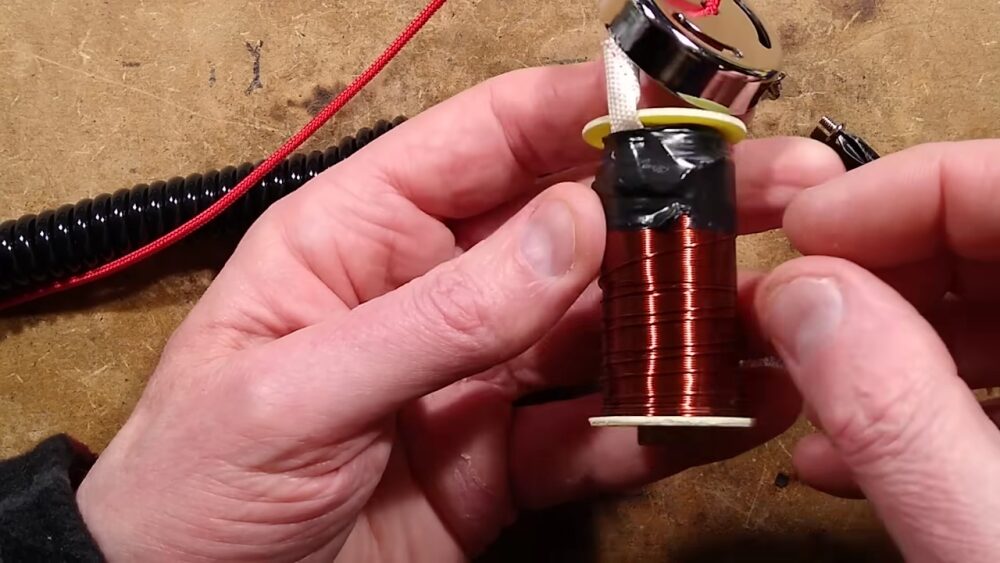
To tell the truth, the construction of the claw is much simpler than it seems. Inside there is a solenoid, and the force of the claw changes depending on the applied voltage. In Clive's claw, 12 volts at 0.5 amps represent the 'weak mode', while 20 volts at 1 amp activate the 'strong mode'. In some models, the voltage can reach 48 volts, and I've seen manuals that talk about 10 volts for the weak claw, or 38 volts for the strong one. Other machines use PWM, and voltage variations are smoother, so to speak.
However, voltage is just the tip of the iceberg. Modern machines (and not so modern) have special conditions that make the experience even more irritating. For example, 'Timing Mode 1' limits the duration of the 'strong claw' after capturing the plush or toy, and 'Timing Mode 2' does something similar but takes as its start the insertion of the coin/token, or the payment of the game. They can also modify the delay in the closing of the claw when it reaches the bottom, and believe it or not, give away games randomly (which nobody activates, of course).
To finish, Clive's video has given rise to all kinds of anecdotes, including one in which they mention machines configured with 'strong claw' for the simple fact that each game was worth one pound sterling, and each plush cost 50 pence. On the other side, they talk about plush toys stuck to the bottom of the machine with velcro so that the larger ones never come out as prizes…


