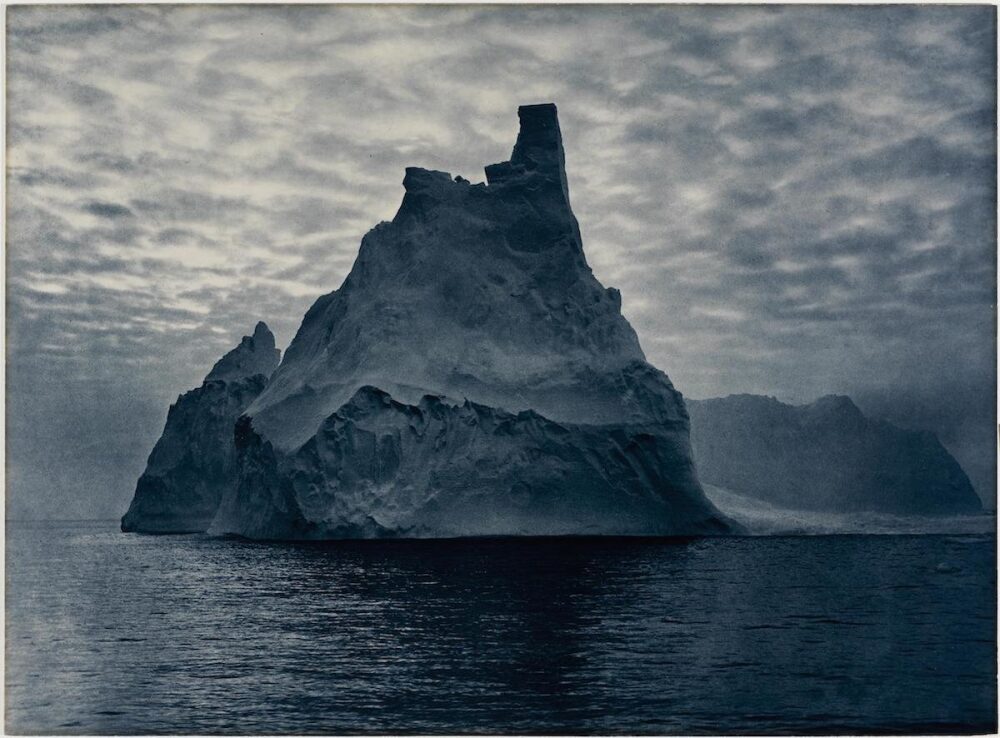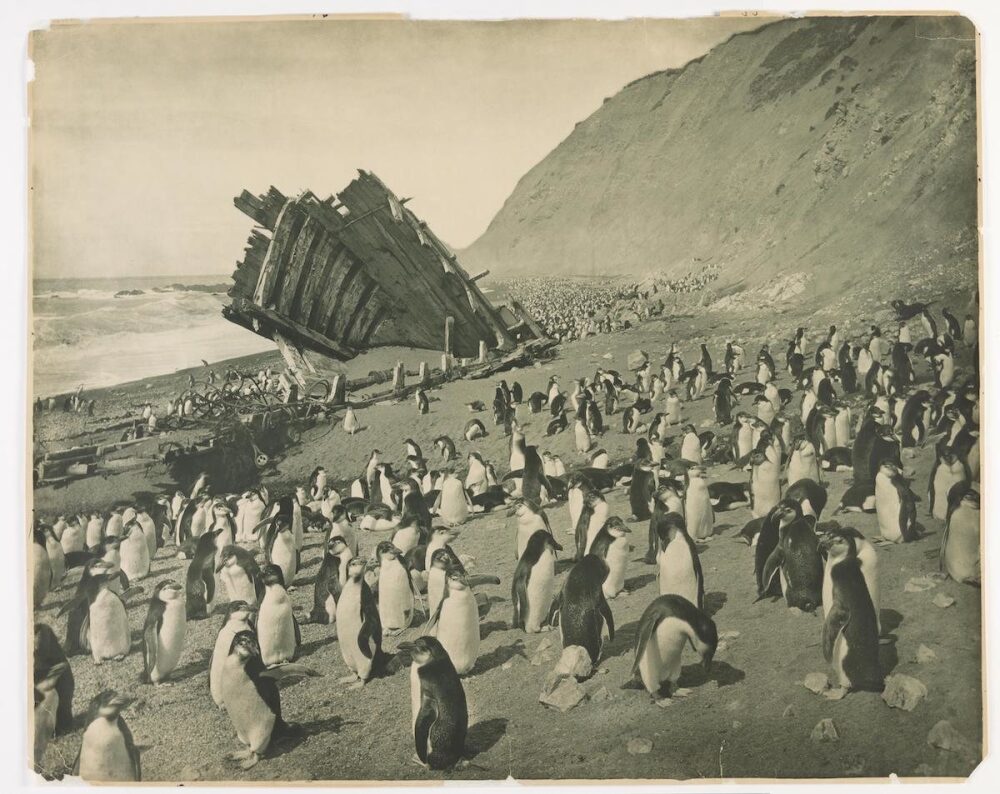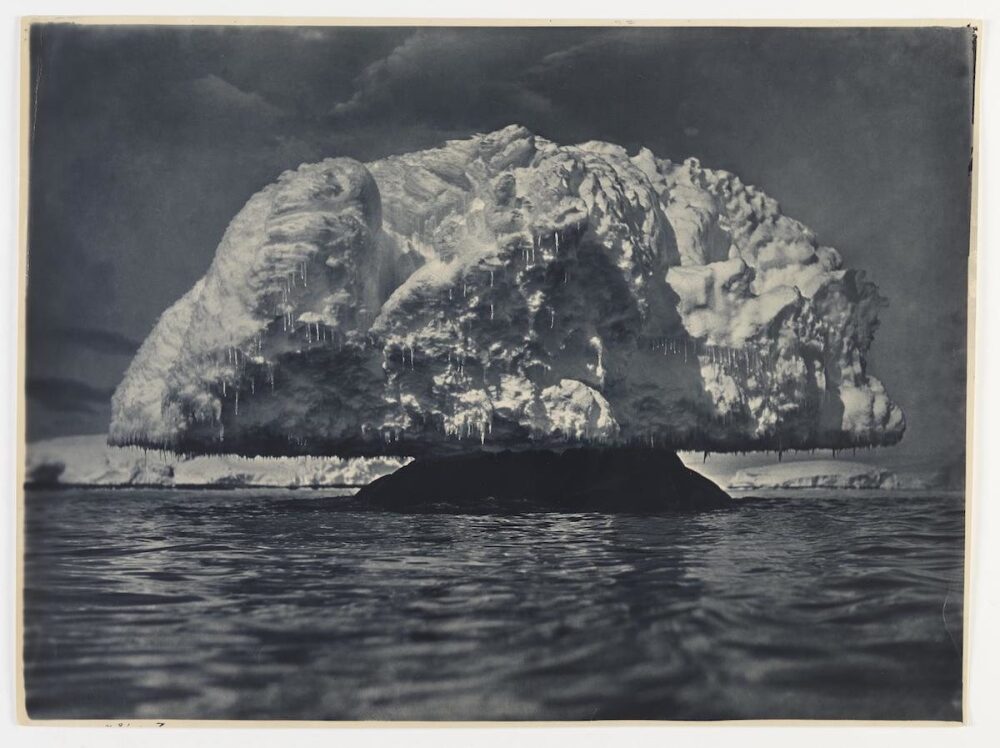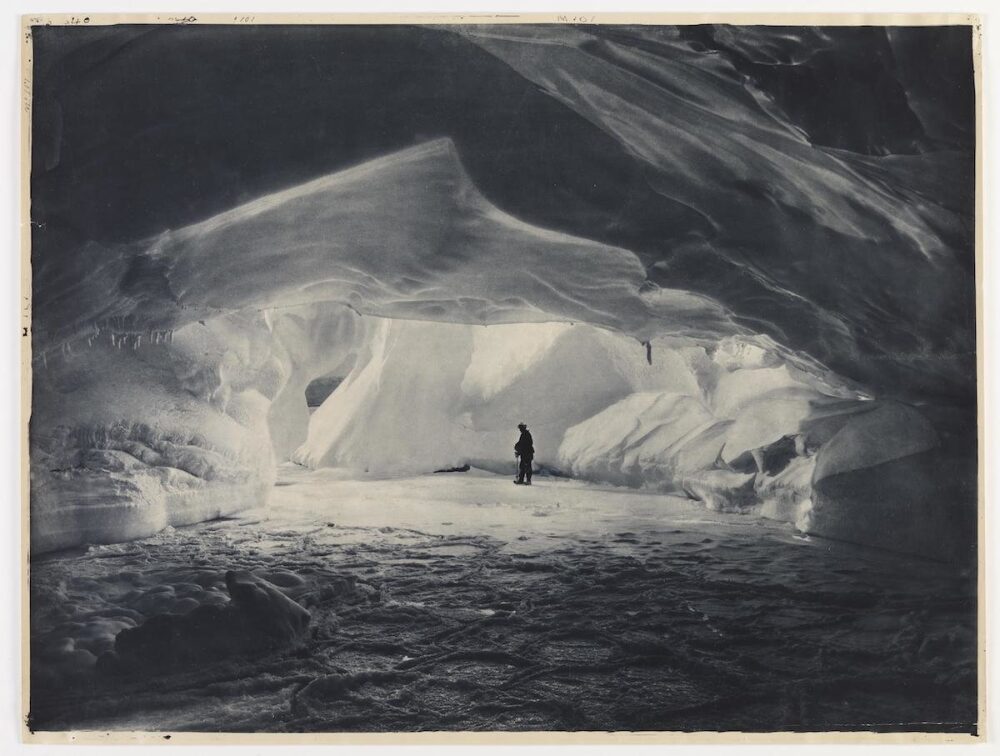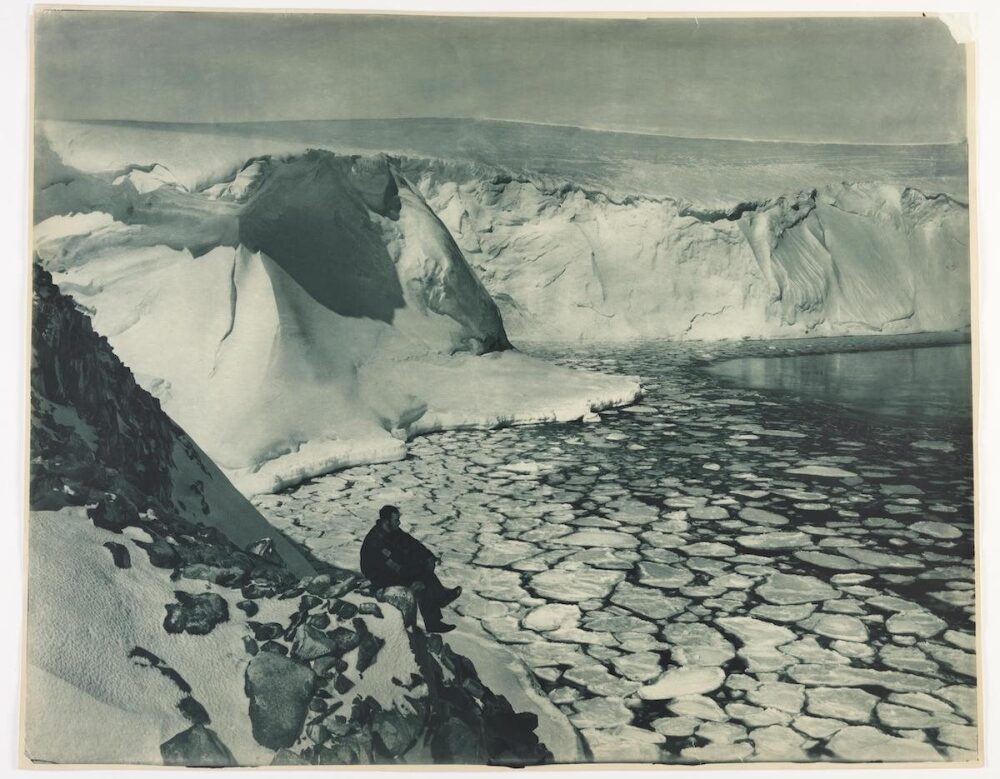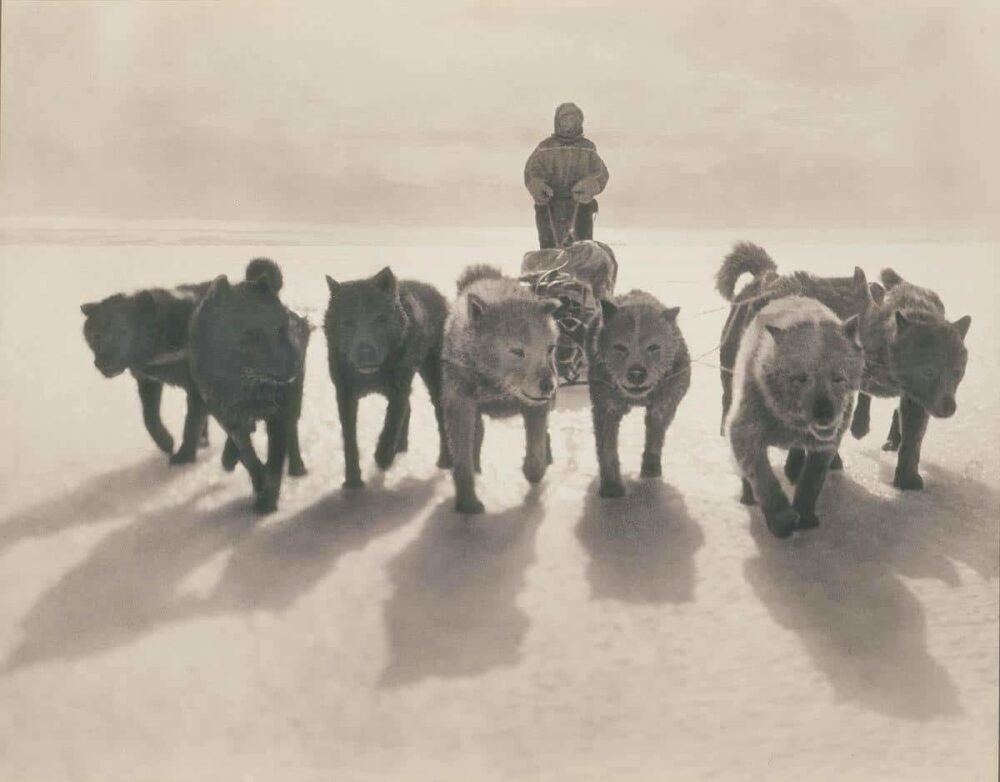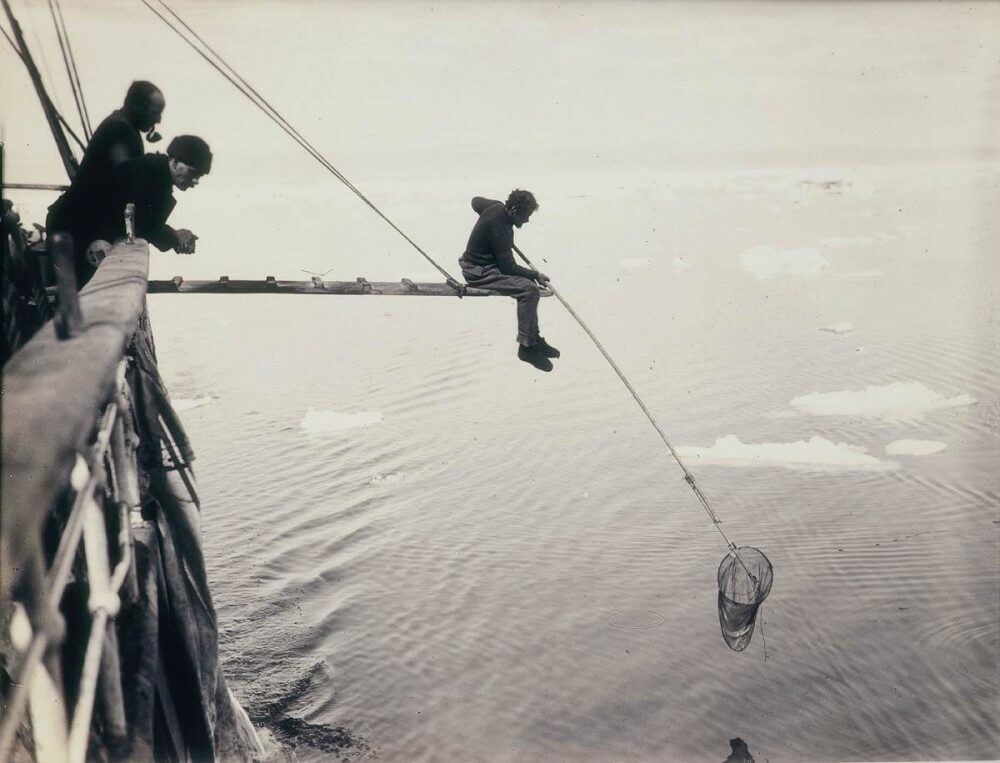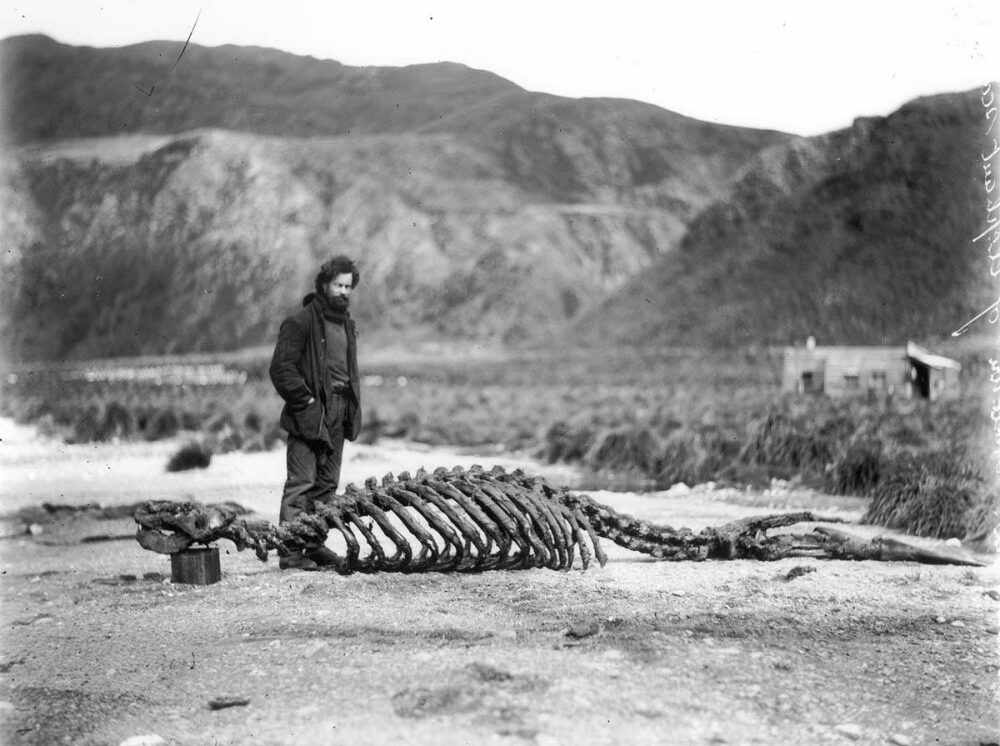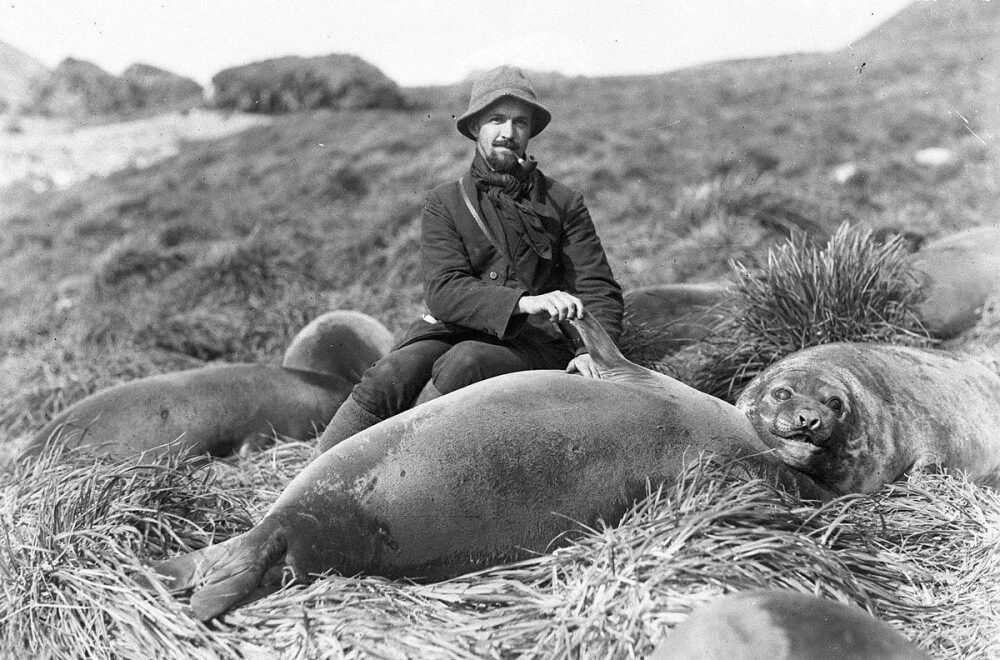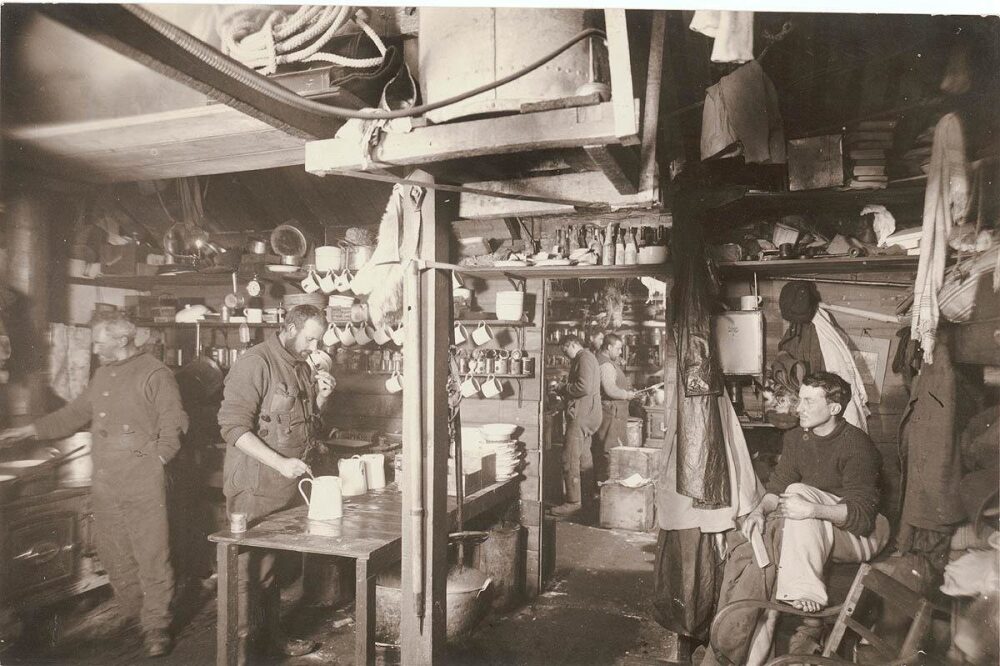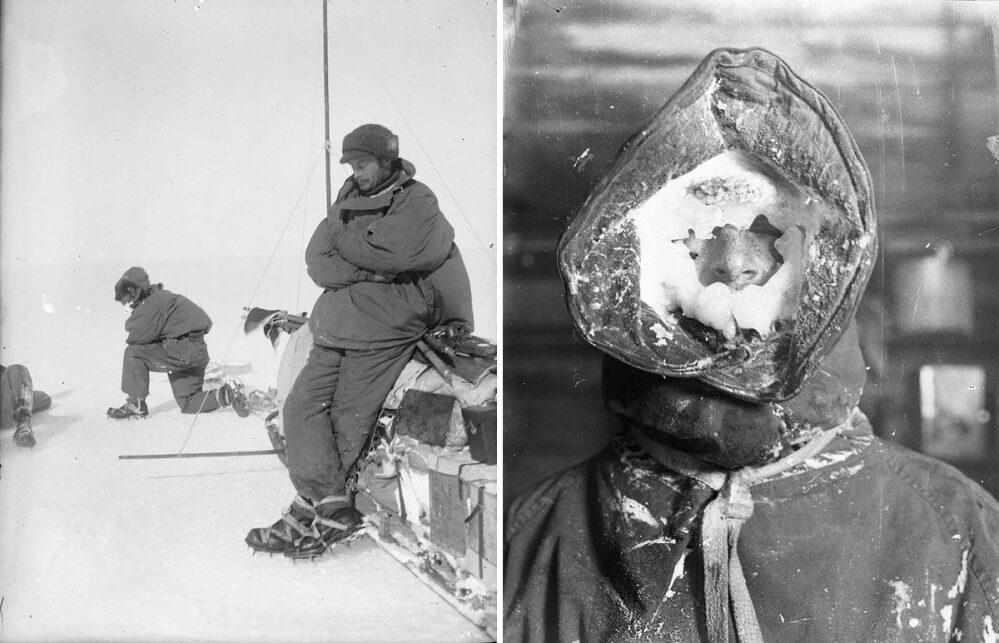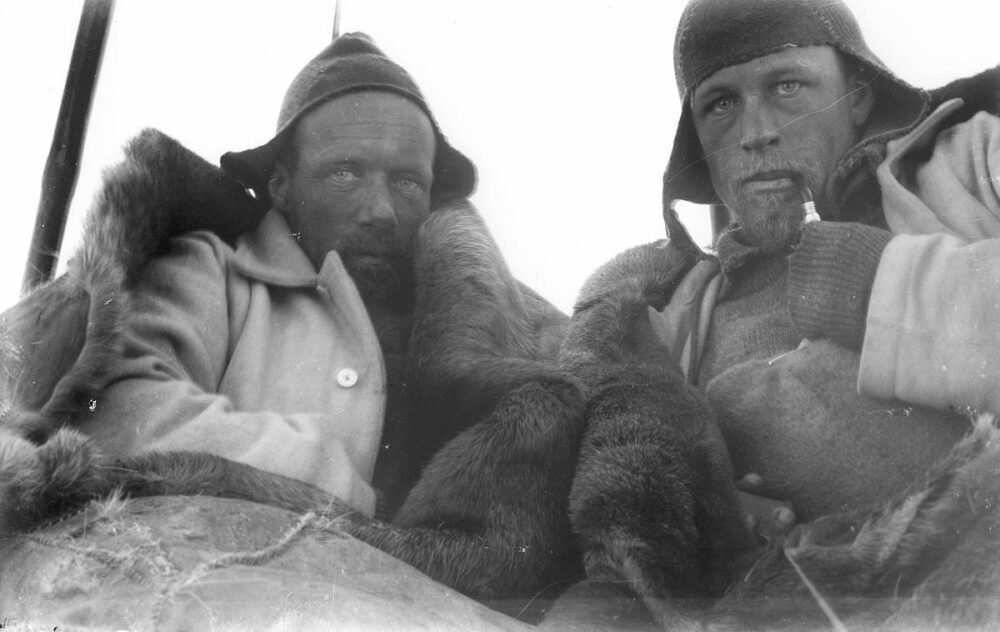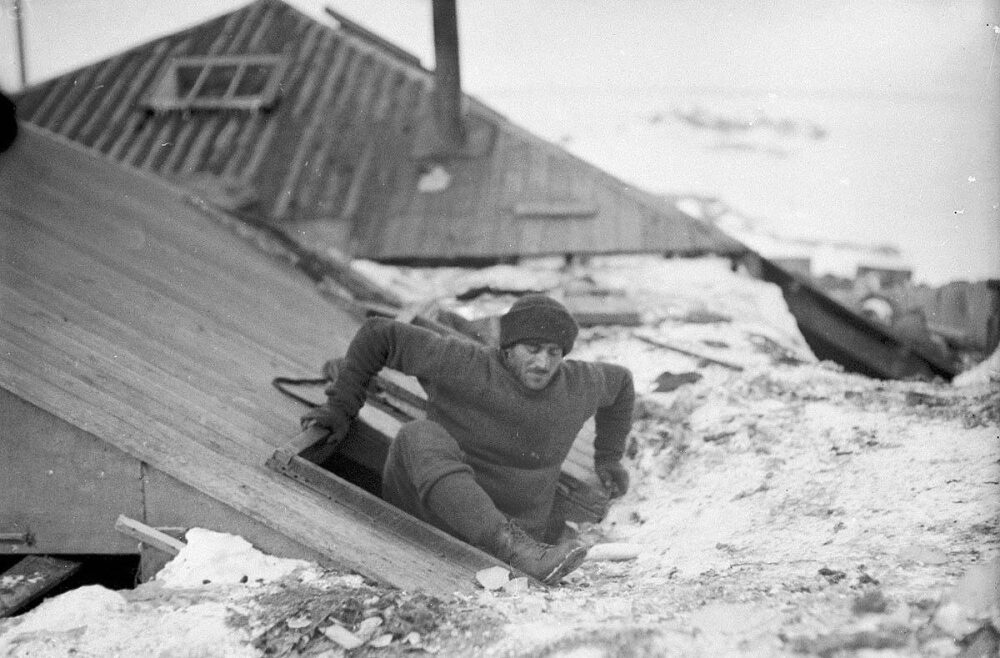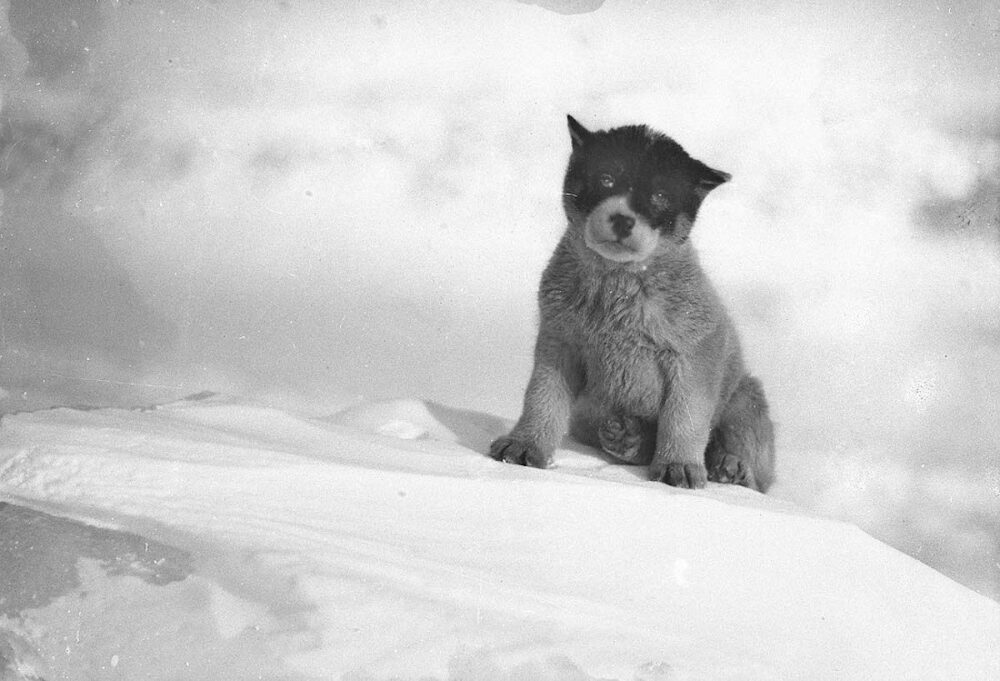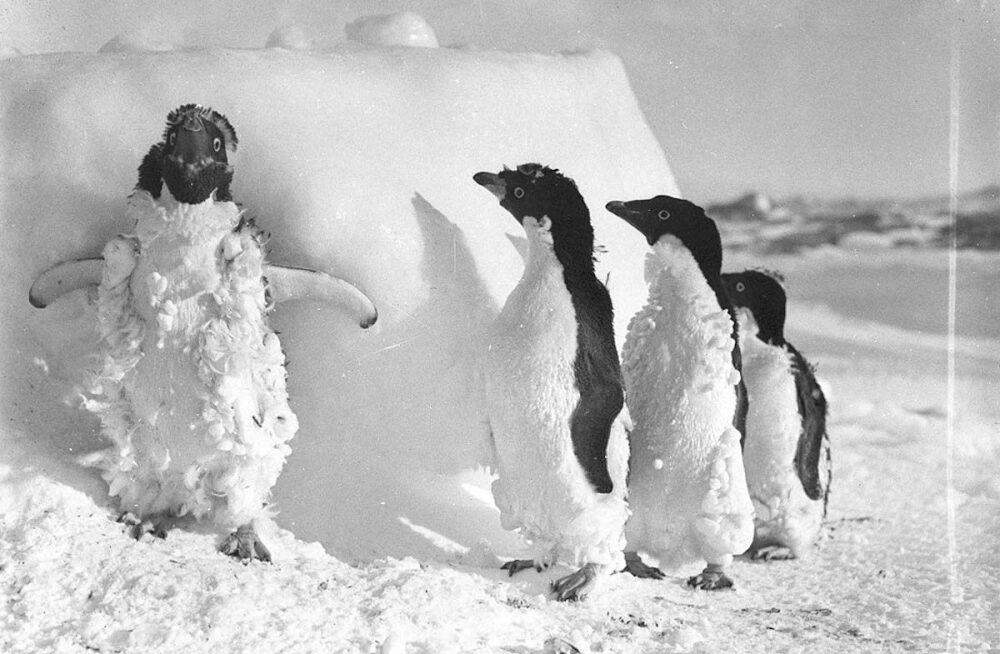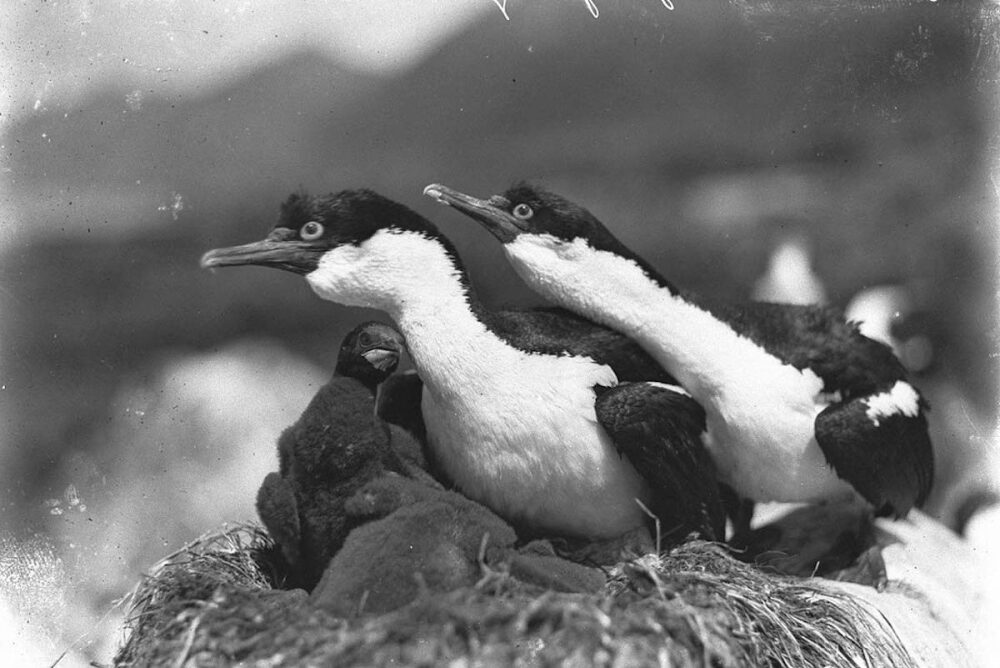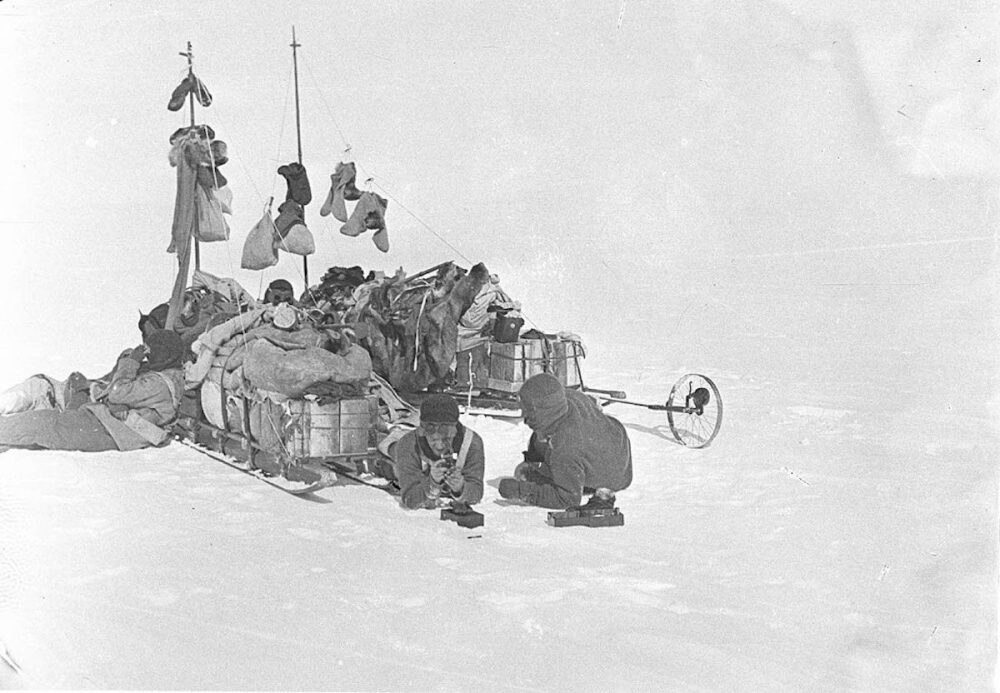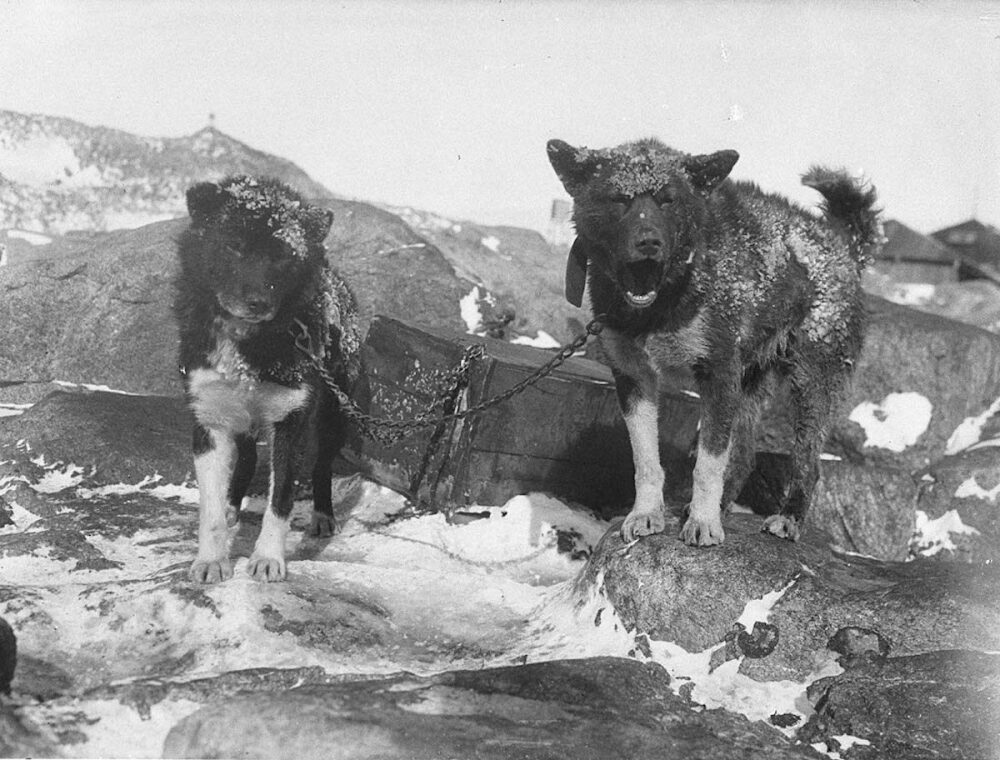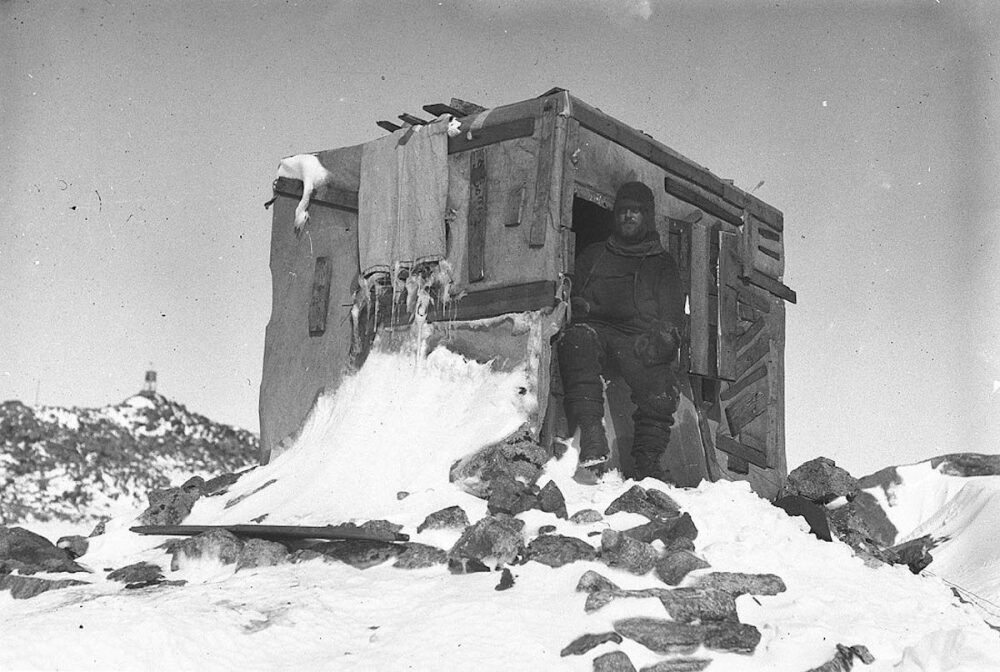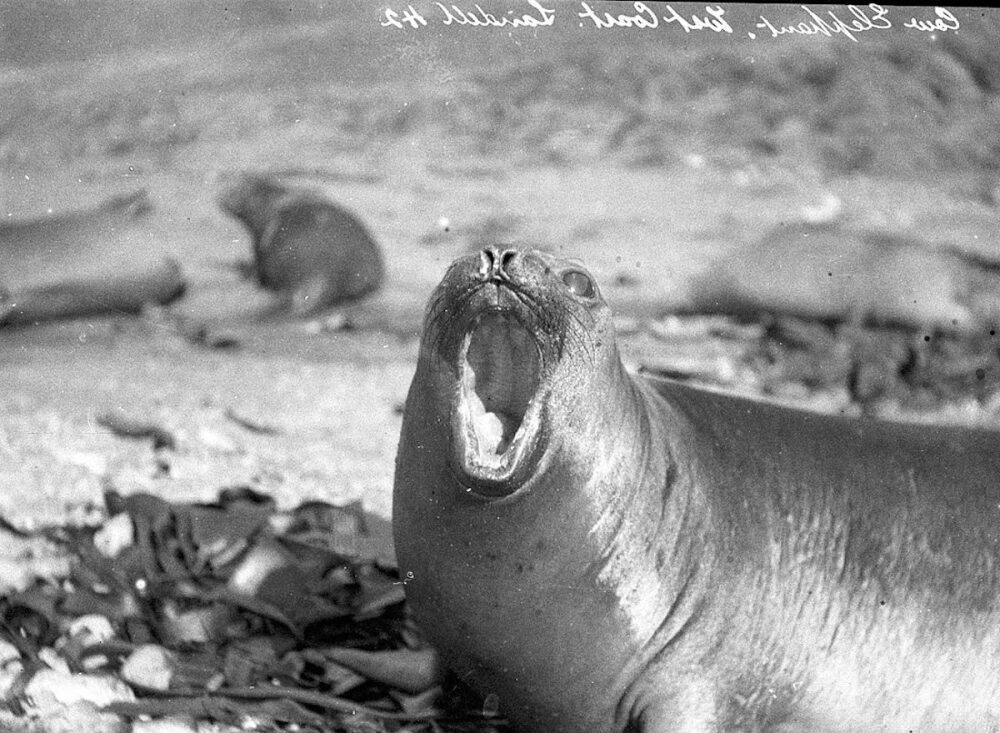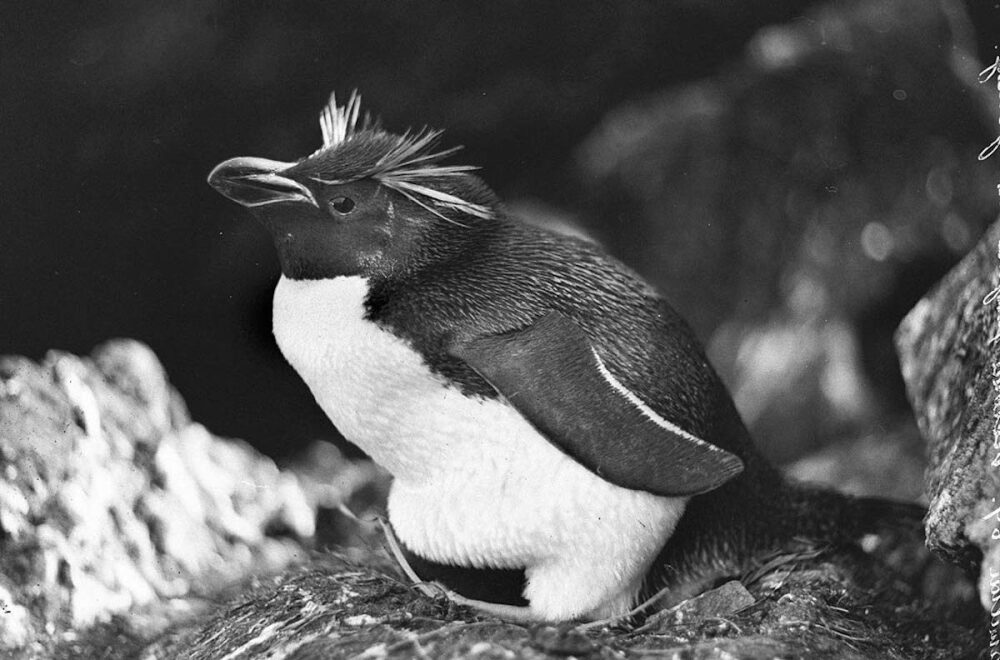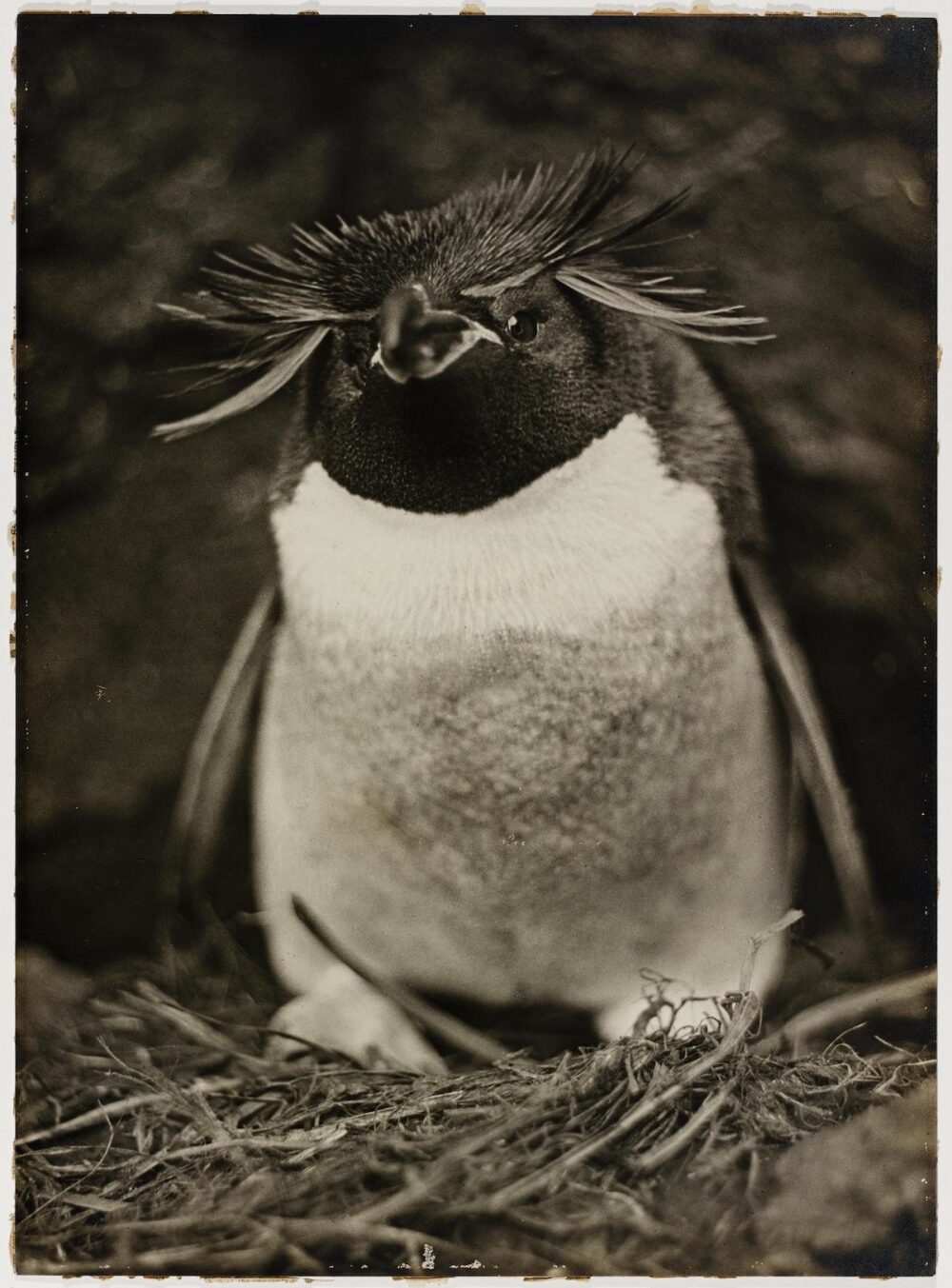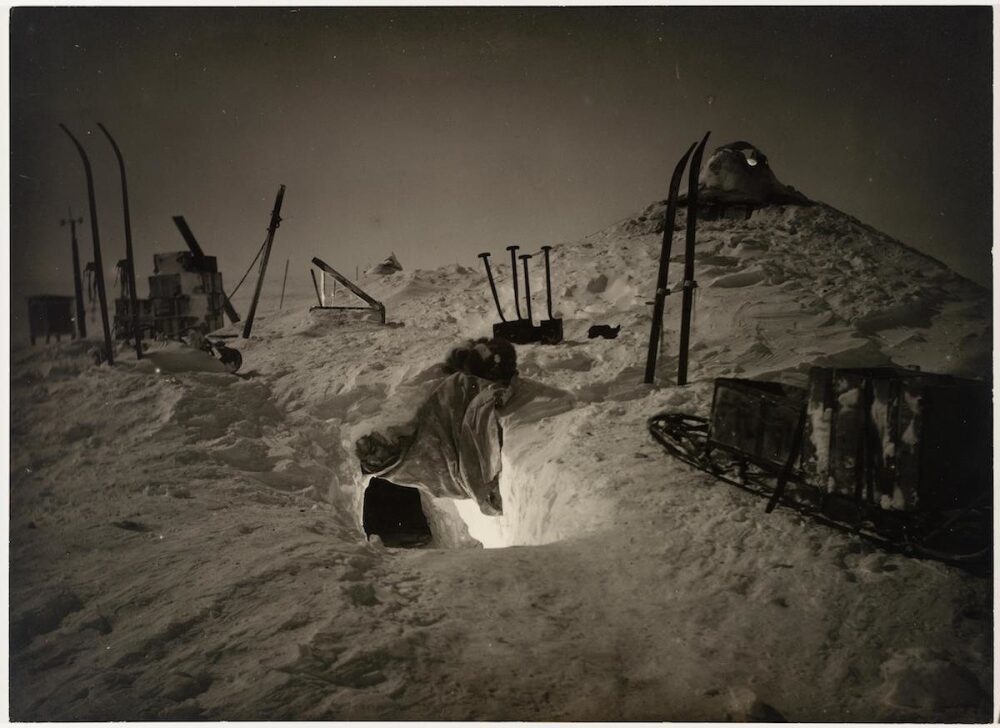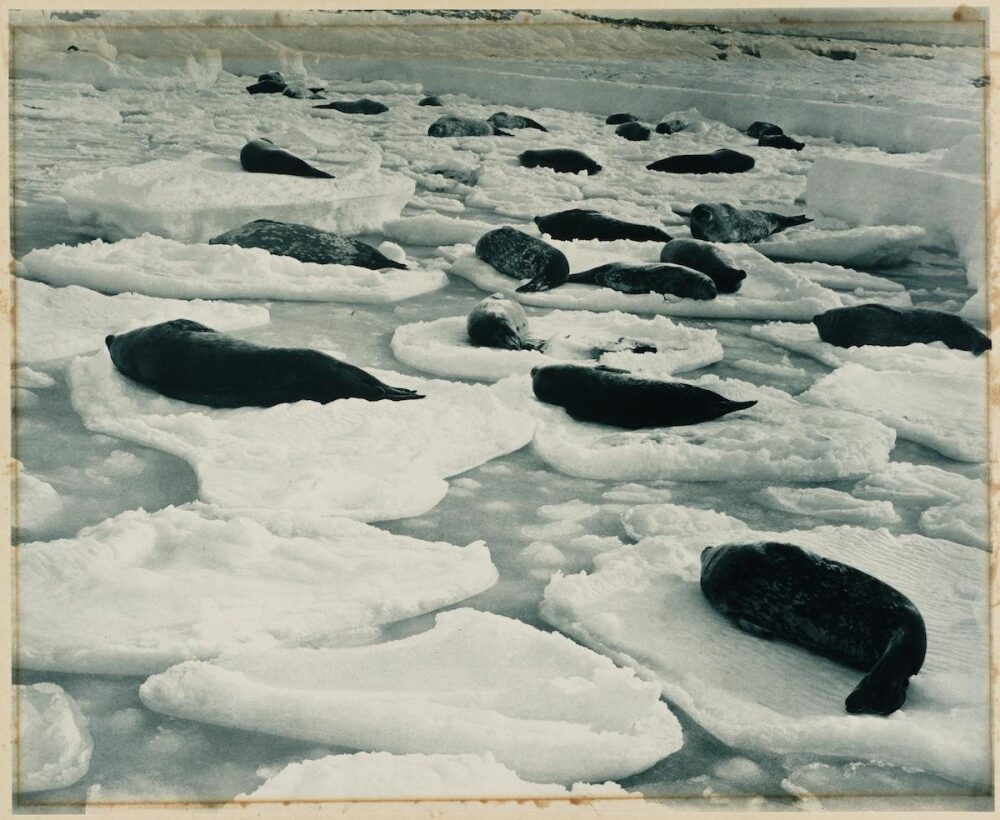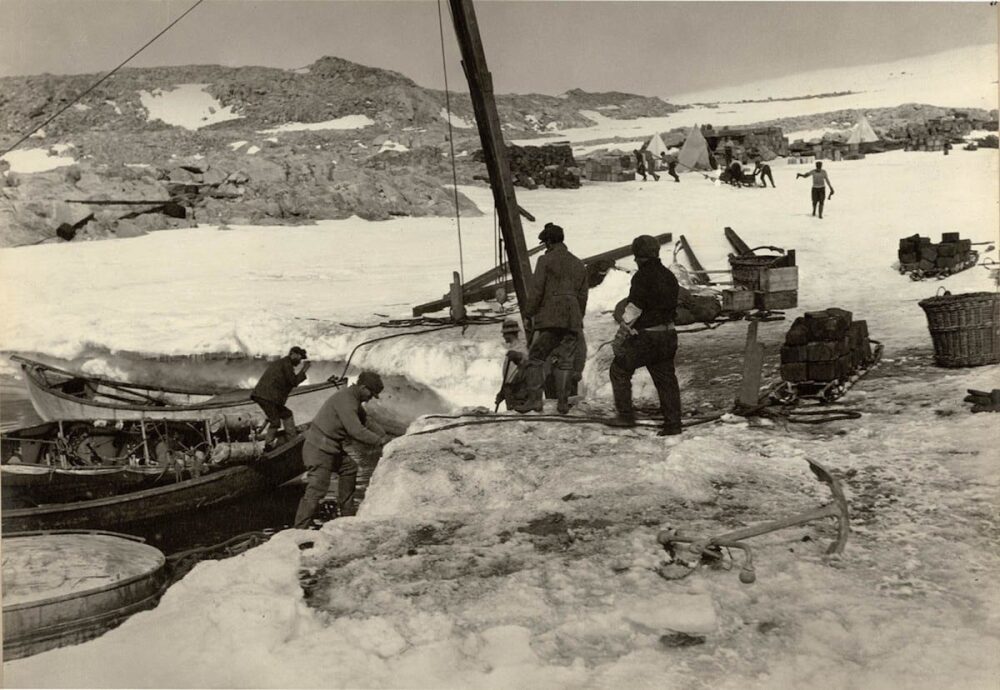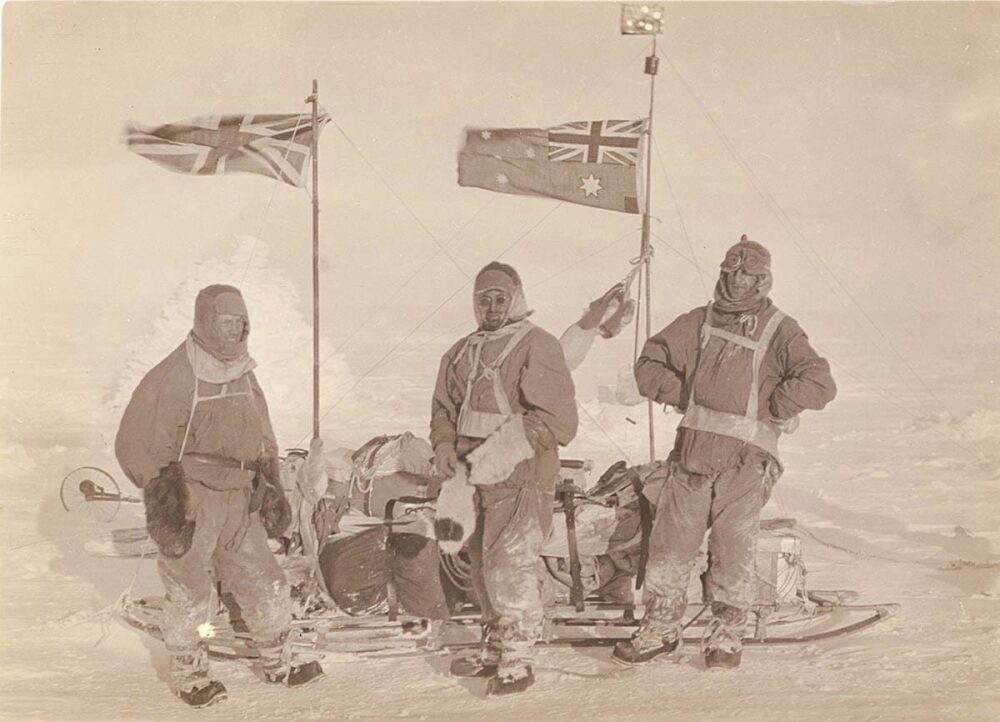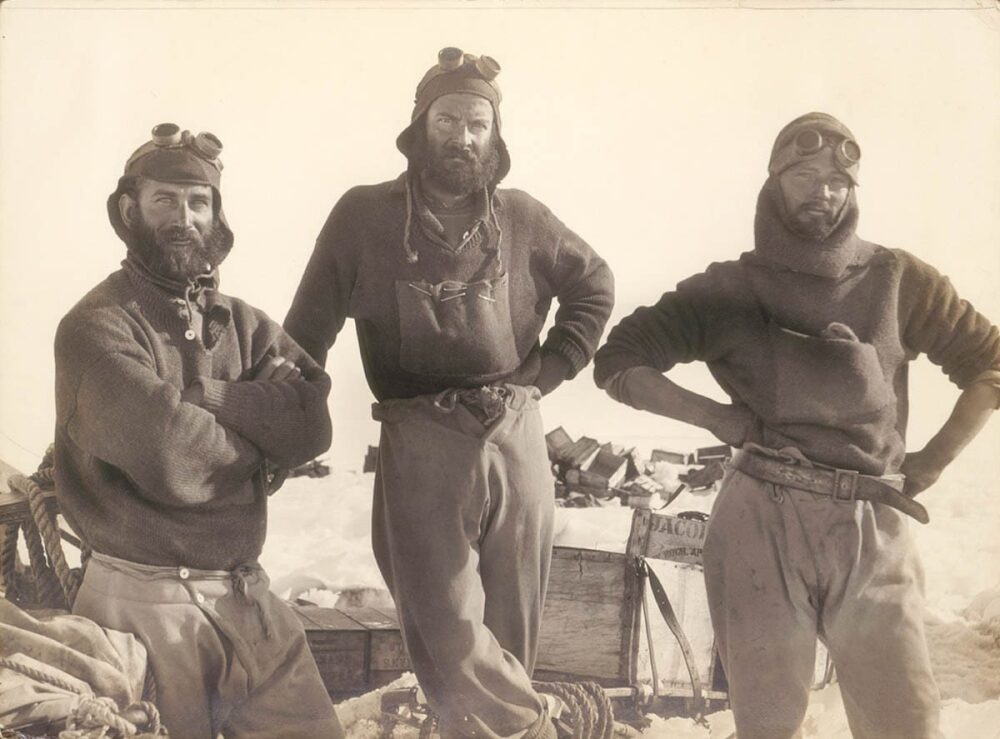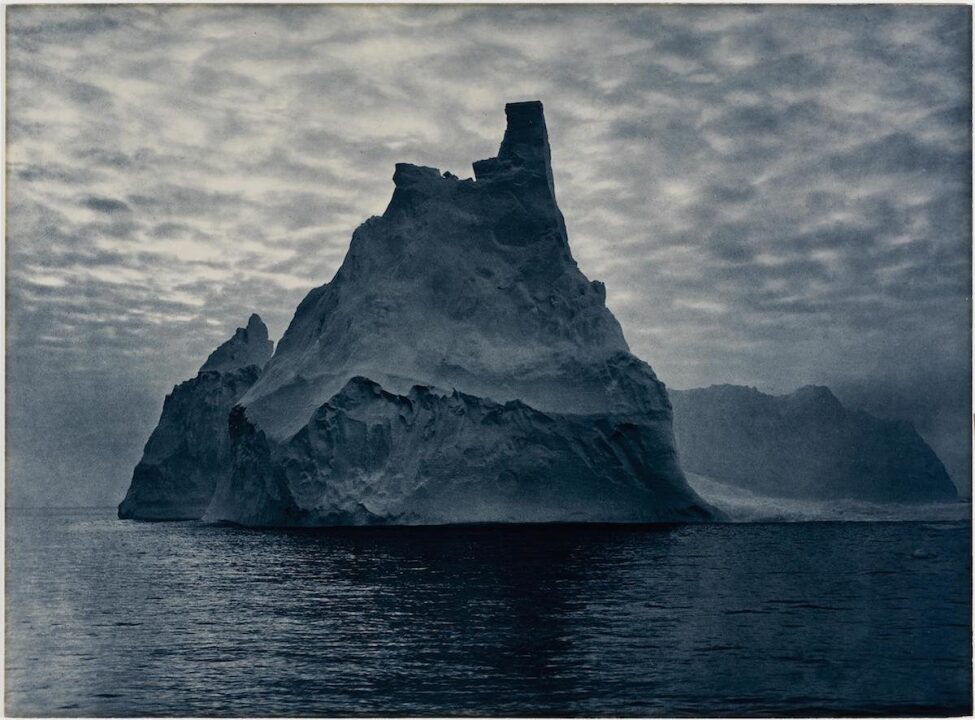
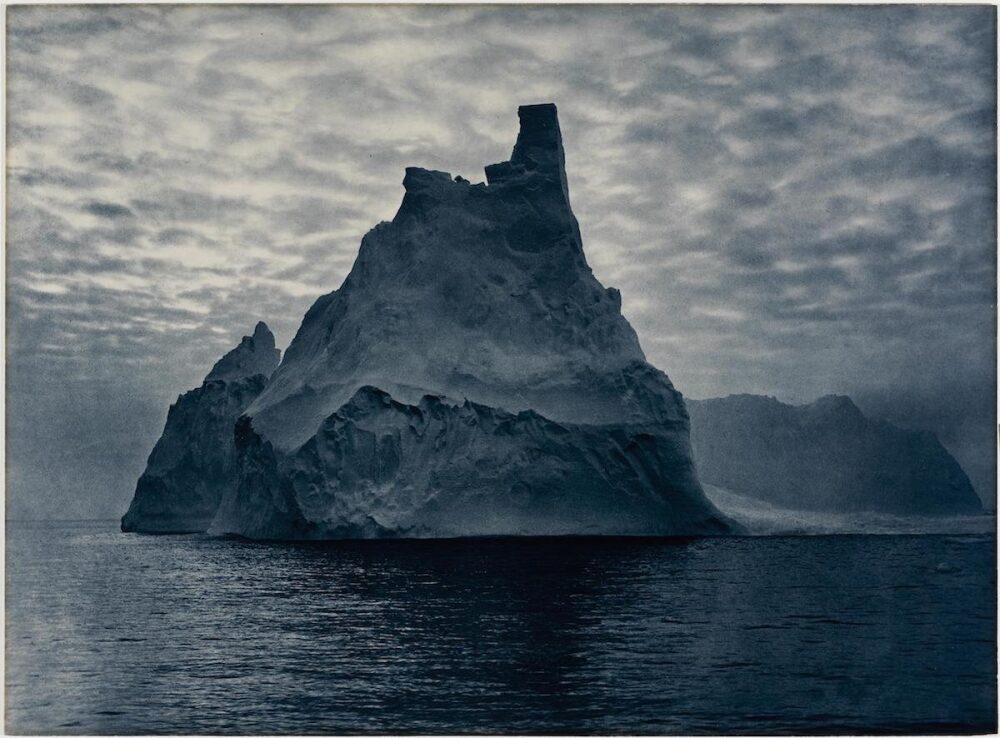
The Australasian Antarctic Expedition, led by geologist and explorer Douglas Mawson from 1911 to 1914, aimed to map and explore 3,200 kilometers of Antarctic coastline south of Australia. It achieved significant advances in geology, biology, and glaciology. Thanks to the spectacular work of official photographer Frank Hurley, who also documented Australian forces in both world wars, we can now enjoy a series of images that reveal the beauty and hostility of this remote continent.
When we say "hostility", we are definitely not exaggerating. One of the most critical moments happened in December 1912, when Mawson, Swiss explorer Xavier Mertz, and British lieutenant Belgrave Ninnis set out to explore what is now known as George V Land. Ninnis disappeared after falling into a crevasse. In the same incident they lost six dogs, the tent, and most of the rations. Almost without food and forced to return, Mawson and Mertz had to sacrifice the remaining dogs to survive, but eating their livers caused severe deterioration (including hypervitaminosis A), and Mertz died. After continuing for more than 30 days alone, Mawson managed to return to his base on February 8, 1913.
Gallery